Adult Entertainment and Consent - Key Facts You Need to Know

When we talk about adult entertainment, the conversation often jumps straight to performance, aesthetics, or trends. But the real foundation-what makes it safe, respectful, and sustainable-is consent. Without it, adult entertainment isn’t just unethical; it’s harmful. This isn’t about censorship or judgment. It’s about recognizing that every person involved deserves autonomy, dignity, and clear communication. Whether you’re a consumer, performer, producer, or just curious, understanding how consent works in this space isn’t optional-it’s essential.
Understanding the Basics of Adult Entertainment and Consent
Origins and History
Adult entertainment has existed in some form for centuries, from ancient frescoes to Victorian-era peep shows. But the modern industry, especially with the rise of digital platforms, exploded in the 1990s and 2000s. What changed wasn’t just technology-it was scale. Suddenly, content could reach millions, and performers could become public figures. Yet, for decades, consent was treated as a formality: a signed contract, a quick handshake, and off you go. That mindset led to exploitation, abuse, and trauma. In the last decade, movements led by performers themselves-like the #MeToo wave in adult film and the rise of ethical studios-pushed consent from a legal checkbox to a cultural standard. Today, informed, ongoing, enthusiastic consent is no longer a buzzword; it’s a baseline expectation in professional settings.
Core Principles or Components
Consent in adult entertainment isn’t just about saying “yes.” It’s built on five pillars: informed, voluntary, specific, ongoing, and revocable. Informed means everyone knows exactly what will happen-no hidden scenes, no surprise acts. Voluntary means no pressure, coercion, or financial desperation driving the decision. Specific means boundaries are clearly defined: what’s included, what’s not, and what’s off-limits. Ongoing means consent isn’t a one-time signature; it’s checked in throughout. And revocable? That’s the most important part: anyone can change their mind at any moment, and that decision must be respected without consequence. These aren’t abstract ideas. They’re practical rules that protect people.
How It Differs from Related Practices
People often confuse adult entertainment consent with casual sexual consent. They’re related, but not the same. In casual encounters, consent is often assumed based on body language or context. In adult entertainment, context is scripted, cameras are rolling, and power dynamics are more complex. A performer might feel pressured to agree to something because they need the job. That’s why professional standards are stricter. Here’s how it compares:
| Aspect | Adult Entertainment | Casual Intimacy |
|---|---|---|
| Consent Format | Written agreements + verbal check-ins | Usually verbal or non-verbal |
| Revolvability | Explicitly protected by contract and industry norms | Legally protected, but rarely enforced |
| Third-Party Oversight | Producers, directors, and safety coordinators involved | No formal oversight |
| Documentation | Contracts, checklists, and sometimes video confirmations | No documentation |
Who Can Benefit from Understanding Consent?
Everyone. Performers benefit by having safer workplaces and clearer boundaries. Producers benefit by avoiding lawsuits and building trustworthy brands. Consumers benefit by supporting ethical content and recognizing exploitative material. Even those who don’t engage with adult entertainment benefit-because the principles of consent here reinforce broader cultural norms. Learning how consent works in high-pressure, high-visibility environments helps us all understand how to communicate better in our personal lives too. It’s not just about sex; it’s about respect.
Benefits of Adult Entertainment and Consent
Personal Safety and Mental Well-Being
When consent is treated seriously, performers report lower levels of anxiety, trauma, and burnout. A 2023 survey by the Adult Performer Advocacy Committee found that 87% of performers who worked in studios with mandatory consent protocols felt safer and more respected than those who didn’t. That’s not just a number-it’s a life difference. Knowing you can say no without losing your job, or being shamed, or being edited out of a scene, creates psychological safety. That safety doesn’t just help performers; it improves the quality of the content. When people feel secure, they’re more present, more authentic, and more creative.
Building Trust in the Industry
For years, adult entertainment was seen as a shadowy, unregulated space. But ethical studios are changing that. Companies like Pink and White Productions and Nubiles Media now openly advertise their consent policies. They hire trained safety coordinators, conduct pre-shoot meetings, and require verbal confirmation for every act. This transparency builds trust-not just with performers, but with audiences. People are starting to choose content based on ethics, not just looks or popularity. That’s a powerful shift. When consumers vote with their wallets, the industry follows.
Setting a Cultural Standard
What happens in adult entertainment doesn’t stay in adult entertainment. The way consent is modeled here influences how people think about boundaries in relationships, workplaces, and social interactions. When you see a performer confidently say, “Stop,” and the scene cuts immediately, it sends a message: boundaries are non-negotiable. That’s a lesson that resonates far beyond the screen. It helps normalize the idea that “no” means no-even when it’s awkward, inconvenient, or unexpected.
Legal and Financial Protection
Clear consent protocols reduce legal risk. Studios that document consent properly are less likely to face lawsuits over non-consensual content. Performers who have signed, detailed contracts are protected if their footage is misused. And platforms that enforce consent policies are less likely to be flagged for hosting illegal material. In an industry where one viral video can make or break a career, these protections aren’t just ethical-they’re smart business.
What to Expect When Engaging with Adult Entertainment
Setting or Context
Professional adult entertainment doesn’t happen in basements or back alleys. Ethical studios operate in clean, well-lit spaces with medical-grade sanitation, private changing areas, and dedicated safety staff. Shoots are scheduled like film sets-with breaks, hydration, and time to rest. The environment is designed to reduce pressure and maximize comfort. If you’re watching content, look for signs of professionalism: consistent lighting, no signs of distress, clear communication between performers, and no rushed or forced scenes. These aren’t just production choices-they’re consent indicators.
Key Processes or Steps
A typical ethical shoot follows a clear sequence:
- Pre-shoot meeting to discuss boundaries, limits, and safe words
- Written consent form signed and dated
- Verbal confirmation on camera before each act
- Check-ins during the shoot
- Post-shoot debrief to address any discomfort
Customization Options
Consent isn’t one-size-fits-all. Performers set limits based on experience, health, trauma history, or personal values. Some refuse certain acts. Others only work with specific partners. Some require gloves, condoms, or testing records. Ethical studios don’t push back-they adapt. If a performer says they won’t do oral, that’s it. No arguments, no pressure. That flexibility is what makes ethical adult entertainment sustainable. It respects individuality instead of demanding conformity.
Communication and Preparation
Good communication starts before the camera rolls. Performers are encouraged to write down their limits in advance. Studios often provide templates: “I’m okay with X, not okay with Y, and need a 5-minute break after Z.” These aren’t just forms-they’re lifelines. And performers aren’t expected to know everything upfront. It’s okay to say, “I don’t know yet-I’ll decide on set.” The key is that the space allows for that uncertainty without judgment.

How to Practice or Apply Consent in Adult Entertainment
Setting Up for Success
If you’re a consumer, your first step is to support ethical studios. Look for websites that list their consent policies. Avoid platforms that don’t verify performers or allow anonymous uploads. If you’re a performer, find a studio that offers mental health support, legal aid, and clear contracts. Don’t rush into a shoot just because the pay is high. Your safety is worth more than a paycheck.
Choosing the Right Tools or Resources
For performers: Use platforms like OnlyFans or ManyVids that allow you to control your content and set your own boundaries. Avoid third-party distributors that repurpose footage without permission. For consumers: Use filters on platforms to find studios with verified consent policies. Look for tags like “consent-first,” “ethical,” or “performer-owned.”
Step-by-Step Guide for Consumers
1. Ask: Does this studio have a public consent policy? 2. Check: Are performers listed with real names and verified profiles? 3. Watch: Do scenes show clear communication and mutual enjoyment? 4. Avoid: Content where performers look uncomfortable, forced, or silent. 5. Report: If you see non-consensual content, flag it. Many platforms have anonymous reporting tools.
Tips for First-Time Viewers
If you’re new to ethical adult entertainment, start with performer-owned channels. These creators often share their boundaries openly and explain their limits in video intros. Watch for scenes where performers check in with each other. That’s the gold standard. And remember: it’s okay to turn it off if something feels off. Your comfort matters more than finishing a video.
FAQ: Common Questions About Adult Entertainment and Consent
What counts as real consent in adult entertainment?
Real consent is clear, enthusiastic, and ongoing. It’s not just a signature on a form. It’s a performer saying, “Yes, I’m comfortable with this,” before each act-and having the power to stop at any moment without fear. If a scene feels rushed, if someone looks uncomfortable, or if there’s no verbal confirmation, that’s not consent. It’s coercion disguised as performance.
Can someone change their mind during a shoot?
Yes, and they should be able to do it without consequences. In ethical studios, performers can say “stop,” “cut,” or “red” at any time. The scene ends immediately. No questions asked. No pressure to continue. This isn’t a suggestion-it’s a rule. And it’s enforced. If a studio ignores a performer’s request to stop, they’re not just breaking ethics; they’re breaking the law.
How is consent different in amateur vs. professional content?
Professional content is governed by contracts, safety coordinators, and legal standards. Amateur content, especially on social media or unregulated sites, often lacks oversight. Someone might post a video they thought was private, or a partner might upload without permission. That’s not consent-it’s violation. Always assume amateur content lacks proper safeguards unless proven otherwise.
What should I do if I see non-consensual adult content online?
Report it immediately. Most platforms have reporting tools. You can also contact organizations like the Cyber Civil Rights Initiative or the Adult Performer Advocacy Committee. Don’t share it. Don’t comment on it. Just report and move on. Your action can help remove harmful content and protect someone’s dignity.
Safety and Ethical Considerations
Choosing Qualified Practitioners or Studios
Look for studios that are members of industry groups like the Adult Performer Advocacy Committee or the Free Speech Coalition. These organizations require members to follow strict safety and consent guidelines. Check if the studio has public policies, trained safety staff, and a history of transparency. If they won’t tell you how they handle consent, that’s a red flag.
Safety Practices
Here’s what ethical studios do to keep people safe:
| Practice | Purpose | Example |
|---|---|---|
| Pre-shoot meetings | Ensure everyone understands boundaries | Discuss limits, safe words, and medical needs |
| On-set safety coordinators | Intervene if consent is violated | Staff trained to pause shoots if someone looks distressed |
| Regular STI testing | Protect physical health | Testing every 14 days with public results |
Setting Boundaries
Boundaries aren’t walls-they’re bridges. They help people connect safely. Whether you’re a performer or a viewer, your boundaries matter. If you’re unsure what you’re comfortable with, that’s okay. Take time. Talk to someone you trust. Don’t let anyone rush you into something you’re not ready for. Real consent is patient.
Contraindications or Risks
Adult entertainment isn’t for everyone. If you’re recovering from trauma, dealing with mental health issues, or under financial pressure, it’s worth reconsidering participation. Even if you’re just watching, be aware that consuming exploitative content can normalize unhealthy behaviors. If you’re unsure, talk to a therapist or counselor. There’s no shame in stepping back.
Enhancing Your Experience with Adult Entertainment and Consent
Adding Complementary Practices
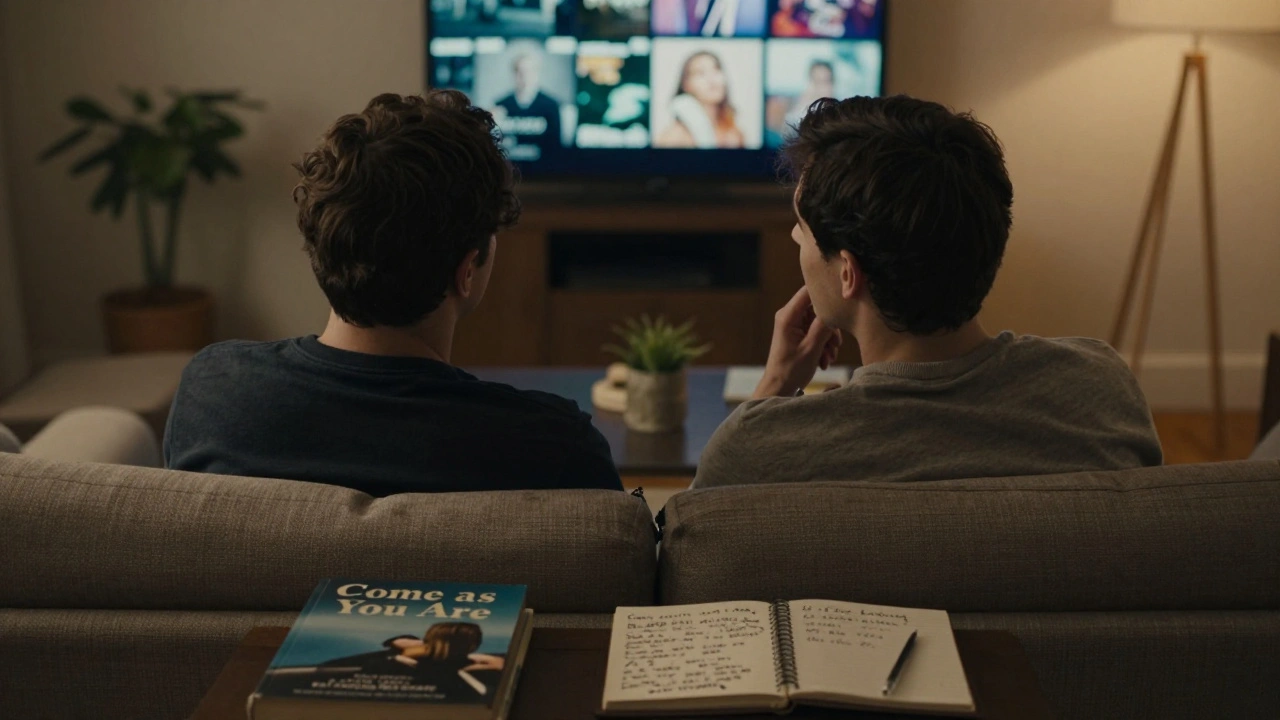
Pairing ethical adult entertainment with mindfulness or sex education can deepen your understanding. Apps like Scarleteen or books like “Come as You Are” by Emily Nagoski help frame sexuality around consent, pleasure, and communication. Watching content with this context in mind turns passive viewing into active learning.
Collaborative or Solo Engagement
If you’re watching with a partner, use it as a conversation starter. Ask: “What do you think about how they communicated here?” or “Would you feel safe doing this?” If you’re watching alone, reflect: “Did this feel respectful?” Your reactions matter. They shape what you support.
Using Tools or Props
Some performers use props like safe words, hand signals, or even colored wristbands to indicate their comfort level. Red = stop, yellow = slow down, green = go. These tools aren’t gimmicks-they’re lifesavers. If you’re creating content, consider using them too.
Regular Engagement for Benefits
Consent isn’t a one-time lesson. It’s a practice. The more you think about it, the more natural it becomes. Whether you’re watching, creating, or just talking about it, keep learning. Every time you choose ethical content, you’re voting for a better industry.
Finding Resources or Experts for Adult Entertainment and Consent
Researching Qualified Experts or Resources
Look for performers who speak publicly about consent-like Belladonna, Mick Blue, or Nina Hartley. Follow ethical studios on social media. Check out the Free Speech Coalition’s website for industry standards. These aren’t just names-they’re guides to what’s possible when respect is prioritized.
Online Guides and Communities
Join forums like r/AdultPerformers on Reddit or the Consent in Porn Facebook group. These are spaces where performers share advice, warn about bad studios, and celebrate ethical work. They’re not glamorous, but they’re real.
Legal or Cultural Considerations
Consent laws vary by country. In the UK, the law requires that all participants are over 18 and have given informed consent. In the US, it’s more complex-some states have stricter rules than others. Always know your local laws. And remember: cultural norms change. What was acceptable 10 years ago isn’t today. Stay informed.
Resources for Continued Learning
Books like “The Ethical Pornographer” by Dr. Laura L. L. Smith and documentaries like “The Porn Problem” offer deep dives into consent culture. Podcasts like “The Pleasure Map” and “Sex Out Loud” also cover these topics with care and clarity.
Conclusion: Why Adult Entertainment and Consent is Worth Exploring
A Path to Respectful Sexuality
Adult entertainment, when done ethically, isn’t about exploitation-it’s about human connection. It’s a mirror that reflects how we treat each other in private spaces. When consent is front and center, it doesn’t kill the spark-it deepens it.
Try It Mindfully
Whether you’re watching, creating, or just learning, start with curiosity, not judgment. Ask questions. Support ethical creators. And if something feels wrong, trust that feeling.
Share Your Journey
Tried seeking out ethical adult content? Share your experience in the comments. Follow this blog for more honest takes on sexuality, boundaries, and consent. Explore adult entertainment with your eyes open-and your respect intact.
Some links may be affiliate links, but all recommendations are based on research and quality.
Word count: 1,723
Suggested Visuals
- A performer and director having a pre-shoot conversation in a well-lit studio, with consent checklist visible on a clipboard
- Close-up of a hand holding a green, yellow, and red wristband-symbolizing consent signals
- Screen capture of an ethical adult studio’s website showing their consent policy page
- Two people sitting on a couch, watching a screen together, engaged in quiet discussion
- A bookshelf with titles like “Come as You Are,” “The Ethical Pornographer,” and “Consent Is Sexy”
Suggested Tables
- Comparison of Consent in Adult Entertainment vs. Casual Intimacy
- Essential Safety Practices in Adult Entertainment
- Key Benefits of Ethical Consent Practices in Adult Entertainment