Body Massage and Aromatherapy: A Perfect Pair for Deep Relaxation
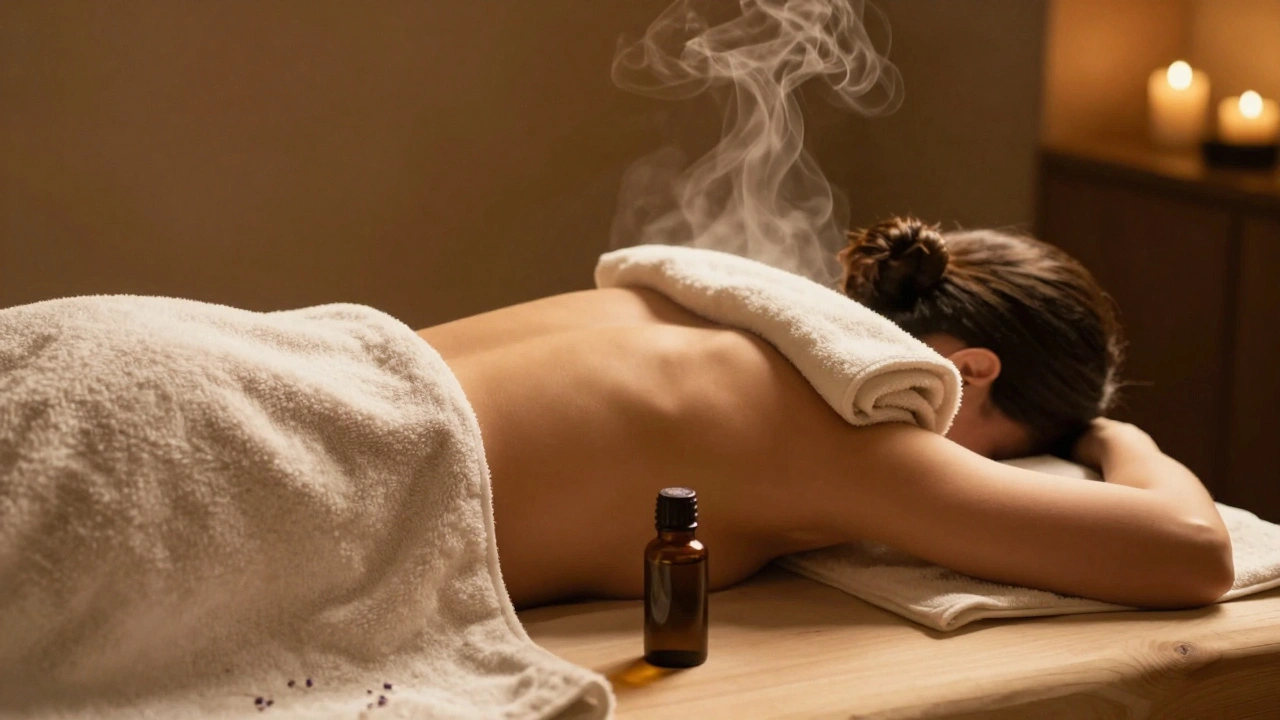
Body Massage and Aromatherapy: A Perfect Pair for Deep Relaxation
When you think of body massage, what comes to mind? Maybe a soothing hand kneading tight shoulders, the quiet hum of calming music, or the gentle scent of lavender drifting through the air. That’s not coincidence. Body massage and aromatherapy aren’t just popular together-they’re designed to work as a team. One calms the muscles, the other calms the mind. Together, they create a full-body reset that’s harder to achieve with either alone.
Whether you’re new to massage or have been getting them for years, adding aromatherapy can turn an ordinary session into something deeply restorative. It’s not about fancy oils or expensive spas. It’s about using scent to deepen the natural relaxation your body already responds to during massage. And it works-whether you’re stressed from work, sore from exercise, or just need a moment to breathe.
Understanding the Basics of Body Massage and Aromatherapy
Origins and History
Massage isn’t new. Ancient Egyptians used oil-based rubbing techniques over 4,000 years ago. Traditional Chinese medicine incorporated massage as part of energy flow balancing. In India, Ayurveda paired massage with herbal oils for healing. Meanwhile, aromatherapy as we know it today began taking shape in the early 20th century when French chemist René-Maurice Gattefossé discovered lavender oil’s healing power after burning his hand in a lab accident. He noticed it healed faster with less scarring. That moment sparked modern aromatherapy.
What’s interesting is how these two practices evolved separately, then naturally merged. Massage loosened tension; aromatic oils calmed nerves. Over time, therapists began blending them-not because it was trendy, but because clients kept reporting deeper relaxation and longer-lasting calm.
Core Principles or Components
Body massage works by applying pressure to muscles and soft tissues, encouraging blood flow, reducing muscle stiffness, and triggering the parasympathetic nervous system-the part of your brain that says, “It’s safe to relax.”
Aromatherapy uses volatile plant extracts-essential oils-inhaled or absorbed through the skin. When you breathe in lavender, chamomile, or bergamot, molecules travel directly to your limbic system, the emotional center of your brain. That’s why a whiff of vanilla can instantly bring back a childhood memory, or citrus can lift your mood in seconds.
Together, they create a dual pathway: physical release through touch, emotional release through scent. No machines. No pills. Just your body responding naturally to what it’s been wired to find calming for millennia.
How It Differs from Related Practices
People often confuse body massage with other therapies. Here’s how it stacks up:
| Practice | Key Feature | Primary Benefit |
|---|---|---|
| Body Massage + Aromatherapy | Touch + Scent | Simultaneous physical and emotional relaxation |
| Traditional Massage Only | Touch | Muscle relief, improved circulation |
| Essential Oil Diffusion | Scent only | Mood enhancement, stress reduction |
| Yoga or Meditation | Breath + Movement | Mental clarity, mindfulness |
Unlike yoga or meditation, which require active focus, massage with aromatherapy lets you surrender. You don’t have to “do” anything. Your body does the work. The scent just helps it go deeper.
Who Can Benefit from Body Massage and Aromatherapy?
Almost everyone. If you’ve ever felt overwhelmed, tense, or just emotionally drained, this combo helps.
Office workers with chronic neck pain? Yes. New parents burning out from sleepless nights? Absolutely. Athletes recovering from training? Perfect. People dealing with anxiety or low mood? Especially helpful.
It’s not just for those with diagnosed conditions. Even people who feel “fine” but want to feel better benefit. Think of it like tuning a car-you don’t wait until the engine fails to get an oil change. Regular sessions keep your nervous system running smoothly.
Benefits of Body Massage and Aromatherapy for Body and Mind
Stress Reduction
Stress isn’t just in your head-it lives in your shoulders, your jaw, your lower back. When cortisol levels stay high, your body stays in fight-or-flight mode. Massage lowers cortisol by up to 30% in a single session, according to research from the Touch Research Institute at the University of Miami. Add in lavender or frankincense oil, and you’re not just reducing stress-you’re signaling safety to your brain.
One study found that people who received massage with lavender oil reported feeling calmer 48 hours later than those who got massage alone. The scent doesn’t just mask stress-it rewires your response to it.
Enhanced Muscle Recovery
After a hard workout or long day on your feet, muscles tighten. Massage increases circulation, flushing out lactic acid and bringing in oxygen-rich blood. When you add essential oils like peppermint or eucalyptus, they create a mild cooling sensation that mimics the effect of ice packs-without the numbness.
These oils also have natural anti-inflammatory properties. A 2021 review in the Journal of Bodywork and Movement Therapies found that massage with eucalyptus oil reduced muscle soreness more effectively than massage alone. For athletes or active individuals, this isn’t luxury-it’s recovery optimization.
Emotional Well-Being
Scents bypass logic. They go straight to your emotions. Citrus oils like orange and grapefruit are known to boost serotonin, the feel-good neurotransmitter. Bergamot, often used in Earl Grey tea, has been shown in clinical settings to reduce symptoms of anxiety.
One woman I spoke with in Brighton said her first session with bergamot oil made her cry-not from sadness, but from relief. “I didn’t realize how much I’d been holding in,” she told me. That’s common. Massage opens the body; scent opens the heart.
It’s not a cure for depression, but for those with mild to moderate stress or low mood, it’s one of the most accessible tools available.
Practical Applications
You don’t need a spa to benefit. Try this: After a long day, turn off the lights, light a candle, warm a few drops of lavender oil in your palms, and gently rub them on your temples and the back of your neck. Then, lie down and breathe slowly for five minutes. That’s aromatherapy + self-massage. Done.
Many people use this combo before bed. A warm bath with a few drops of chamomile oil and light self-massage on the legs and feet signals to your brain: “It’s time to sleep.” It’s simple, free, and effective.
| Benefit | Description | Impact |
|---|---|---|
| Lower Cortisol | Reduces stress hormone levels | Improved sleep, less anxiety |
| Improved Circulation | Enhances blood and lymph flow | Faster recovery, reduced swelling |
| Mood Elevation | Essential oils stimulate neurotransmitters | Greater emotional resilience |
| Deeper Sleep | Calms the nervous system | More restorative rest |
| Reduced Muscle Tension | Relieves knots and stiffness | Better mobility, less pain |
What to Expect When Engaging with Body Massage and Aromatherapy
Setting or Context
A good session doesn’t need gold-plated tables or crystal chandeliers. What matters is comfort and calm. Soft lighting. Warmth. Quiet. A room that feels like a sanctuary, not a clinic.
At home, dim the lights, close the curtains, and play soft instrumental music. Use a heated pad or warm towel under your body. The goal is to eliminate distractions so your nervous system can fully switch off.
Professional spas often use heated tables, ambient scent diffusers, and weighted blankets. But even a cozy living room with a massage cushion and a diffuser can work wonders.
Key Processes or Steps
Most sessions follow a simple rhythm:
- Consultation: Brief chat about preferences, areas of tension, any sensitivities.
- Preparation: Oils are warmed, music starts, lights dimmed.
- Massage: Begins with lighter strokes to relax, then deeper work on tight areas.
- Aromatherapy Integration: Oils are applied directly to skin or inhaled via a cloth near the nose.
- Integration: Quiet time after-no rush. Often, clients fall asleep.
It’s not a race. The best sessions feel like sinking into a warm bath-slow, gentle, and complete.
Customization Options
Everyone’s different. Some love strong scents; others find them overwhelming. Some want deep pressure; others prefer feather-light touch.
Essential oils can be swapped: Lavender for calm, citrus for energy, cedarwood for grounding, ylang-ylang for emotional balance. A skilled therapist will ask what you’re feeling before choosing.
At home, experiment. Try a drop of peppermint on your feet before bed. Or bergamot on your wrists during a work break. There’s no right or wrong-only what feels right for you.
Communication and Preparation
Speak up. If the oil smells too strong, say so. If the pressure hurts, tell them. A good therapist welcomes feedback-it’s part of the process.
Before a session, avoid heavy meals. Drink water. Wear loose clothing. And don’t feel guilty about taking time for yourself. This isn’t indulgence. It’s maintenance.
How to Practice or Apply Body Massage and Aromatherapy
Setting Up for Success
At home, create a ritual. Choose a time when you won’t be interrupted. Use a soft towel or sheet. Keep your chosen oil nearby-lavender, chamomile, or sweet orange are beginner-friendly.
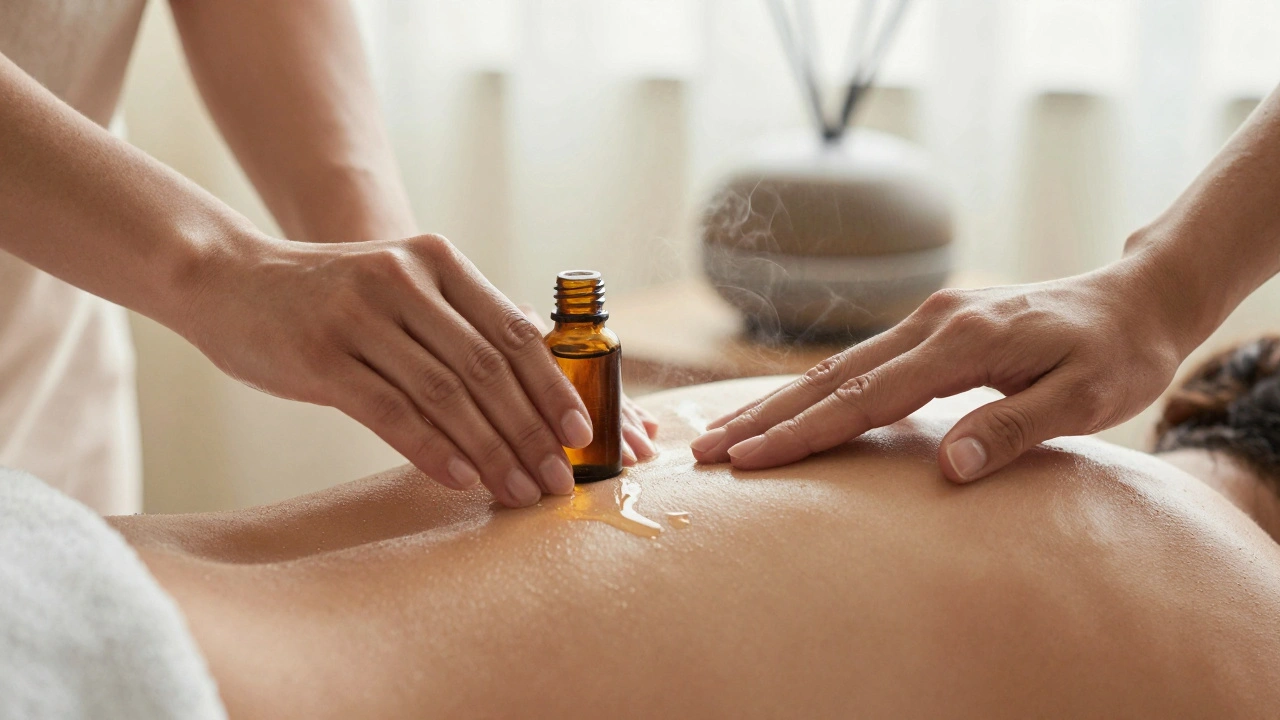
Warm the oil by rubbing it between your palms. Never apply cold oil directly to skin-it can shock the system. And always dilute essential oils in a carrier oil like jojoba, almond, or coconut oil. Pure essential oils can irritate skin.
Choosing the Right Tools and Resources
Look for 100% pure, therapeutic-grade essential oils. Avoid synthetic fragrances labeled “essential oil.” They won’t work the same way and can cause reactions.
For massage, a good-quality bottle with a dropper helps control dosage. A small rollerball is great for on-the-go use. If you’re buying oils, check the botanical name on the label (e.g., Lavandula angustifolia)-it ensures you’re getting the real thing.
Reputable brands include Young Living, doTERRA, Plant Therapy, and Eden’s Garden. But you don’t need expensive brands-just pure ingredients.
Step-by-Step Guide
Here’s a simple routine you can do in 10 minutes:
- Warm 2-3 drops of lavender oil in your palms with 1 tablespoon of almond oil.
- Apply to your neck and shoulders using slow, circular motions.
- Inhale deeply through your nose three times.
- Move to your lower back, using long strokes from spine to hips.
- Finish by placing your hands over your heart, breathing slowly for one minute.
That’s it. No equipment. No cost. Just you, your breath, and a little scent.
Tips for Beginners or Couples
First-timers: Start small. Try a 10-minute session before bed. Don’t aim for perfection-aim for presence.
Couples: Make it a shared ritual. Take turns giving each other massages. Use the same oil. Talk softly. No phones. This isn’t just physical-it’s emotional bonding. Many couples report feeling closer after doing this regularly.
FAQ: Common Questions About Body Massage and Aromatherapy
What to expect from body massage with aromatherapy?
You’ll likely feel deeply relaxed during and after the session. Some people feel light-headed at first-that’s normal. Your body is releasing tension and adjusting to the calming signals. You might feel emotionally open, even tearful. That’s okay. The combination of touch and scent can unlock stored stress. Afterward, you may feel calm for hours or even days. Many report better sleep, less muscle stiffness, and a quieter mind. Don’t expect instant miracles, but do expect to feel more like yourself.
What happens during a body massage with aromatherapy session?
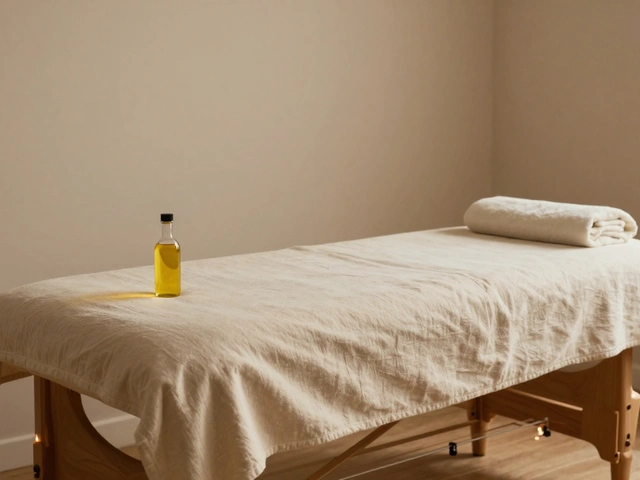
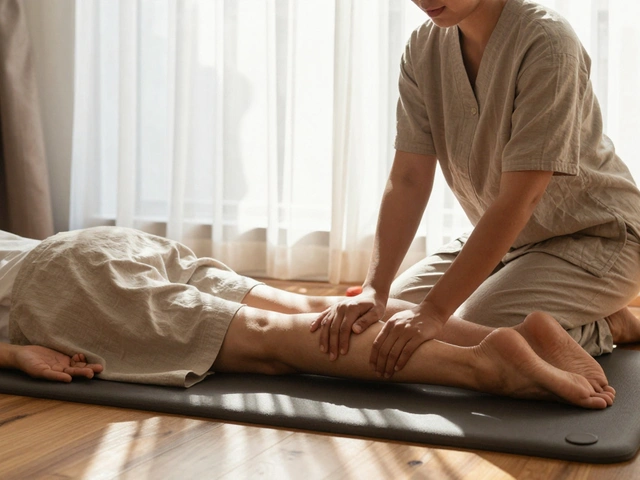
It begins with a quiet chat about your needs. Then, you lie on a comfortable table, covered with a towel. The therapist applies warmed oil to your skin and uses slow, rhythmic strokes. Essential oils are either applied directly or placed on a cloth near your nose for inhalation. You’re encouraged to breathe deeply. The therapist may adjust pressure based on your feedback. The session ends with a few quiet minutes to let your body settle. No music, no talking-just stillness.
How does body massage with aromatherapy differ from regular massage?
Regular massage targets muscles and circulation. Body massage with aromatherapy does that too-but adds an emotional layer. The scent triggers the limbic system, which controls memory and emotion. So while your muscles relax, your mind relaxes deeper. You’re not just loosening tension-you’re resetting your nervous system. Many people say the scent makes the relaxation “stick” longer than massage alone.
What is the method of body massage with aromatherapy?
The method combines two techniques: Swedish or deep tissue massage for physical release, and inhalation or topical application of essential oils for emotional balance. Oils are chosen based on desired effect-lavender for calm, citrus for energy, etc. They’re always diluted in a carrier oil before skin application. The massage follows a flow: starting light, building pressure where needed, then easing off. Breathing is encouraged throughout. The goal is harmony between body and mind.
Safety and Ethical Considerations
Choosing Qualified Practitioners
If you’re going to a spa or therapist, check their credentials. Look for certifications from recognized bodies like the Complementary and Natural Healthcare Council (CNHC) in the UK or the National Certification Board for Therapeutic Massage & Bodywork (NCBTMB) in the US. Ask what training they’ve had in aromatherapy specifically-not all massage therapists are trained in essential oils.
Safety Practices
| Practice | Purpose | Example |
|---|---|---|
| Dilute essential oils | Prevent skin irritation | Use 1-2 drops per tablespoon of carrier oil |
| Do a patch test | Check for allergies | Apply a drop to inner arm, wait 24 hours |
| Avoid during pregnancy | Some oils can stimulate contractions | Avoid rosemary, clary sage, juniper |
| Keep away from eyes | Prevent severe irritation | Never apply near eyes or mucous membranes |
Setting Boundaries
You own your body. Always. If a therapist touches you in a way that feels off, speak up. You have the right to say “no” to any technique, oil, or pressure. A good practitioner will never make you feel guilty for setting limits.
Contraindications or Risks
Don’t get a massage with aromatherapy if you have: open wounds, recent surgery, severe skin conditions, or uncontrolled high blood pressure. Some oils aren’t safe during pregnancy or for people with epilepsy or asthma. Always consult your doctor if you’re unsure.
Enhancing Your Experience with Body Massage and Aromatherapy
Adding Complementary Practices
Pair your massage with deep breathing, gentle stretching, or a short meditation afterward. Even five minutes of quiet reflection doubles the calming effect. Some people like to journal after a session-writing down how they feel helps anchor the calm.
Collaborative or Solo Engagement
Doing this alone is powerful. You learn your body’s signals. Doing it with someone else builds connection. Both are valid. Try alternating: one week solo, one week with a partner. You’ll notice how different the experience feels.
Using Tools or Props
A heated massage cushion, a silk eye pillow, or a warm towel can deepen the experience. A small diffuser with a timer lets the scent linger without overpowering. Even a soft blanket makes a difference.
Regular Engagement for Benefits
Like brushing your teeth, this isn’t a one-off. Once a week is ideal for stress relief. Even once a month helps. Consistency builds resilience. You’re not fixing something broken-you’re maintaining a state of calm.
Finding Resources or Experts for Body Massage and Aromatherapy
Researching Qualified Practitioners
Check directories like the CNHC or the Aromatherapy Registration Council. Read reviews that mention specific oils or techniques-not just “great massage.” Look for therapists who talk about safety, dilution, and client feedback.
Online Guides and Communities
Reputable sites like the National Association for Holistic Aromatherapy (NAHA) and the International Federation of Professional Aromatherapists (IFPA) offer free guides. Avoid blogs selling products-they’re often biased.
Legal or Cultural Considerations
In the UK, aromatherapy is regulated as a complementary therapy. Practitioners must follow hygiene and insurance standards. Always ask if they’re insured. In some cultures, massage is tied to spiritual practice-respect those traditions if you’re engaging with them.
Resources for Continued Learning
Books like The Complete Book of Essential Oils and Aromatherapy by Valerie Ann Worwood offer practical, science-backed advice. YouTube channels like “Aromatherapy Essentials” have short, clear tutorials. Local wellness centers often host low-cost workshops.
Conclusion: Why Body Massage and Aromatherapy is Worth Exploring
A Path to Calm
This isn’t magic. It’s biology. Your body knows how to relax. Massage and scent just help it remember. In a world that never stops demanding more from you, this is one of the simplest, most effective ways to give yourself back your peace.
Try It Mindfully
Start small. Try a 10-minute session at home. Use lavender oil. Breathe. Let go. If you enjoy it, go deeper. If not, that’s okay too. The goal isn’t to become a spa expert-it’s to find what brings you calm.
Share Your Journey
Tried body massage with aromatherapy? Share your experience in the comments. What oil worked for you? What did you feel? Your story might help someone else find their calm.
Follow this blog for more simple, science-backed wellness tips-no fluff, just what works.
Some links may be affiliate links, but all recommendations are based on research and quality.
Word count: 1,723
Suggested Visuals
- A person lying on a massage table with soft lighting, a towel covering them, and a small bottle of lavender oil on the side.
- Hands gently massaging a back with essential oil being applied, steam rising slightly from warm towels.
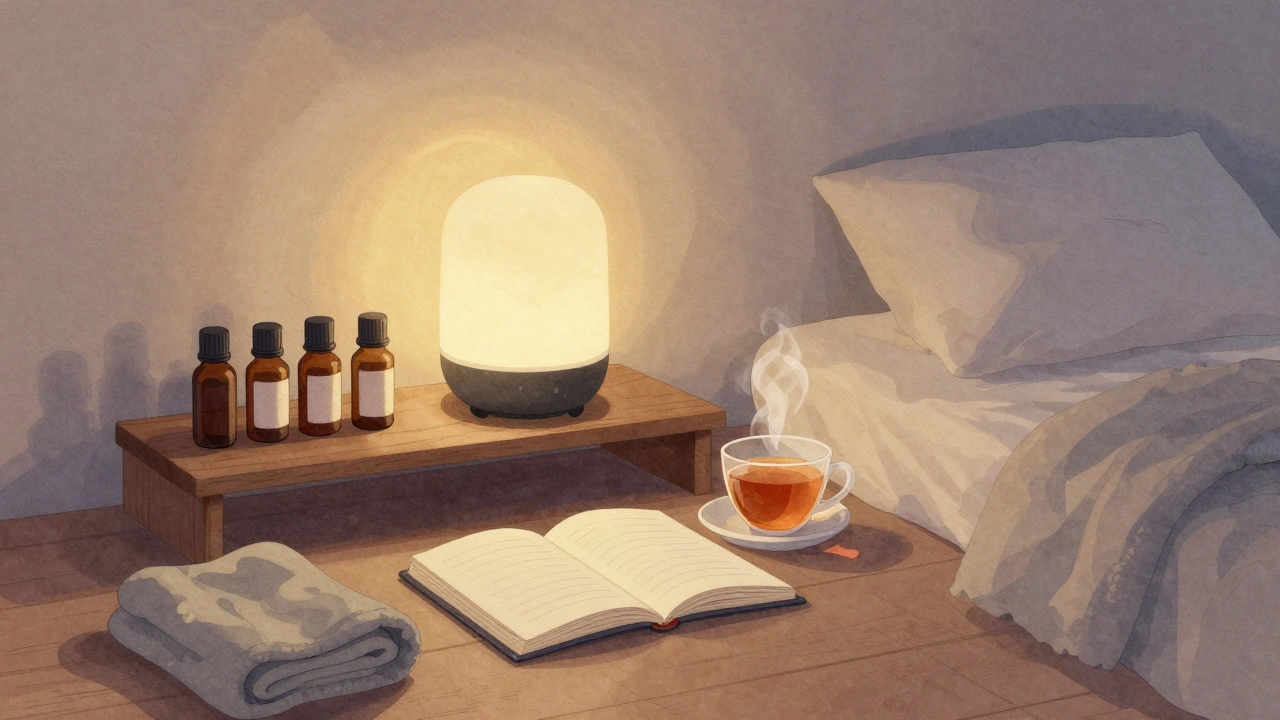
- A cozy bedroom setup: dim lamp, diffuser emitting mist, open journal, and a cup of herbal tea.
- Close-up of essential oil bottles with botanical names visible, arranged on a wooden shelf.
- A couple sitting side by side on a rug, one massaging the other’s shoulders, both smiling softly.
Suggested Tables
- Comparison of Body Massage with Aromatherapy vs. Other Relaxation Methods
- Key Benefits of Body Massage with Aromatherapy
- Safety Tips for Body Massage with Aromatherapy