How to Prepare for Your First Tantra Massage Experience
How to Prepare for Your First Tantra Massage Experience
When you hear the words tantra massage, you might picture something mysterious, exotic, or even intimidating. But tantra massage isn’t about sex-it’s about presence. It’s about slow touch, deep breathing, and reconnecting with your body in a way that feels safe, sacred, and surprisingly grounding. If you’ve never tried it before, it’s completely normal to feel unsure. What should you wear? What will happen? Is this for people like me? This guide cuts through the noise and gives you a clear, practical roadmap to walk into your first session feeling calm, informed, and ready.
Understanding the Basics of Tantra Massage
Origins and History
Tantra comes from ancient Indian spiritual traditions, dating back over 5,000 years. Originally, it was a path to enlightenment through the integration of body, mind, and spirit-not separation. Over centuries, certain practices evolved into sensual rituals focused on energy flow, breath, and mindful touch. Modern tantra massage, as offered in wellness centers today, draws from these roots but removes religious dogma. It’s now a secular practice centered on presence, consent, and sensory awareness. Think of it as a meditation with touch, not a sexual service.
Core Principles or Components
Tantra massage isn’t about technique alone-it’s about intention. Five key principles guide every session: presence (being fully here, not distracted), breath (synchronizing with your own and the practitioner’s), consent (ongoing, verbal, and non-verbal), energy (focusing on flow, not pressure), and non-goal orientation (no expectation of orgasm or sexual release). The touch is slow, deliberate, and often includes long strokes, gentle pressure on energy points (like the chakras), and warm oil. The goal isn’t arousal-it’s awakening awareness.
How It Differs from Related Practices
People often confuse tantra massage with sensual or erotic massage. Here’s how they’re different:
| Practice | Key Feature | Primary Benefit |
|---|---|---|
| Tantra Massage | Slow, mindful touch with breath awareness | Deep emotional release and body connection |
| Sensual Massage | Focus on arousal and pleasure | Physical relaxation and stimulation |
| Swedish Massage | Structured strokes for muscle relief | Physical tension reduction |
| Erotic Massage | Sexual intent and stimulation | Sexual satisfaction |
Who Can Benefit from Tantra Massage?
Tantra massage isn’t for everyone-but it’s for more people than you might think. It’s ideal for anyone feeling disconnected from their body, stuck in stress, or emotionally numb. People recovering from trauma, those with low libido, or individuals seeking deeper intimacy-even solo-often find it transformative. You don’t need to be spiritual, flexible, or experienced. You just need to be open to slowing down. Many clients are in their 30s to 50s, but younger and older adults report equally powerful experiences. If you’ve ever thought, ‘I wish I could just feel more in my body,’ this might be your next step.
Benefits of Tantra Massage for Body and Mind
Stress Reduction
Tantra massage activates the parasympathetic nervous system-the part of your body that says, ‘It’s safe to relax.’ The slow, rhythmic touch combined with focused breathing lowers cortisol levels and slows your heart rate. Many people leave sessions feeling lighter, as if a heavy coat they didn’t realize they were wearing has been taken off. Research suggests mindful touch practices like this can reduce anxiety symptoms as effectively as some forms of therapy Web source (https://www.ncbi.nlm.nih.gov/pmc/articles/PMC5534848/). You won’t just feel relaxed-you’ll remember what relaxation feels like.
Enhanced Body Awareness
Most of us live in our heads. We check emails, scroll feeds, plan meals-rarely do we notice the warmth of our own skin or the rhythm of our breath. Tantra massage gently pulls you back into your body. You’ll start noticing sensations you’ve ignored: the tingling in your fingertips, the softness of your belly, the way your shoulders drop when you exhale. This isn’t just relaxing-it’s rewiring your relationship with your physical self.
Emotional Well-Being
Tantra massage doesn’t just touch your skin-it can unlock emotions you’ve buried. It’s common to cry, laugh, or feel a sudden surge of nostalgia during a session. These aren’t signs something’s wrong-they’re signs your body is releasing stored tension. People often report feeling more emotionally available afterward, with improved communication in relationships and a deeper sense of self-compassion. It’s not therapy, but it often feels like emotional clearing.
Practical Applications
The benefits don’t stay in the massage room. Many clients start noticing changes in daily life: sleeping better, feeling less reactive in arguments, enjoying simple things like a warm shower or a hug more fully. You might find yourself breathing deeper while waiting in line or pausing to feel your feet on the ground before rushing out the door. These small moments add up to a quieter, more grounded life.
| Benefit | Description | Impact |
|---|---|---|
| Stress Reduction | Slows nervous system response through breath and touch | Lower anxiety, better sleep |
| Body Awareness | Reconnects you with physical sensations | Improved posture, less tension |
| Emotional Release | Unlocks stored feelings through safe touch | Greater self-acceptance |
| Presence | Trains your mind to stay in the moment | More mindful interactions |
What to Expect When Engaging with Tantra Massage
Setting or Context
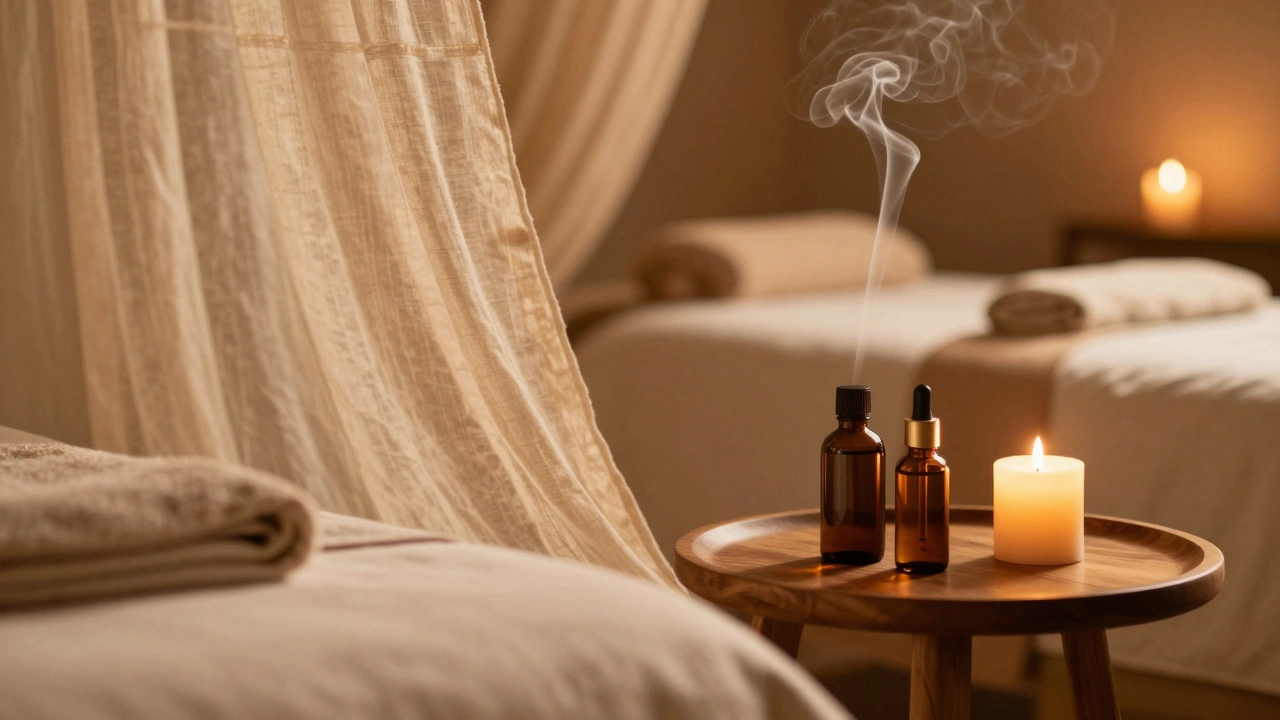
A professional tantra massage session takes place in a quiet, warm room with soft lighting-think candles, calming music, and clean linens. No nudity is required unless you choose it, and most practitioners offer draping (blankets covering you except the area being worked on). The space feels more like a sanctuary than a clinic. You’ll be offered water, and the practitioner will likely begin with a short chat to understand your goals and boundaries. There’s no pressure. No rush. Just space.
Key Processes or Steps
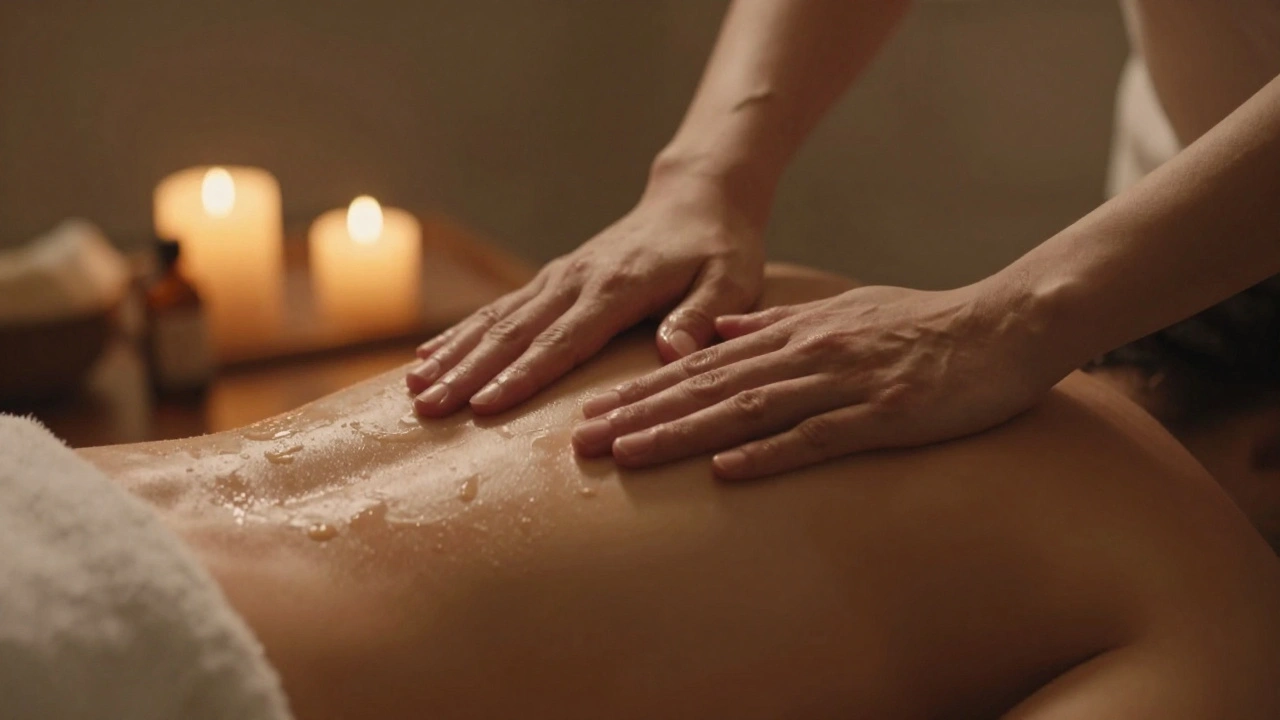
A typical session lasts 60-90 minutes. It starts with breathwork-maybe you’ll be asked to close your eyes and take three slow breaths together. Then, the practitioner begins with gentle strokes on your back, arms, or legs, using warm oil. The touch is never rushed. They might pause to check in: ‘How does this feel?’ or ‘Would you like more pressure?’ As the session progresses, touch may extend to sensitive areas like the belly, inner thighs, or genital region-but only if you’ve given clear consent. The focus remains on sensation, not stimulation. The goal is to help you feel, not to make you react.
Customization Options
Tantra massage is highly adaptable. If you’re uncomfortable with certain areas, say so. If you prefer no oil, or want music turned off, or need breaks-just ask. Some practitioners offer sessions focused only on the back and shoulders. Others incorporate sound healing, guided visualization, or chakra balancing. There’s no one-size-fits-all. Your comfort is the priority.
Communication and Preparation
Before your session, you’ll usually fill out a brief intake form. Be honest about injuries, emotional triggers, or past trauma. During the session, speak up. If something feels too intense, say ‘stop’ or ‘slower.’ A good practitioner will welcome this. Afterward, you’ll have time to sit quietly, drink water, and reflect. There’s no rush to get dressed. This isn’t a transaction-it’s an experience.

How to Practice or Apply Tantra Massage
Setting Up for Success
Prepare like you’re getting ready for a quiet retreat. Avoid caffeine or heavy meals beforehand. Wear loose clothing to your appointment. Bring an open mind-and leave your phone in your bag. If you’re nervous, write down a few questions or concerns to share with your practitioner. Arrive 10 minutes early. This isn’t a spa you’re rushing through-it’s a space you’re entering with intention.
Choosing the Right Practitioners
Not everyone calling themselves a tantra massage therapist is trained. Look for someone with certification from a recognized school like the Tantric Institute of Asheville, The School of Sacred Sexuality, or similar. Read reviews that mention professionalism, boundaries, and aftercare. Avoid practitioners who promise sexual outcomes or use suggestive language. Trust your gut. If something feels off, walk away.
Step-by-Step Guide for First-Timers
- Research certified practitioners in your area or online.
- Book a 60-minute introductory session.
- Complete the intake form honestly.
- Arrive early, turn off your phone, and breathe.
- Communicate your boundaries clearly before the session begins.
- During the massage, focus on your breath and sensations.
- Afterward, hydrate, rest, and reflect-don’t rush back into your day.
Tips for Beginners or Couples
If you’re going with a partner, remember: this isn’t a couples’ date night. Tantra massage is deeply personal. You’ll each have your own session, usually in separate rooms. This isn’t about intimacy with your partner-it’s about intimacy with yourself. For solo visitors, it’s even more powerful. You’re not here to please anyone else. You’re here to listen to your own body.
FAQ: Common Questions About Tantra Massage
What to expect from a tantra massage?
You’ll experience slow, intentional touch, often with warm oil, in a calm, private setting. The practitioner will check in frequently about your comfort. You may feel warmth, tingling, or emotional release-crying, laughing, or deep stillness are all normal. There’s no expectation of orgasm or sexual activity. The session is about awareness, not arousal. Most people leave feeling deeply relaxed, emotionally lighter, and more connected to their body.
What happens during a tantra massage?
The session begins with breathwork and setting intentions. The practitioner uses long, flowing strokes to warm the body, then moves into more focused areas based on your comfort. Touch may include the back, limbs, belly, and intimate zones-but only with your consent. The pace is slow, sometimes pausing for several minutes. The practitioner may use minimal words, guiding you with touch and silence. The goal is to help you feel your body’s energy, not to create a sexual response.
How does tantra massage differ from sensual massage?
Tantra massage focuses on energy flow, breath, and presence. Sensual massage focuses on pleasure and arousal. In tantra, even if intimate areas are touched, the intention is not sexual stimulation-it’s to release stored tension and awaken awareness. Sensual massage often ends with the goal of orgasm. Tantra massage ends with stillness. One is a spiritual practice; the other is a physical service.
What is the method of tantra massage?
The method is based on five pillars: presence, breath, consent, energy, and non-goal orientation. Touch is slow, deliberate, and rhythmic. Practitioners use oil to reduce friction and enhance sensation. They may work on chakras or pressure points, but never force anything. The session is guided by your responses-not a script. It’s not about doing more-it’s about being more.
Safety and Ethical Considerations
Choosing Qualified Practitioners
Look for certification from reputable schools like the Tantric Institute of Asheville, The School of Sacred Sexuality, or similar. Ask about training hours and ethics training. A good practitioner will have clear boundaries, no sexual language, and a professional website. Avoid anyone who pressures you or uses flirty language. Your safety is non-negotiable.
Safety Practices
| Practice | Purpose | Example |
|---|---|---|
| Consent Checks | Ensure ongoing comfort | ‘Is this okay?’ during session |
| Hygiene | Prevent infection | Sanitized linens, clean hands, fresh oil |
| Draping | Protect privacy | Only exposed area being massaged |
Setting Boundaries
Your boundaries are sacred. You can say no to any touch, at any time. You can ask for more pressure, less oil, or to stop entirely. A skilled practitioner will thank you for speaking up. There’s no shame in being clear. In fact, it’s part of the practice.
Contraindications or Risks
Tantra massage isn’t for everyone. Avoid it if you’re in acute pain, have an active infection, are pregnant without practitioner approval, or are in active addiction or psychosis. If you have trauma history, discuss it upfront. A good practitioner will adapt or refer you to a therapist. Never feel pressured to go further than you’re ready for.
Enhancing Your Experience with Tantra Massage
Adding Complementary Practices
After your session, try journaling for 10 minutes. Write down what you felt, noticed, or released. Pair it with daily breathwork-just 5 minutes of slow inhales and exhales. You might also try yoga, meditation, or a warm bath with Epsom salts. These practices deepen the effects of tantra massage by keeping you grounded.
Collaborative or Solo Engagement
Tantra massage is most powerful when practiced solo. It’s about reconnecting with yourself, not pleasing someone else. If you’re in a relationship, consider doing it separately-then share what you learned. This builds deeper intimacy than any couple’s massage ever could.
Using Tools or Props
At home, you can use warm oil (like coconut or almond), a soft blanket, and calming music. A heated pad or candle can create a soothing atmosphere. But remember: the real tool is your attention. No prop replaces presence.
Regular Engagement for Benefits
Like meditation, tantra massage deepens with repetition. One session can be transformative. Two or three can change your relationship with your body. Many clients return monthly. You don’t need to go weekly-just when you feel disconnected, tense, or numb. Let your body guide you.
Finding Resources or Experts for Tantra Massage
Researching Qualified Practitioners
Use directories like Tantra.org, The Tantric Institute, or local wellness platforms. Read reviews carefully-look for mentions of professionalism, boundaries, and emotional safety. Avoid listings that use phrases like ‘erotic,’ ‘sensual,’ or ‘sexual release.’ These are red flags.
Online Guides and Communities
Check out The Tantric Institute’s free articles or the book Tantra: The Path of Ecstasy by Georg Feuerstein. Join quiet, respectful online forums like Reddit’s r/Tantra (not r/SensualMassage). Avoid social media influencers who sexualize the practice.
Legal or Cultural Considerations
In the UK, tantra massage is legal as long as it’s non-sexual and consensual. Practitioners must follow health and safety regulations. Be cautious of unlicensed providers operating from homes without proper insurance. Always confirm credentials.
Resources for Continued Learning
Books: Tantra: The Path of Ecstasy by Georg Feuerstein, Urban Tantra by Barbara Carrellas. Videos: Look for workshops by certified teachers on Vimeo or YouTube. Workshops: Attend a weekend retreat in Bath, Brighton, or London for immersive learning.
Conclusion: Why Tantra Massage is Worth Exploring
A Path to Deeper Presence
Tantra massage isn’t a quick fix. It’s a quiet revolution in how you relate to your body. In a world that’s always pushing you to do more, it asks you to simply be. That’s rare. That’s powerful.
Try It Mindfully
If you’re curious, start small. Book a 60-minute session with a certified practitioner. Go with no expectations. Just breathe. Let your body lead.
Share Your Journey
Tried tantra massage? Share your experience in the comments-your story might help someone else take their first step. Follow this blog for more mindful practices that bring you back to yourself.
Some links may be affiliate links, but all recommendations are based on research and quality.
Word count: 1,742
Suggested Images
- A softly lit, serene massage room with candles, linen drapes, and warm oil bottles.
- A person lying on a massage table, covered by a drape, eyes closed, calm expression.
- Hands gently massaging a back with warm oil, no skin exposed.
- A journal and cup of tea beside a candle-symbolizing post-session reflection.
- A pair of bare feet on a warm wooden floor, representing grounding after a session.
Suggested Tables
- Comparison of Tantra Massage vs. Other Massage Types
- Key Benefits of Tantra Massage
- Tantra Massage Safety Tips