Tantra Massage: A Tool for Emotional Release and Healing
Tantra massage is not about sex. It’s about surrender. It’s about letting go of the tension you’ve been holding in your shoulders, your jaw, your chest-tension you didn’t even realize was there until your body started to soften under skilled hands. Unlike traditional massage, which focuses on muscles and knots, tantra massage works with energy, breath, and presence. It’s a gentle, deeply personal practice designed to help you reconnect with yourself, release stored emotions, and find calm in a world that never stops asking for more.
Understanding the Basics of Tantra Massage
Origins and History
Tantra massage draws from ancient Indian spiritual traditions that date back over 5,000 years. Tantra, meaning "to weave" or "to expand," was never meant to be a sexual practice. It was a path to awaken awareness-to see the divine in every sensation, every breath, every moment. Early tantric texts described rituals that used touch, breath, and sound to dissolve barriers between the physical and spiritual self. Over centuries, these practices evolved across Asia, blending with Buddhist, Hindu, and Taoist teachings. In the 20th century, Western seekers began adapting tantric principles into therapeutic bodywork. Today’s tantra massage is a modern, secular version of these traditions, stripped of religious dogma but kept alive by its power to heal.
Core Principles or Components
At its heart, tantra massage rests on three pillars: presence, breath, and consent. Presence means being fully in the moment-not thinking about your to-do list, not checking your phone, just feeling. Breath is the bridge between body and emotion; slow, deep breathing helps release stored stress. Consent isn’t just a form you sign-it’s an ongoing conversation. Every touch is offered, not imposed. The practitioner doesn’t "fix" you. They create a safe container for you to feel what’s already inside. This isn’t about arousal. It’s about awareness. The hands move slowly, often using warm oil, with long, flowing strokes that encourage relaxation rather than stimulation. The goal is to help you feel safe enough to let go.
How It Differs from Related Practices
Tantra massage is often confused with sensual or erotic massage, but the intent is entirely different. Here’s how it compares:
| Practice | Primary Focus | Key Difference |
|---|---|---|
| Tantra Massage | Emotional release, energy flow, mindfulness | Non-sexual touch aimed at deep relaxation and inner awareness |
| Sensual Massage | Physical pleasure, arousal | Designed to stimulate sexual response |
| Swedish Massage | Muscle relaxation, pain relief | Focuses on physical tension, not emotional or energetic states |
| Reiki | Energy balancing through light touch or hovering hands | No physical contact or oil used; relies on intention, not technique |
Who Can Benefit from Tantra Massage?
Anyone who carries emotional weight in their body. That’s most of us. People dealing with chronic stress, anxiety, trauma, or emotional numbness often find tantra massage uniquely effective. It’s not a replacement for therapy, but it can be a powerful complement. Individuals recovering from relationship trauma, those feeling disconnected from their bodies after illness or surgery, and even people who’ve spent years in high-pressure jobs report feeling "lighter" after sessions. You don’t need to be spiritual or open-minded-just willing to lie still and breathe. The only requirement is a desire to feel more alive.
Benefits of Tantra Massage for Emotional Well-Being
Stress Reduction
Tantra massage triggers the parasympathetic nervous system-the part of your body responsible for rest and repair. Studies show that slow, rhythmic touch lowers cortisol levels and increases oxytocin, the bonding hormone. In a session, you’re not just being rubbed down-you’re being held. The long, uninterrupted strokes signal safety to your brain. Many clients describe it as the first time in years they’ve truly relaxed. One woman, after her first session, said she cried for 20 minutes afterward-not from sadness, but because she hadn’t realized how tightly she’d been holding herself together.
Enhanced Emotional Awareness
When you stop numbing yourself with distractions-scrolling, working, overeating-you start to feel what’s underneath. Tantra massage creates space for buried emotions to surface. Anger, grief, shame, joy-they don’t disappear during the session. They rise, gently, like bubbles in water. The practitioner doesn’t push or interpret. They simply stay present. This allows you to witness your emotions without judgment. Over time, this builds emotional resilience. You learn that feelings aren’t dangerous. They’re data.
Emotional Release
Emotional release isn’t dramatic. It doesn’t always involve tears. Sometimes it’s a sigh. A shift in posture. A sudden warmth in your chest. In tantra massage, the body holds onto emotional memories like old notes tucked into a drawer. Touch, especially when given with care, can unlock them. You might feel a lump in your throat during a shoulder stroke. Or your hands might clench when your lower back is touched. These aren’t accidents. They’re signals. The massage doesn’t force release-it invites it. And when release happens, it often feels like a weight you didn’t know you were carrying has just been lifted.
Practical Applications in Daily Life
The effects of tantra massage don’t vanish when you get dressed. People report better sleep, improved focus, and deeper connections with partners. One man said he started listening more to his partner after his sessions-not because he wanted to, but because he finally felt calm enough to hear her. Others notice they’re less reactive to stress at work. You start to notice where you hold tension in your body and how to soften it. This awareness spills into everyday choices: taking a breath before replying to a stressful email, pausing before snapping at a loved one. Tantra massage doesn’t change your life. It helps you become the kind of person who can change it.
What to Expect When Engaging with Tantra Massage
Setting or Context
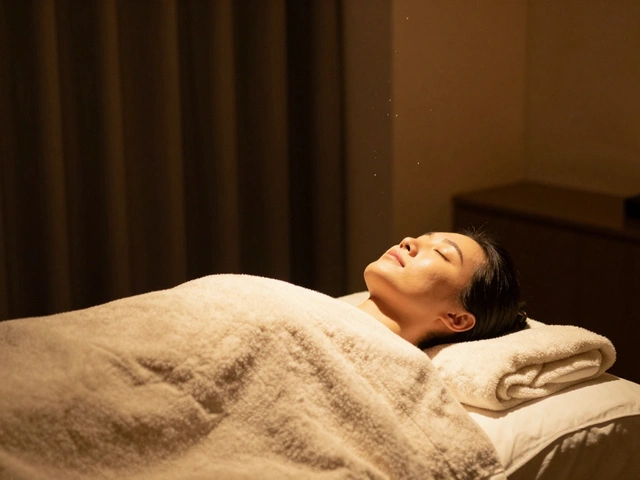
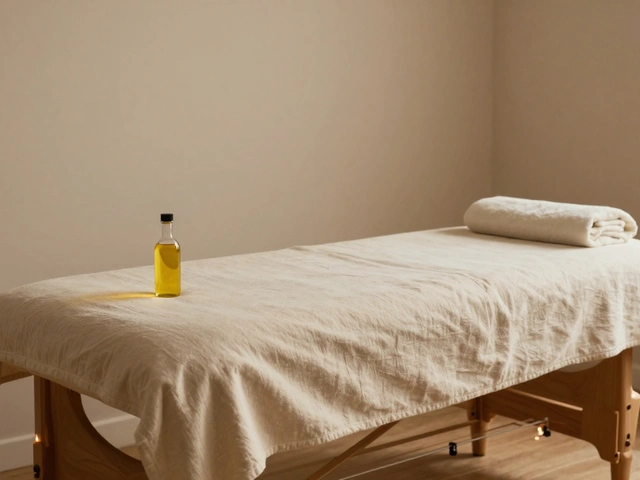
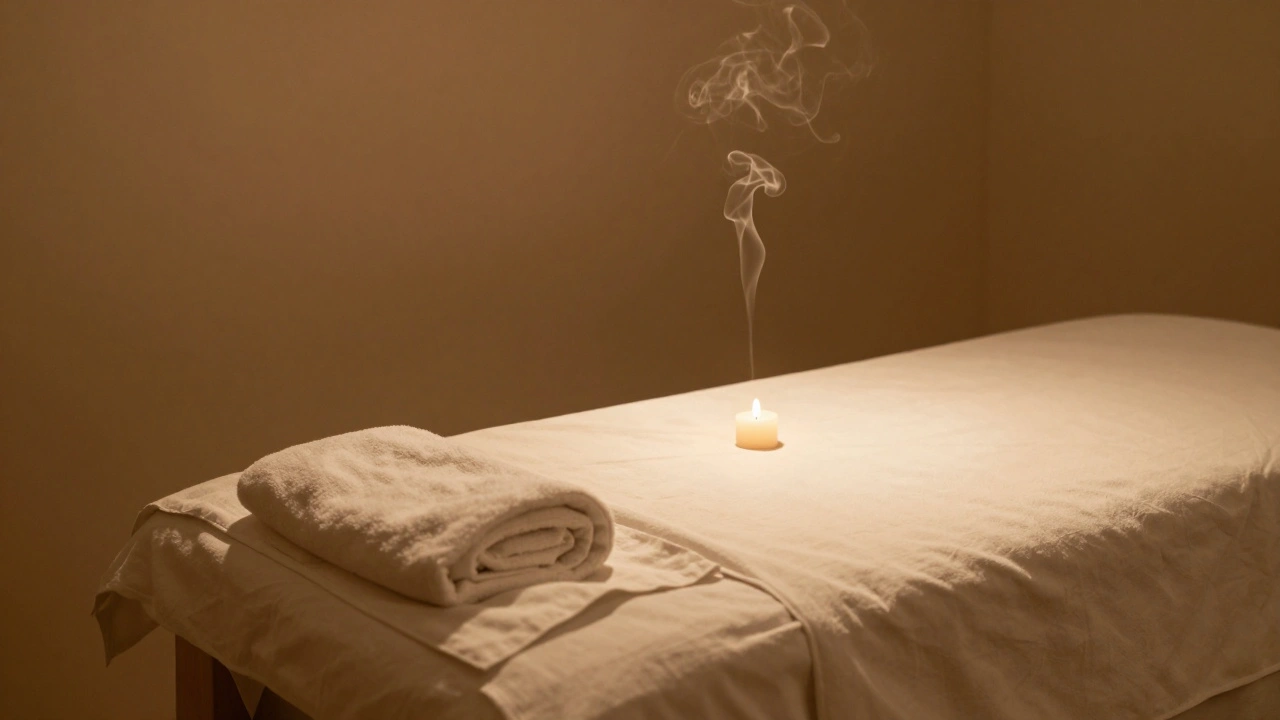
A tantra massage session usually takes place in a quiet, warm room with soft lighting. Candles, incense, or calming music may be used-but not always. The most important thing is that the space feels safe and private. You’ll lie on a heated massage table, covered with a sheet. The practitioner will leave the room while you undress and cover yourself. You’re never forced to be naked. Many people keep their underwear on. The environment is designed to help you feel protected, not exposed.
Key Processes or Steps
A typical session lasts 60 to 90 minutes. It begins with a short conversation to set intentions and boundaries. Then you lie down. The practitioner starts with gentle strokes on your back, feet, or arms-areas that feel safe. The touch is slow, deliberate, and continuous. There’s no pressure to respond. No talking. No eye contact unless you choose it. As you relax, the touch may move to other areas, always staying within your comfort zone. The session ends with a few minutes of stillness, often with a warm towel or blanket. You’re offered water and time to reorient before getting dressed.
Customization Options
Tantra massage isn’t one-size-fits-all. Some practitioners focus on energy centers (chakras). Others use breathwork or sound. Some sessions are fully clothed. Others include gentle genital touch-but only with explicit, ongoing consent. You can ask for lighter touch, no oil, or to avoid certain areas. You can even request silence or gentle talking. The session adapts to you, not the other way around.
Communication and Preparation
Before your session, you’ll be asked to complete a brief intake form. This isn’t just about medical history-it’s about emotional boundaries. Tell your practitioner if you’ve experienced trauma. If you’re nervous, say so. The best practitioners expect it. Wear something comfortable to the session. Avoid heavy meals or alcohol. Arrive 10 minutes early to settle in. And remember: you can stop at any time. No questions asked.
How to Practice or Apply Tantra Massage
Setting Up for Success
If you’re considering a session, choose a quiet time when you won’t be rushed. Don’t schedule it right before work or a big meeting. Let yourself have space afterward. Some people nap. Others sit quietly with tea. Don’t rush back into the world. The effects are subtle but deep.
Choosing the Right Practitioners
Not everyone who calls themselves a tantra massage therapist is trained. Look for someone with formal training in somatic therapy, trauma-informed touch, or bodywork. Ask about their background. Do they have certifications? Do they follow ethical guidelines? Trust your gut. If something feels off, walk away. Reputable practitioners welcome questions.
Step-by-Step Guide for First-Timers
- Research practitioners with verified training and reviews.
- Book a consultation or introductory session-many offer 30-minute options.
- Prepare a list of boundaries: areas to avoid, touch preferences, communication style.
- Arrive early, breathe deeply, and let yourself be curious, not anxious.
- During the session, focus on your breath. If you feel discomfort, signal the practitioner.
- Afterward, hydrate, rest, and avoid rushing into emotional conversations.
Tips for Beginners or Couples
If you’re coming with a partner, remember: this isn’t about intimacy with each other. It’s about intimacy with yourself. Couples often find that after separate sessions, they connect more deeply-not because they’ve had sex, but because they’ve each become more present. If you’re doing it alone, don’t expect to feel "transformed" after one session. Healing isn’t a sprint. It’s a slow unwinding.
FAQ: Common Questions About Tantra Massage
What to expect from tantra massage?
You can expect to be touched slowly, respectfully, and with full attention. You won’t be asked to do anything except lie still and breathe. You might feel warmth, tingling, or emotional waves-tears, laughter, or silence. None of this is required. The goal isn’t to feel anything specific. It’s to allow whatever arises, without judgment. Most people leave feeling calmer, lighter, and more connected to their bodies. It’s not a magic cure, but it’s often the first time in years they’ve felt truly safe in their own skin.
What happens during a tantra massage session?
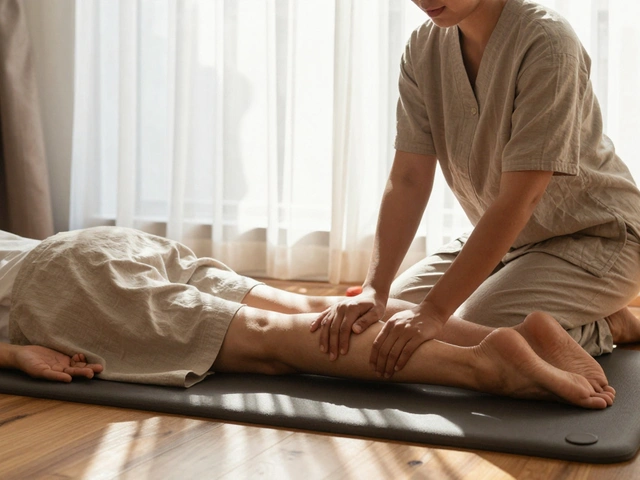
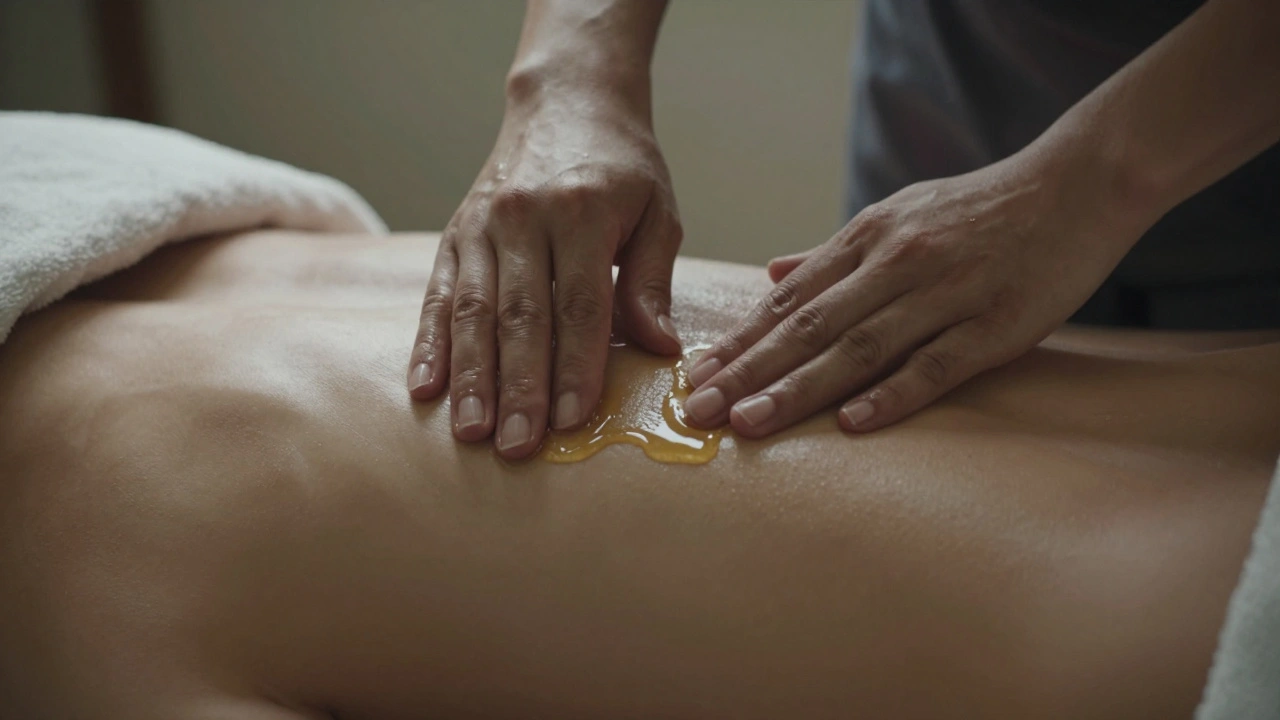
After a brief check-in, you’ll undress and cover yourself on the table. The practitioner will begin with gentle, non-sexual touch-usually on the back, legs, or arms. Movements are slow and flowing, using warm oil. The touch may gradually expand to other areas, always respecting your boundaries. There’s no pressure to orgasm or respond. The session ends with stillness and time to reorient. You’ll be offered water and space to get dressed. The whole experience is about presence, not performance.
How does tantra massage differ from sensual massage?
Tantra massage focuses on emotional release and mindfulness. Sensual massage is designed to arouse. In tantra, touch is never meant to lead to sexual release. The practitioner’s role is to help you feel, not to stimulate you. The energy is grounded, not erotic. While both use touch, the intention, technique, and outcome are fundamentally different. Tantra is healing. Sensual massage is pleasure-focused.
What is the method of tantra massage?
The method is simple but powerful: slow, continuous touch combined with deep breathing and mindful presence. Practitioners use long, gliding strokes with warm oil, often starting with safer areas and moving slowly based on your comfort. The rhythm is slow enough to allow your nervous system to shift from fight-or-flight to rest-and-digest. There’s no set sequence. Every session is tailored. The technique is less about what the hands do and more about the quality of attention behind them.
Safety and Ethical Considerations
Choosing Qualified Practitioners
Look for practitioners trained in somatic therapy, trauma-informed touch, or certified through organizations like the International Association of Tantra Professionals. Ask about their training, ethics policy, and how they handle boundaries. Avoid anyone who pressures you, makes sexual comments, or refuses to answer questions.
Safety Practices
Hygiene, consent, and clear communication are non-negotiable. Here’s what to look for:
| Practice | Purpose | Example |
|---|---|---|
| Use of clean linens and fresh oil | Prevent infection and irritation | Single-use towels, new oil for each client |
| Ongoing verbal and non-verbal consent | Ensure comfort and safety | "Is this okay?" before changing touch |
| No sexual contact or expectations | Maintain therapeutic boundaries | Practitioner never initiates sexual behavior |
Setting Boundaries
Your body is yours. Always. You can say no to any touch, at any time. You can ask for more pressure, less oil, or to stop entirely. A good practitioner will thank you for speaking up. Boundaries aren’t obstacles-they’re the foundation of trust.
Contraindications or Risks
Tantra massage isn’t for everyone. Avoid it if you’re in acute emotional crisis, have untreated PTSD without a therapist, or are under the influence of alcohol or drugs. If you have skin infections, open wounds, or recent injuries, wait until you’re healed. If you’re unsure, talk to your doctor first.
Enhancing Your Experience with Tantra Massage
Adding Complementary Practices
Pair tantra massage with journaling, meditation, or breathwork. After a session, spend 10 minutes writing down what you felt-physically or emotionally. This helps integrate the experience. Yoga or mindful walking can deepen the sense of presence.
Collaborative or Solo Engagement
Most people benefit from solo sessions. But some couples choose to attend separately, then share their experiences. Never pressure a partner into it. Tantra isn’t a relationship fix-it’s a personal journey. If you’re doing it alone, honor that. It’s not lonely. It’s liberating.
Using Tools or Props
Warm oil, soft blankets, and calming music help. Some practitioners use singing bowls or tuning forks for sound therapy. At home, you can use a warm towel or a heated pad. But the most important tool is your breath.
Regular Engagement for Benefits
One session can shift your state. Regular sessions-once a month or every six weeks-can rewire how you respond to stress. Think of it like therapy for your body. You wouldn’t expect one gym session to transform your fitness. Same here.
Finding Resources or Experts for Tantra Massage
Researching Qualified Practitioners
Look for professionals listed on directories like the Tantra Professional Association or local wellness centers. Read reviews carefully. Look for mentions of safety, boundaries, and emotional support-not just "amazing orgasm."
Online Guides and Communities
Reputable websites like Tantra.org and SomaticExperiencing.com offer free articles and training resources. Avoid blogs that promise quick fixes or sexual outcomes.
Legal or Cultural Considerations
In many places, tantra massage is legal as long as it’s non-sexual and consensual. Always check local laws. In some cultures, touch between strangers is taboo. Respect your own comfort level, even if others don’t understand.
Resources for Continued Learning
Books like The Art of Sexual Ecstasy by Margo Anand and Tantra: The Path of Ecstasy by Georg Feuerstein offer thoughtful, non-sensational insights. Workshops on somatic therapy and trauma-informed touch are also valuable.
Conclusion: Why Tantra Massage is Worth Exploring
A Path to Emotional Freedom
Tantra massage isn’t a trend. It’s a quiet revolution-one touch at a time. It doesn’t promise enlightenment. It doesn’t sell you a fantasy. It simply offers a space to feel, without shame or speed. If you’ve spent years trying to fix yourself, maybe it’s time to just be with yourself.
Try It Mindfully
If you’re curious, start small. Book a 60-minute session with a certified practitioner. Don’t expect miracles. Do expect to feel something-maybe for the first time in a long while.
Share Your Journey
Tried tantra massage? Share your experience in the comments. You never know who needs to hear it.
Follow this blog for more gentle, grounded wellness practices.
Explore tantra massage-and let us know how it goes.
Some links may be affiliate links, but all recommendations are based on research and quality.
Word count: 1,742
Suggested Images
- A softly lit massage room with warm lighting, a massage table covered in a linen sheet, and a small candle on the side.
- A pair of hands gently applying oil to a person’s back, with blurred background to emphasize privacy and calm.
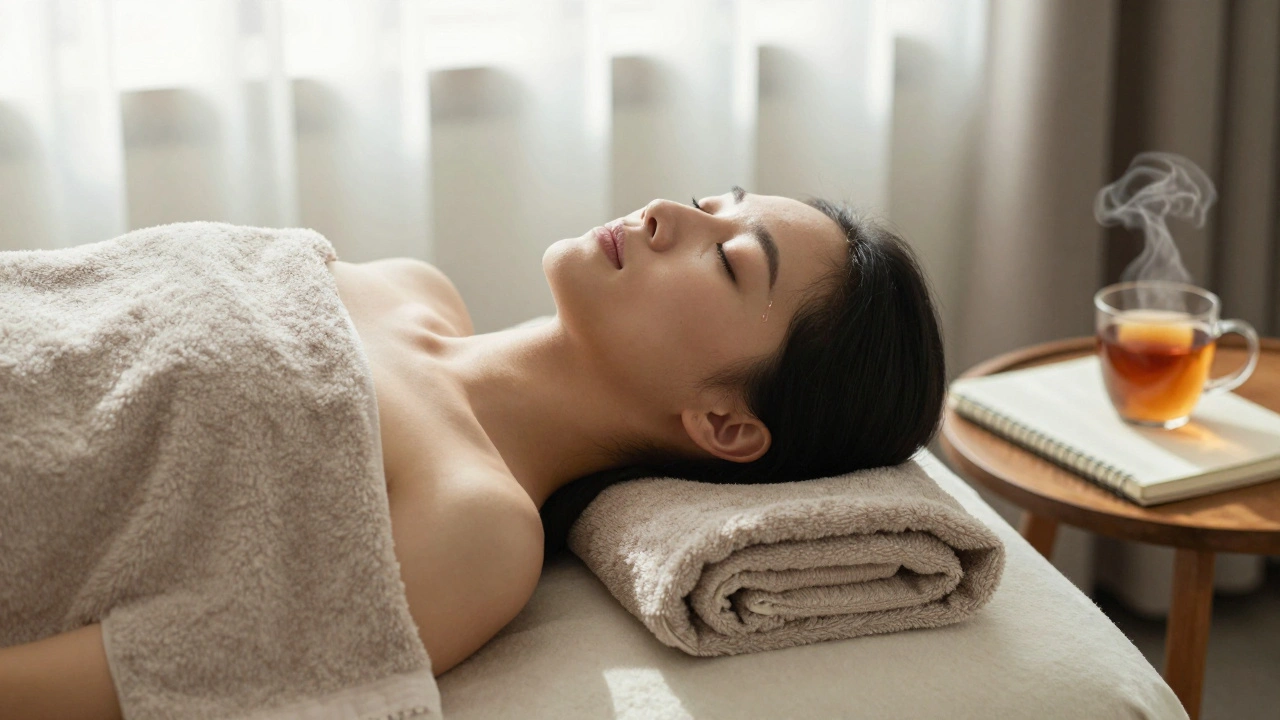
- A person lying peacefully on a massage table, eyes closed, wrapped in a warm towel.
- A close-up of warm massage oil being poured slowly into a hand.
- A journal and a cup of tea placed beside a pair of folded clothes after a session.
Suggested Tables
- Comparison of Tantra Massage and Similar Practices
- Safety Practices in Tantra Massage
- Key Benefits of Tantra Massage