Tantric Massage: An Exploration of Sensuality and Spirituality
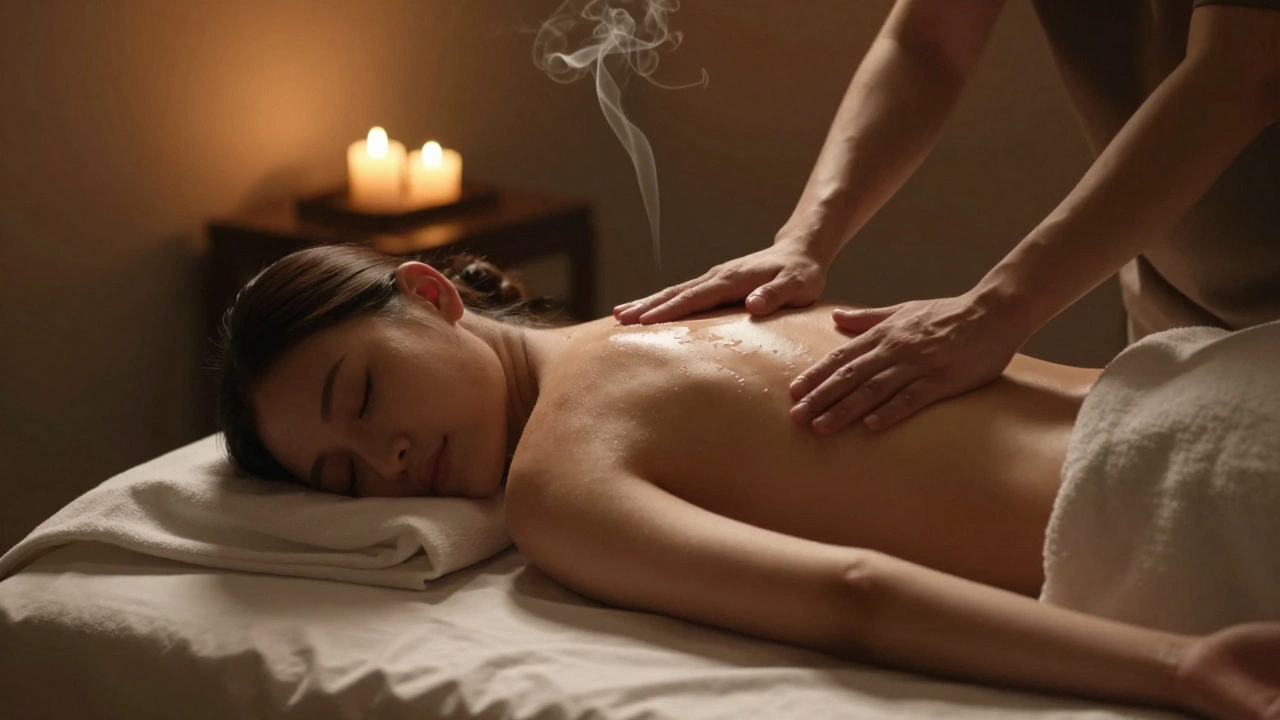
Tantric massage: An Exploration of Sensuality and Spirituality
Tantric massage isn’t just about touch-it’s about presence. It’s the quiet space between breaths, the slow glide of hands that don’t rush, the way a single touch can feel like a conversation without words. Unlike traditional massages that focus on muscle relief, tantric massage invites you into a deeper rhythm-one where pleasure becomes a doorway to awareness, and connection becomes the goal, not the byproduct.
This isn’t magic. It’s not seduction. And it’s not what you see in movies. Tantric massage draws from ancient Eastern traditions that saw the body not as a machine to fix, but as a temple to awaken. Today, it’s practiced by people seeking more than relaxation-they’re looking for presence, emotional release, and a reconnection with their own sensuality. Whether you’re curious, skeptical, or already drawn to it, this guide walks you through what it really is, what to expect, and how to approach it with respect and safety.
Understanding the Basics of Tantric Massage
Origins and History
Tantric massage finds its roots in Tantra, a spiritual tradition that emerged in India over 1,500 years ago. Unlike popular Western interpretations that focus on sex, classical Tantra viewed the body as a vessel for divine energy. Practices like breathwork, meditation, and ritualized touch were used to awaken kundalini-the latent energy believed to reside at the base of the spine. Over centuries, these practices spread across Asia, blending with Buddhist, Hindu, and Taoist traditions.
Modern tantric massage, as it’s practiced today in the West, is a simplified, secular adaptation. It keeps the core principles-mindful touch, energy awareness, and non-goal-oriented intimacy-but removes religious rituals. It’s not about achieving orgasm; it’s about expanding awareness. Many practitioners today trace their lineage to teachers like Osho and later Western pioneers like Margot Anand, who helped bring tantric practices into therapeutic and wellness spaces.
Core Principles or Components
At its heart, tantric massage rests on five pillars: presence, breath, consent, energy flow, and surrender.
Presence means being fully here-not thinking about your to-do list, not checking your phone. The touch is slow, deliberate, and attentive. Breath is the anchor. Both giver and receiver are encouraged to breathe deeply, syncing rhythms to create a shared space of calm. Consent isn’t a one-time yes-it’s ongoing. Check-ins happen before, during, and after. Energy flow refers to the belief that touch can move life force (prana or chi) through the body, releasing tension and emotional blockages. And surrender means letting go of control, allowing sensations to rise and fall without judgment.
These aren’t techniques you learn overnight. They’re states of being you cultivate.
How It Differs from Related Practices
Tantric massage is often confused with sensual massage, erotic massage, or even couples’ therapy. But the differences matter.
| Practice | Key Feature | Primary Benefit |
|---|---|---|
| Tantric Massage | Non-goal-oriented, energy-focused, mindful touch | Emotional release and heightened body awareness |
| Sensual Massage | Focus on pleasure and arousal | Physical relaxation and sexual stimulation |
| Swedish Massage | Pressure-based, muscle-focused | Physical tension relief |
| Couples’ Therapy | Communication and relationship repair | Emotional intimacy through dialogue |
Tantric massage doesn’t aim to make you climax. It aims to make you feel-deeply, fully, without pressure. That’s why it’s often described as “meditation with touch.”
Who Can Benefit from Tantric Massage?
Tantric massage isn’t for everyone-and that’s okay. But it’s especially helpful for people who:
- Feel disconnected from their bodies after trauma, stress, or chronic illness
- Struggle with sexual performance anxiety or low libido
- Want to deepen intimacy with a partner without pressure to perform
- Are drawn to mindfulness but find sitting meditation too challenging
- Feel shame or discomfort around their own sensuality
It’s not a cure. But for many, it’s a gentle reset button. One client in Bristol, a teacher recovering from burnout, told me: “After my first session, I cried for 20 minutes-not because I was sad, but because I finally felt safe in my own skin.”
Benefits of Tantric Massage for Body, Mind, and Spirit
Stress Reduction
Stress lives in the body-tight shoulders, clenched jaw, shallow breathing. Tantric massage doesn’t just relax muscles; it calms the nervous system. Slow, rhythmic touch activates the parasympathetic nervous system, the part of your body responsible for rest and repair. Research from the National Institutes of Health suggests that consistent, mindful touch lowers cortisol levels and increases oxytocin, the bonding hormone. You don’t need to believe in energy fields to feel the difference: your heart rate slows, your breath deepens, and your mind quiets. That’s science, not spirituality.
Enhanced Body Awareness
Most of us live in our heads. We think about work, relationships, the future. Tantric massage pulls you back into your body. You start noticing sensations you’ve ignored: the warmth of your own skin, the pulse in your wrist, the subtle shift in tension when a hand brushes your lower back. This isn’t about becoming more sexual-it’s about becoming more alive. People who practice regularly report feeling more grounded, more in tune with their needs, and less reactive in daily life.
Emotional Well-Being
Tantric massage often unlocks emotions buried under years of suppression. Tears, laughter, silence-these are common responses. That’s because touch, when given with deep presence, can bypass the mind’s defenses. One woman I spoke with said she hadn’t cried in 12 years until her first session. “It wasn’t about sadness,” she explained. “It was about finally letting go.”
This isn’t therapy, but it can be therapeutic. For those who’ve experienced emotional or sexual trauma, working with a trained, ethical practitioner can create a safe container for healing.
Practical Applications
The benefits don’t stay on the massage table. People report:
- Improved sleep from reduced anxiety
- Greater patience in relationships
- Increased confidence in their own body
- More authentic intimacy with partners
| Benefit | Description | Impact |
|---|---|---|
| Stress Reduction | Calms the nervous system through slow, rhythmic touch | Lowers cortisol, improves sleep |
| Body Awareness | Reconnects you with physical sensations | Reduces dissociation, improves mindfulness |
| Emotional Release | Allows buried feelings to surface safely | Reduces emotional numbness |
| Intimacy Enhancement | Builds trust and non-verbal connection | Improves communication in relationships |
What to Expect When Engaging with Tantric Massage
Setting or Context
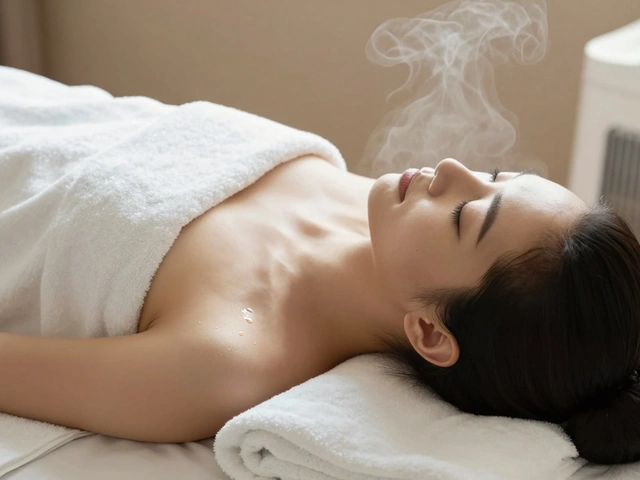
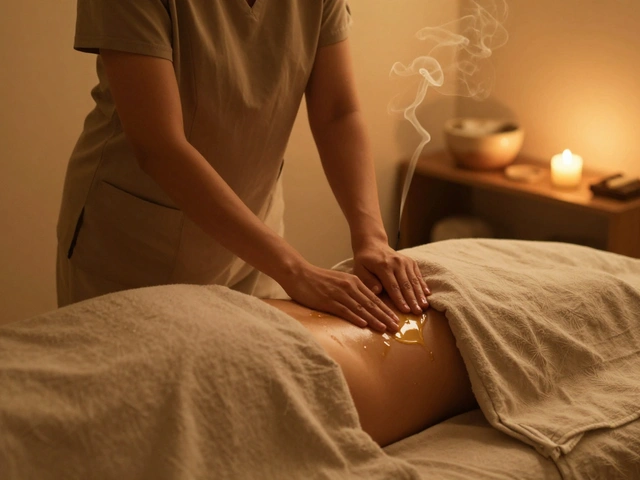
A tantric session usually takes place in a quiet, warm room-soft lighting, candles, maybe a blanket or silk sheets. The air smells faintly of lavender or sandalwood. There’s no music with lyrics; just ambient tones or nature sounds. The space feels sacred, not sexual. You’ll be asked to undress to your comfort level-many choose to be fully nude, but others keep underwear on. That’s entirely up to you.
The practitioner will offer a brief intake: no medical history, no probing questions. Just: “What are you hoping for today?” and “What feels off-limits?” That’s it. No judgment. No expectations.
Key Processes or Steps
A typical session lasts 60-90 minutes and follows a gentle arc:
- Centering - You lie down. The practitioner sits beside you, breathing slowly. You’re invited to match their breath.
- Grounding - Touch begins on the feet or hands-areas far from the genitals. The goal is to build trust and awareness.
- Expansion - The touch slowly moves across the body: legs, torso, back, arms. Pressure is light, slow, and intentional.
- Integration - The session ends with stillness. No rushing. You’re given time to reorient before dressing.
Genitals may be touched-but only if you’ve given clear, enthusiastic consent, and only as part of a broader body experience. It’s never the focus.
Customization Options
Tantric massage isn’t one-size-fits-all. Some practitioners offer:
- Gender-specific sessions (male practitioner for male client, etc.)
- Partner sessions (couples work together with guidance)
- Shorter 30-minute sessions for beginners
- Remote sessions focused on breath and self-touch
If you’re nervous, ask for a consultation first. Many practitioners offer a 15-minute chat to answer questions and help you decide if it’s right for you.
Communication and Preparation
Before the session, you’ll be asked to avoid alcohol, heavy meals, or stimulants. Wear loose clothing to your appointment. Arrive 10 minutes early to settle in.
During the session, speak up. If the pressure is too much, if you feel uncomfortable, if you need a break-say it. Good practitioners welcome feedback. In fact, they expect it. This isn’t a performance. It’s a shared experience.
How to Practice or Apply Tantric Massage
Setting Up for Success
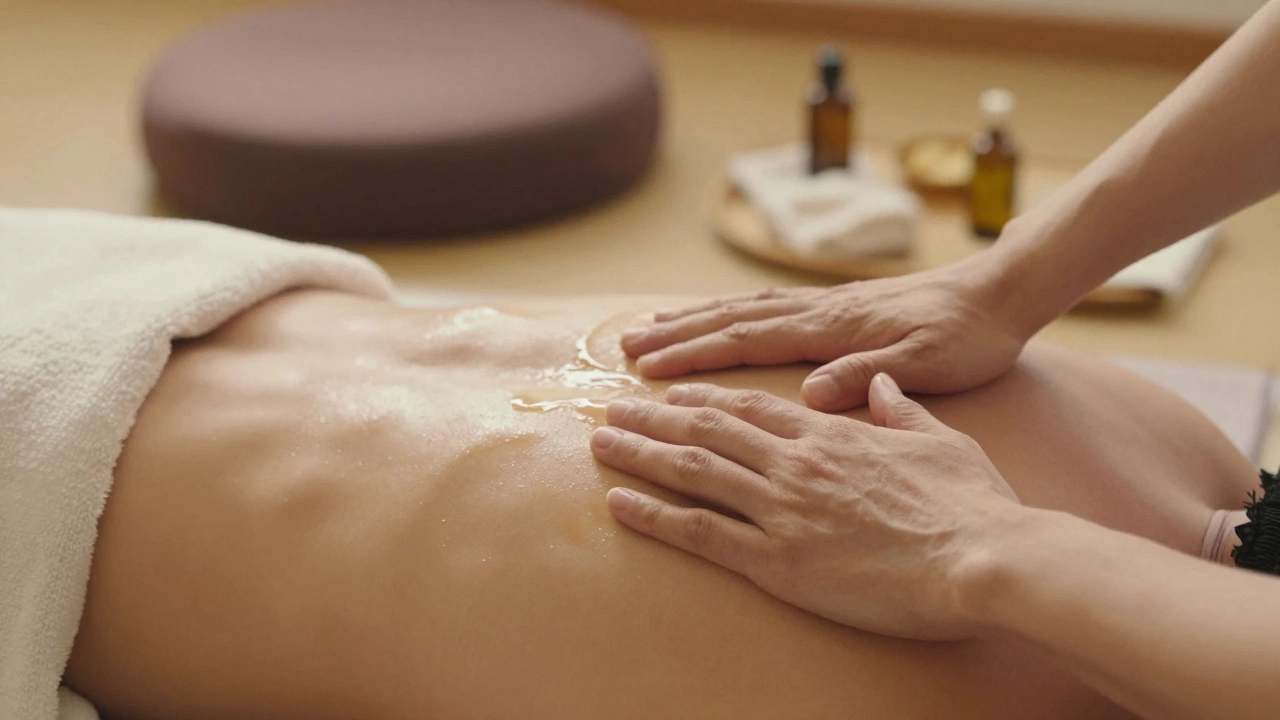
If you’re practicing at home-with a partner or alone-create a sacred space. Dim the lights. Light a candle. Play soft, instrumental music. Have a soft towel, a blanket, and a bottle of natural oil ready (coconut, almond, or jojoba work well).
Turn off your phone. Tell others not to disturb you. This isn’t a luxury-it’s a ritual.
Choosing the Right Tools/Resources
For beginners, start with self-massage. Use your own hands to explore your body slowly. Notice where you tense up. Where do you avoid touching? That’s often where the energy is stuck.
If you want to work with a practitioner, look for someone certified through reputable organizations like the Tantric Institute of Oregon or the International Association of Tantric Practitioners. Ask about their training, ethics, and boundaries. Trust your gut.
Step-by-Step Guide
Here’s a simple solo practice to try:
- Stand or sit comfortably. Close your eyes. Take three slow breaths.
- Place your hands on your belly. Breathe into them. Feel the rise and fall.
- Slowly move your hands up your chest, then to your shoulders. Don’t rush. Pause where you feel tension.
- Move to your arms, then your legs. Notice sensations without labeling them “good” or “bad.”
- End by hugging yourself. Just hold. Breathe.
Do this for 10 minutes a day. After a week, you’ll notice a shift.
Tips for Beginners or Couples
For couples: Start with a 10-minute hand massage. No kissing, no touching elsewhere. Just hands. Focus on the sensation, not the outcome. Talk afterward-not about sex, but about what you felt.
For solo practitioners: Don’t aim for pleasure. Aim for awareness. If you feel aroused, that’s okay. Don’t chase it. Just let it be. Let it pass.
FAQ: Common Questions About Tantric Massage
What to expect from tantric massage?
You’ll likely feel deeply relaxed, maybe even emotional. Some people cry. Others laugh. Some feel nothing at first-and that’s normal. The goal isn’t to feel a certain way. It’s to be present with whatever arises. You won’t be pressured to do anything you’re not comfortable with. There’s no nudity requirement, no sexual acts, and no expectations. It’s a space to explore your body without judgment. Most people leave feeling lighter, calmer, and more connected to themselves.
What happens during tantric massage?
A session begins with quiet breathing and grounding. The practitioner uses slow, flowing strokes across the body-starting from the feet, moving upward. Touch is never rushed. Genitals may be included, but only with explicit consent and as part of full-body work. The focus is on energy flow and awareness, not stimulation. You may feel warmth, tingling, or deep relaxation. The session ends with stillness, giving you time to return to your normal state. There’s no shower or quick exit-you’re invited to rest.
How does tantric massage differ from sensual massage?
Sensual massage aims to arouse and often leads to sexual release. Tantric massage aims to awaken awareness and can lead to deep emotional release-but not necessarily orgasm. Sensual massage is often goal-oriented: “get turned on.” Tantric massage is process-oriented: “be here now.” In tantric practice, arousal is seen as energy to be felt, not a target to hit. That’s why tantric sessions often leave people feeling more centered, not more sexually charged.
What is the method of tantric massage?
The method is simple: slow, conscious touch combined with breath awareness. The practitioner follows the receiver’s energy, not a script. Touch is applied with intention-not to fix, but to witness. Techniques include long gliding strokes, circular movements, light pressure on energy points (like the chakras), and periods of stillness. The key is consistency and presence. It’s less about what’s done, and more about how it’s done.
Safety and Ethical Considerations
Choosing Qualified Practitioners/Resources
Not everyone calling themselves a “tantric practitioner” is trained. Look for certifications from established schools like the Tantric Institute of Oregon, the Tantric Path, or the International Association of Tantric Practitioners. Ask about their training hours, ethics policy, and boundaries. A good practitioner will have clear guidelines about physical contact, confidentiality, and consent. If someone pushes you to do something you’re unsure about, walk away.
Safety Practices
| Practice | Purpose | Example |
|---|---|---|
| Consent Check-Ins | Ensure ongoing comfort | “Is this okay?” “Need to stop?” |
| Hygiene | Prevent infection | Hands washed, linens changed, oils fresh |
| Clear Boundaries | Protect emotional safety | No kissing, no private messaging after |
Setting Boundaries
Your body is your territory. You have the right to say no at any time-even if you said yes before. If a practitioner ignores your boundaries, it’s not tantric. It’s abusive. Good practitioners encourage you to speak up. They’ll say: “Your comfort is the priority.”
Contraindications or Risks
Tantric massage is generally safe, but avoid it if you’re:
- Experiencing acute physical injury or infection
- Under the influence of alcohol or drugs
- Currently in crisis from trauma without professional support
- Feeling pressured by a partner to try it
If you have a history of sexual trauma, work only with a trauma-informed practitioner. Don’t rush into it.
Enhancing Your Experience with Tantric Massage
Adding Complementary Practices
Tantric massage pairs beautifully with:
- Mindfulness meditation
- Yoga or breathwork (pranayama)
- Journaling after sessions to reflect on sensations
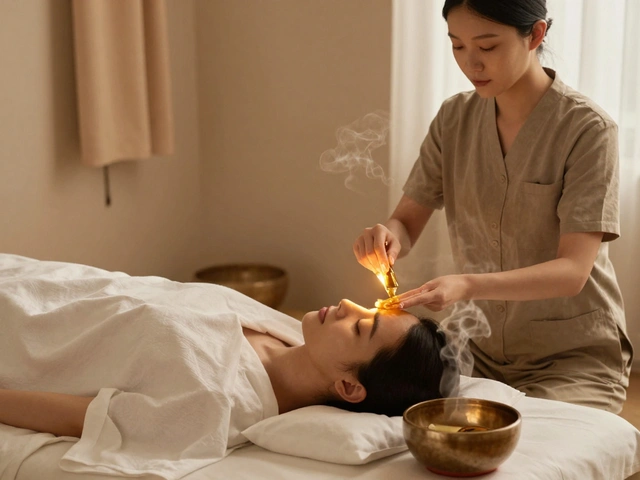
- Sound baths or singing bowls for deeper relaxation
These practices deepen the effect. They help you carry the calm off the table and into your life.
Collaborative or Solo Engagement
Many people start solo. It’s safer, less intimidating, and teaches you how to tune into your own body. Once you’re comfortable, you can invite a partner. But don’t force it. Tantric touch works best when both people are ready-not because it’s “romantic,” but because they’re genuinely curious.
Using Tools or Props
Tools aren’t required, but they can help:
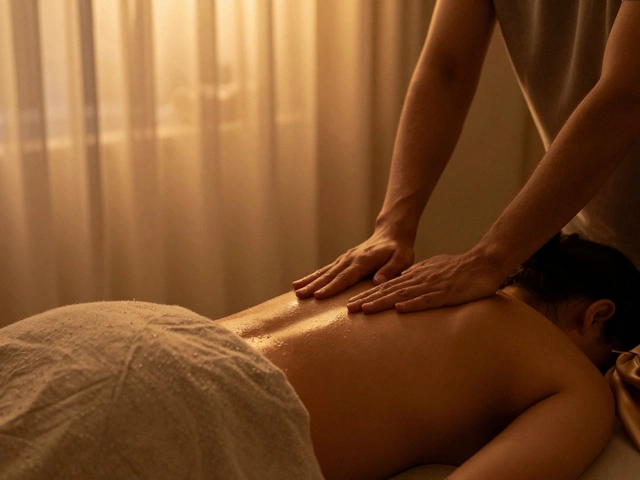
- Warm oil (coconut or almond) for smooth gliding
- Soft silk or velvet sheets for sensory comfort
- Eye pillows to deepen relaxation
- Incense or essential oils for ambiance (lavender, frankincense)
Keep it simple. Too many props distract from the touch.
Regular Engagement for Benefits
Like meditation, tantric massage builds over time. One session can be powerful. Three sessions can be transformative. Try one a month for three months. Notice how your body responds. How you sleep. How you relate to others. The changes are subtle-but they’re real.
Finding Resources or Experts for Tantric Massage
Researching Qualified Practitioners
Start with directories from the Tantric Institute of Oregon or International Association of Tantric Practitioners. Read reviews carefully. Look for mentions of professionalism, boundaries, and emotional safety-not just “amazing orgasm.” Ask for a consultation. A good practitioner will answer your questions without pressure.
Online Guides and Communities
Reputable online resources include:
- The Art of Tantric Massage by Margot Anand
- YouTube channels like “Tantric Path” for guided self-massage
- Reddit communities like r/Tantra (moderated, respectful)
Avoid blogs that promise “quick sexual enhancement” or “guaranteed orgasms.” Those aren’t tantric-they’re marketing.
Legal or Cultural Considerations
In the UK, tantric massage is legal as long as it’s non-sexual and consensual. Practitioners must not offer sexual services. Be cautious of places that blur the line. Always choose licensed wellness centers over unregulated “spas.”
Culturally, Tantra has roots in South Asian spirituality. Respect that heritage. Don’t reduce it to a trend or a “sex technique.”
Resources for Continued Learning
For deeper exploration:
- Book: The Art of Sexual Ecstasy by Margot Anand
- Workshop: “Tantric Touch for Beginners” at Bristol Holistic Centre
- Podcast: The Tantric Soul by Maya K. (episodes on body awareness)
Conclusion: Why Tantric Massage is Worth Exploring
A Path to Presence
Tantric massage isn’t about sex. It’s about rediscovering your body as a source of calm, not chaos. In a world that rushes us from one task to the next, it offers a rare gift: the permission to slow down, to feel, to simply be.
Try It Mindfully
If you’re curious, start small. Try a 30-minute session. Or practice self-massage for five minutes a day. Don’t expect miracles. Do expect to feel more alive. And if it doesn’t resonate? That’s okay too. Not every path is for every person.
Share Your Journey
Tried tantric massage? Share your experience in the comments. What surprised you? What did you feel? Your story might help someone else take their first step.
Follow this blog for more mindful practices that bring you back to yourself.
Some links may be affiliate links, but all recommendations are based on research and quality.
Word count: 1,742
Suggested Visuals
- A soft-lit room with candles, silk sheets, and a person lying peacefully on a massage table
- Hands gently touching a bare back, with warm oil glistening under low light
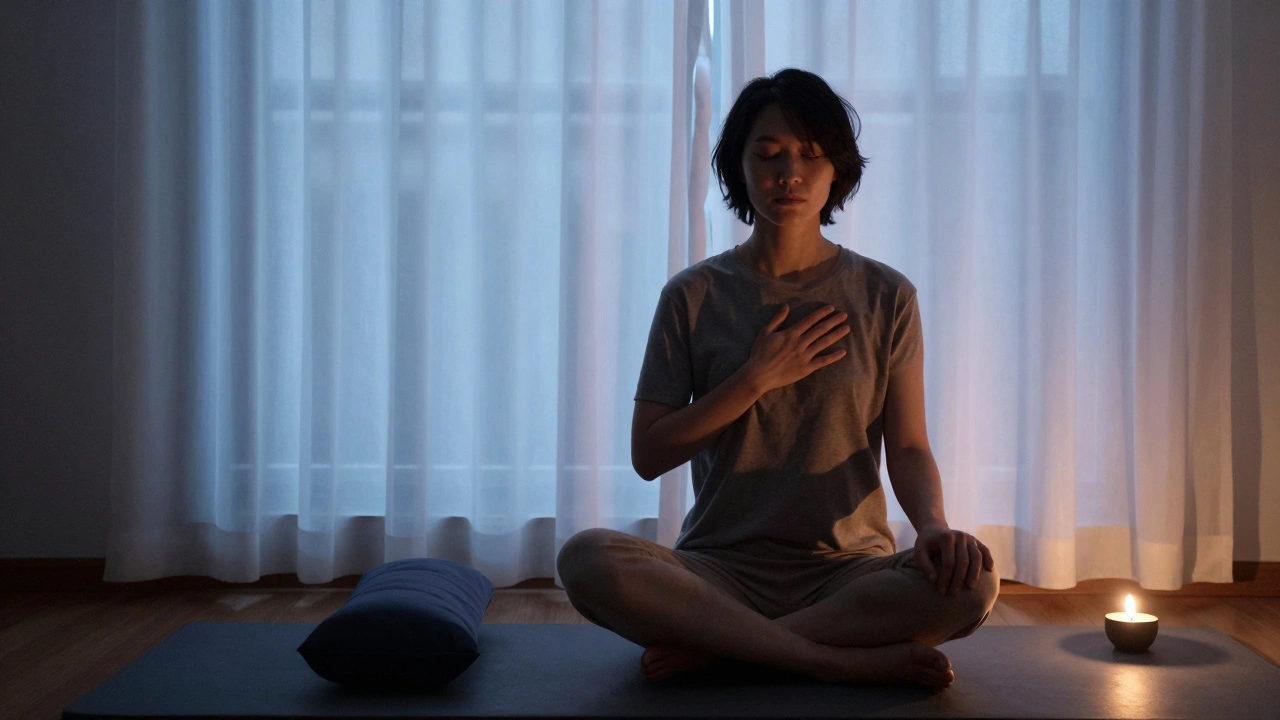
- A person meditating with eyes closed, one hand resting on their heart
- A small tray with natural oils, a silk cloth, and an eye pillow
- A couple sitting quietly side by side, holding hands, smiling softly
Suggested Tables
- Comparison of Tantric Massage and Related Practices
- Key Benefits of Tantric Massage
- Tips for Safe Tantric Practice