Thai Massage and Reflexology: A Powerful Duo for Health
Thai massage and reflexology are two ancient healing traditions that, when combined, create a deeply restorative experience for body and mind. Unlike standalone massages that focus only on muscles, this powerful duo works on energy lines, pressure points, and nervous system balance - offering relief that lasts far beyond the session. Whether you’re dealing with chronic stress, tight shoulders from hunching over a desk, or just need to reset after a long week, Thai massage paired with reflexology doesn’t just relax you - it reprograms how your body handles tension.
Understanding the Basics of Thai Massage and Reflexology
Origins and History
Thai massage traces its roots back over 2,500 years to the teachings of Shivago Komarpaj, a physician and contemporary of the Buddha. It was developed in ancient Siam (modern-day Thailand) as a holistic system combining acupressure, assisted yoga postures, and energy line work. Monks in temple hospitals used it to heal monks and travelers alike, treating not just pain but imbalance in the body’s energy flow.
Reflexology, on the other hand, has roots in ancient Egypt, China, and India. The idea is simple: specific zones on the feet, hands, and ears connect to organs and systems throughout the body. By applying pressure to these zones, you stimulate healing responses in distant areas. Modern reflexology was refined in the early 20th century by Dr. William Fitzgerald and later by Eunice Ingham, who mapped out the foot’s reflex zones in detail.
When you combine these two, you’re not just getting a massage - you’re tapping into two complementary systems that have been refined over millennia.
Core Principles or Components
Thai massage works on the body’s ten energy lines, called sen lines. Practitioners use their thumbs, palms, elbows, knees, and even feet to apply rhythmic pressure along these lines, while guiding you through passive stretches. It’s like yoga you don’t have to do yourself - you lie still while your body is gently moved into positions that release deep tension.
Reflexology focuses on the feet, which are packed with nerve endings connected to every major organ. By pressing on the ball of the foot, you’re stimulating the lungs. Pressing the arch? That’s the digestive system. The heel? That’s the lower back. The technique is precise, not forceful - think more like a slow, mindful thumb massage than a foot crunch.
Together, they create a full-body reset. Thai massage opens up the muscular and energetic pathways, while reflexology fine-tunes internal function. One clears the highway; the other directs traffic to where it’s needed most.
How It Differs from Related Practices
People often confuse Thai massage with Swedish massage or deep tissue work. But here’s the difference: Swedish is about relaxation with long, gliding strokes. Deep tissue targets knots with intense pressure. Thai massage? It’s active, dynamic, and holistic - it moves your body, not just rubs it.
Reflexology is also not a foot rub. It’s not about relaxation alone - it’s about triggering internal responses through nerve pathways. You won’t feel like you’re getting a spa pedicure. You’ll feel subtle shifts in your digestion, breathing, or even your headache.
| Practice | Key Feature | Primary Benefit |
|---|---|---|
| Thai Massage | Assisted yoga stretches + energy line pressure | Improves flexibility, releases deep muscular tension |
| Reflexology | Pressure on foot/hand/ear zones | Stimulates internal organ function, balances nervous system |
| Swedish Massage | Long, flowing strokes with light-to-medium pressure | Relaxes surface muscles, reduces stress |
| Deep Tissue | Intense, focused pressure on muscle adhesions | Breaks down chronic muscle knots |
Who Can Benefit from Thai Massage and Reflexology?
Almost everyone. If you sit at a desk all day, your hips and lower back tighten up - Thai massage opens those areas. If you’re always stressed, your adrenal glands are overworked - reflexology helps calm them. Athletes use it for recovery. Office workers use it to combat burnout. Seniors find relief from stiffness. Even people with anxiety report feeling more grounded after a session.
It’s especially helpful for those who’ve tried other therapies and still feel stuck. Thai massage doesn’t just treat symptoms - it addresses the root patterns of tension. And reflexology? It’s like giving your body a silent internal update.
Benefits of Thai Massage and Reflexology for Body and Mind
Stress Reduction
Chronic stress keeps your body in fight-or-flight mode. Your muscles stay clenched, your digestion slows, and your sleep suffers. Thai massage activates the parasympathetic nervous system - the part of your brain that says, “You’re safe now.” The rhythmic pressure, combined with the gentle stretching, signals your body to release cortisol and increase serotonin.
Reflexology adds another layer. Pressing the solar plexus point on the foot (just below the ball) triggers a calming response in the central nervous system. Studies from the National Institutes of Health suggest that regular reflexology can lower perceived stress levels by up to 40% in high-anxiety groups Web source (https://www.nih.gov).
After a session, you don’t just feel relaxed - you feel lighter, as if you’ve shed an invisible weight.
Enhanced Functionality
Think of your body like a car. If the engine is running fine but the wheels are misaligned, you’ll still feel off. Thai massage realigns your posture by releasing tight muscles that pull your skeleton out of balance. Over time, this improves mobility, reduces joint strain, and even helps with breathing.
Reflexology enhances internal function. Pressing the kidney zone on the foot supports fluid balance. The liver zone? That helps with detox pathways. The spine zone? It can ease back stiffness. These aren’t magic - they’re physiological responses. Nerve endings in the feet send signals to the brain, which then adjusts organ activity.
People who combine both regularly report fewer headaches, better digestion, and more energy - not because they’re doing more, but because their body is working more efficiently.
Emotional Well-Being
Tension isn’t just physical. It’s emotional too. When you carry stress for months, it settles into your body like sediment. Thai massage doesn’t just loosen muscles - it releases stored emotions. Many people cry during or after a session, not because it hurts, but because something inside them finally lets go.
Reflexology helps regulate mood by stimulating the endocrine system. The pituitary gland (linked to the big toe) controls hormone balance. The adrenal gland (linked to the heel) manages stress response. When both are gently stimulated, your body recalibrates.
It’s not a replacement for therapy, but for many, it’s the missing piece - a way to feel emotionally safe in their own skin again.
Practical Applications
Want to sleep better? Try reflexology before bed - focus on the solar plexus and the heel. Need to recover after a workout? Thai massage helps flush lactic acid and restores range of motion. Prepping for a big presentation? A 30-minute combo session can calm nerves and sharpen focus.
Many corporate wellness programs now include Thai massage and reflexology because employees report higher productivity, fewer sick days, and better team morale.
| Benefit | Description | Impact |
|---|---|---|
| Improved Flexibility | Passive stretching opens hips, shoulders, spine | Reduces injury risk, improves posture |
| Reduced Chronic Pain | Targets tension patterns in neck, back, feet | Decreases reliance on pain meds |
| Better Sleep | Calms nervous system, balances hormones | Deeper, more restorative rest |
| Enhanced Digestion | Reflexology stimulates gut-related zones | Less bloating, more regularity |
| Emotional Release | Releases stored tension and anxiety | Greater sense of calm and clarity |
What to Expect When Engaging with Thai Massage and Reflexology
Setting or Context
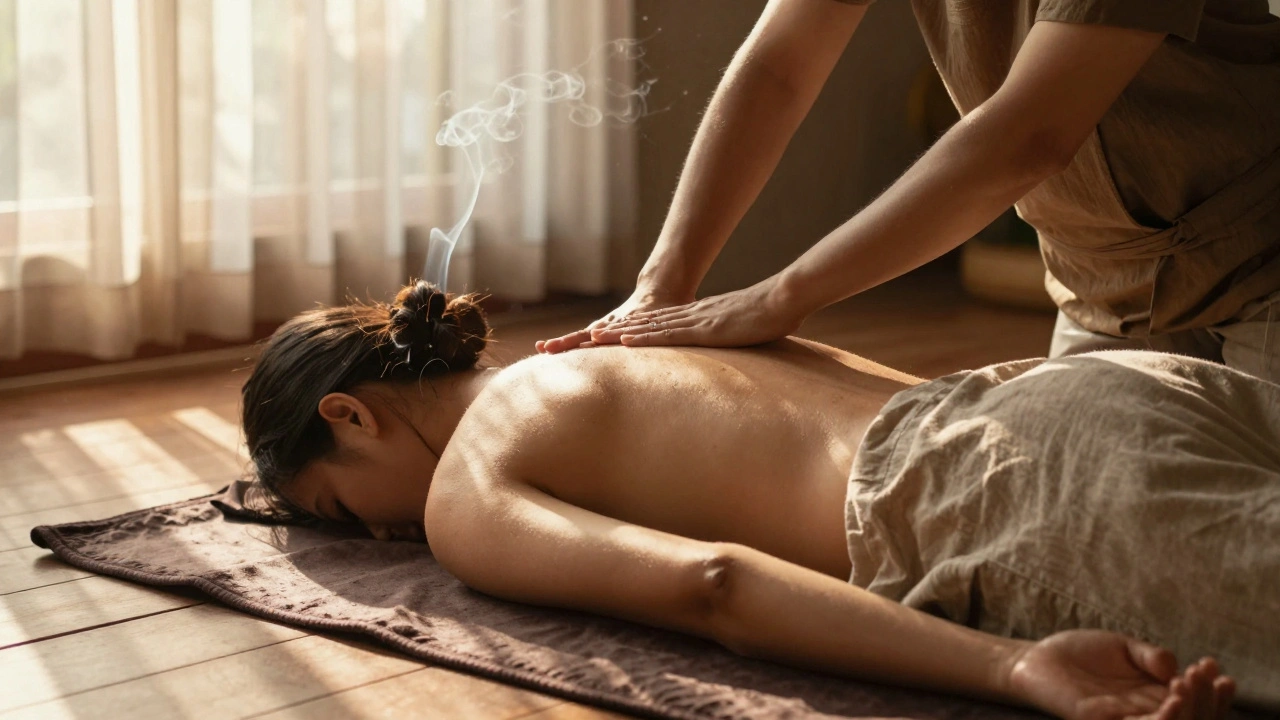
You’ll typically lie on a thick mat on the floor, fully clothed in loose, comfortable clothing. No oils, no undressing - just you, your clothes, and the practitioner. The room is warm, quiet, and softly lit. Incense or essential oils might be used, but never overpowering. The space feels sacred, not commercial - like a temple of rest.
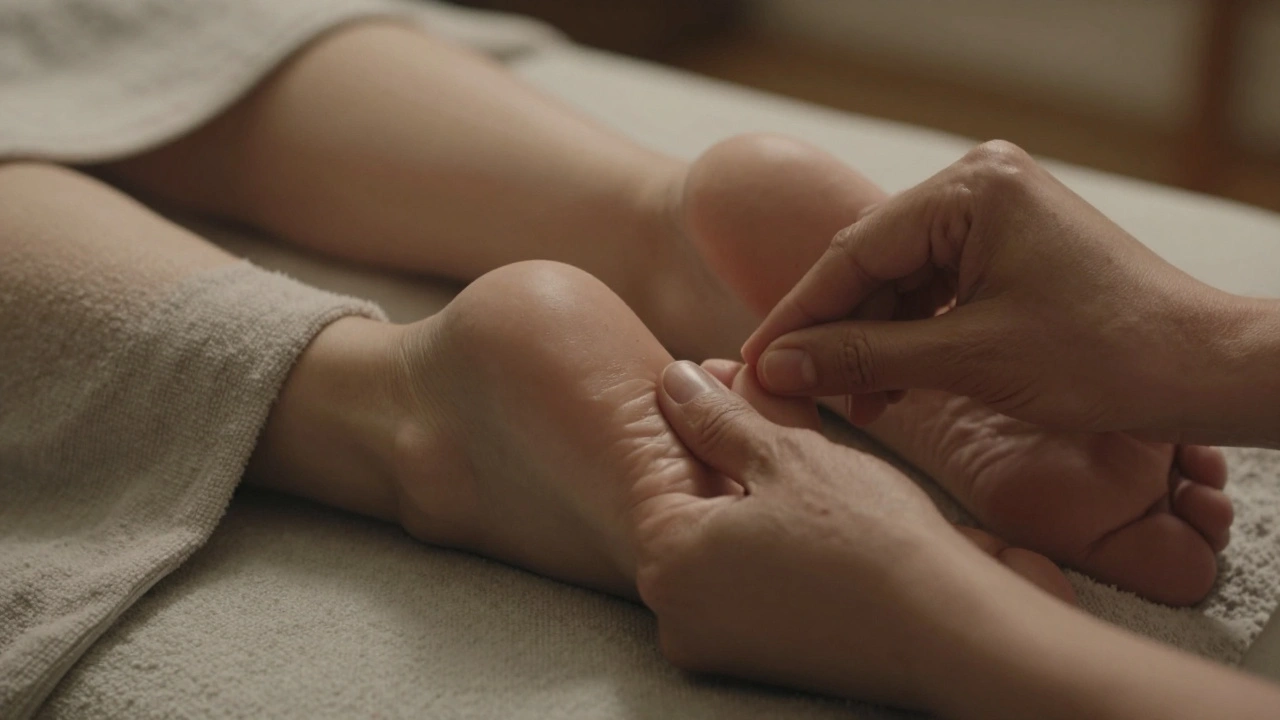
Reflexology is done seated or lying down, usually with your feet exposed. A small towel covers your legs for modesty. The practitioner works slowly, often with a calm, steady presence. You’re not rushed. There’s no clock.
Key Processes or Steps
A typical 90-minute session starts with Thai massage: the practitioner begins at your feet, moves up your legs, opens your hips, stretches your spine, and works on your shoulders and neck. You’ll be guided into positions you couldn’t reach on your own. It’s not painful - it’s deep, satisfying pressure.
Then you switch to reflexology. The practitioner uses their thumbs to apply pressure to specific points on your feet. You might feel a slight ache - that’s the zone being activated. Some points feel tender; others feel like a release. You’ll likely feel warmth, tingling, or even a pulse in areas you didn’t know were connected to your feet.
Customization Options
Every session is tailored. If you have a sore knee, the practitioner will spend more time on your lower leg and foot reflexes tied to the knee. If you’re anxious, they’ll focus on calming points on the feet and gentle shoulder releases. You can ask for lighter pressure, more stretching, or extra time on your back.
Some places offer shorter 60-minute versions - 40 minutes Thai, 20 minutes reflexology. Others do full 120-minute sessions. It’s your call.
Communication and Preparation
Speak up. If something hurts too much, say so. Thai massage should never be painful - it should feel like a deep, releasing pressure. Let the practitioner know if you’re pregnant, have a recent injury, or have any medical conditions. They’re trained to adapt.
Drink water after. Both practices release toxins and open energy channels. Hydration helps your body process the changes.
How to Practice or Apply Thai Massage and Reflexology
Setting Up for Success
If you’re doing this at home, create a quiet, warm space. Use a yoga mat or thick towel. Have a blanket nearby. Play soft music or nature sounds. Silence your phone. This isn’t multitasking time - it’s restoration time.
Choosing the Right Tools/Resources
For Thai massage, you don’t need special tools - just a willing partner or a trained therapist. For reflexology, you can buy a wooden reflexology stick or a small massage ball. But nothing replaces a skilled practitioner’s hands.
Look for therapists certified by the Thai Traditional Medical Society or the American Reflexology Certification Board. Ask about their training background. Good practitioners don’t just know the points - they feel the energy.
Step-by-Step Guide
1. Start with Thai massage: Lie on your back. Have someone gently press along your leg’s inner and outer lines, from ankle to hip. Use their palm or thumb. Then guide your knee toward your chest, hold, release. Move to your shoulders - gently pull your arm across your body. Don’t force anything.
2. Switch to reflexology: Sit comfortably. Use your thumb to press the ball of your foot for 30 seconds - that’s the lung zone. Press the arch - that’s the stomach. Press the heel - lower back. Hold each point for 10-20 seconds. Breathe deeply.
3. End with deep breaths. Lie still for 5 minutes. Let your body integrate.
Tips for Beginners or Couples
Don’t expect perfection. Your first session might feel strange. That’s normal. Focus on your breath. If you’re doing this with a partner, take turns. It’s a beautiful way to connect - not just physically, but emotionally. No talking needed. Just presence.
FAQ: Common Questions About Thai Massage and Reflexology
What to expect from Thai massage and reflexology?
You’ll lie fully clothed on a mat while a therapist uses their hands, elbows, and feet to apply pressure and guide you through stretches. Then, you’ll sit or lie while they work on your feet using thumb pressure. You might feel tender spots - that’s normal. You’ll likely feel deeply relaxed afterward, sometimes even a little emotional. It’s not a typical spa experience - it’s a full-body reset. Some people feel energized. Others feel like they’ve been hugged by a quiet mountain. Both are valid.
What happens during a Thai massage and reflexology session?
The session begins with Thai massage: the therapist moves your body through yoga-like stretches while pressing along energy lines. You’ll feel your hips open, your spine lengthen, your shoulders drop. Then, you’ll move to reflexology, where your feet are massaged with focused pressure on zones tied to organs. You might feel warmth, tingling, or even a pulse in your head or belly. The whole session lasts 60-120 minutes. There’s no music blaring, no chatty therapist - just calm, intentional touch.
How does Thai massage differ from reflexology?
Thai massage works on the whole body - muscles, joints, and energy lines - using movement and pressure. Reflexology works only on the feet (or hands/ears), using targeted pressure to influence internal organs. One is about physical release; the other is about internal balance. Together, they’re like cleaning the pipes and turning on the water - you get both structure and flow.
What is the method of Thai massage and reflexology?
Thai massage uses a combination of acupressure, assisted yoga, and rhythmic compression along ten energy lines. Reflexology uses thumb and finger pressure on specific zones of the feet, each linked to a body part via nerve pathways. The method is gentle but deep - not forceful. It’s based on ancient wisdom, not guesswork. The goal? Restore balance, not just relieve pain.
Safety and Ethical Considerations
Choosing Qualified Practitioners/Resources
Not everyone who says they do Thai massage actually knows how. Look for certification from recognized schools in Thailand or accredited bodies like the Thai Traditional Medical Society. Ask how long they trained, where, and how many hours. A good therapist will ask you about your health history - if they don’t, walk away.
Safety Practices
Hygiene matters. The mat should be clean. The practitioner should wash their hands. You should feel safe, not rushed. Consent is key - you can say no to any move. If you’re uncomfortable, speak up. A good practitioner will pause, adjust, or stop.
| Practice | Purpose | Example |
|---|---|---|
| Wear loose clothing | Allows full movement | Cotton pants and a T-shirt |
| Communicate pain levels | Prevents injury | Say “That’s too much” if it hurts |
| Hydrate after | Helps flush released toxins | Drink a glass of water |
| Avoid after surgery | Protects healing tissues | Wait 6-8 weeks post-op |
Setting Boundaries
Your body, your rules. If you don’t like being touched on the feet, say so. If you’re not comfortable with hip stretches, ask to skip them. A professional will never pressure you. This isn’t a performance - it’s your healing.
Contraindications or Risks
Avoid this combo if you have: recent fractures, deep vein thrombosis, severe osteoporosis, or open wounds on your feet. Pregnant women can benefit - but only with a therapist trained in prenatal care. Always consult your doctor if you have heart disease, diabetes, or nerve damage.
Enhancing Your Experience with Thai Massage and Reflexology
Adding Complementary Practices
Pair it with breathwork. After your session, sit quietly and take five slow breaths in through your nose, out through your mouth. Add a warm herbal tea - ginger or chamomile. Or try a 10-minute meditation. These small rituals amplify the effects.
Collaborative or Solo Engagement
Doing this with a partner can deepen your bond. Take turns giving each other foot reflexology. It’s intimate without being sexual - just quiet, caring touch. But solo work is just as powerful. Give yourself permission to rest without guilt.
Using Tools or Props
A wooden reflexology stick helps target points on the feet. A foam roller can mimic Thai massage on your legs. A warm towel on your feet after reflexology feels amazing. But tools are just helpers - your hands, or a skilled therapist’s, are still the best.
Regular Engagement for Benefits
One session feels great. Two a month changes your life. Think of it like brushing your teeth - not for one clean moment, but for long-term health. Regular sessions prevent tension from building up. Your body starts to remember what ease feels like.
Finding Resources or Experts for Thai Massage and Reflexology
Researching Qualified Practitioners
Check reviews on Google or Yelp - look for mentions of “knowledgeable,” “attentive,” or “safe.” Ask if they’ve trained in Thailand. Many top therapists have studied in Chiang Mai or Bangkok. Don’t be afraid to ask for credentials.
Online Guides and Communities
Look for YouTube channels from certified Thai massage schools. The Thai Traditional Medicine Society has free resources. Reddit’s r/ThaiMassage has real user stories. Avoid influencers selling miracle cures - stick to educators.
Legal or Cultural Considerations
In Thailand, Thai massage is part of national heritage. In the UK and US, it’s regulated as bodywork. Practitioners must follow hygiene and licensing rules. Respect the tradition - don’t call it “Thai yoga massage” unless it’s accurate. It’s not yoga. It’s its own system.
Resources for Continued Learning
Books like “The Art of Thai Massage” by Pichai Boonyakiat and “Reflexology: A Practical Guide” by Inge Dougans are excellent. Online courses from the International Institute of Reflexology offer certified training. Workshops in London, Brighton, or Manchester often host visiting Thai masters.
Conclusion: Why Thai Massage and Reflexology is Worth Exploring
A Path to Lasting Well-Being
Thai massage and reflexology aren’t quick fixes. They’re lifelong companions for your body. They don’t promise miracles - but they do offer something rarer: deep, quiet healing. If you’ve tried everything else and still feel tense, stuck, or drained - this might be the missing piece.
Try It Mindfully
Start with one session. Find a trusted therapist. Don’t rush. Let your body respond. You might be surprised at what releases.
Share Your Journey
Tried Thai massage and reflexology? Share your experience in the comments - what changed for you? Follow this blog for more practical wellness tips that actually work.
Some links may be affiliate links, but all recommendations are based on research and quality.
Word count: 1,728
Suggested Images
- A serene Thai massage session on a floor mat, with a therapist using their elbow to apply pressure on a client’s back, natural lighting, loose clothing.
- Close-up of hands performing reflexology on a foot, thumbs pressing on specific zones, warm towel draped over legs.
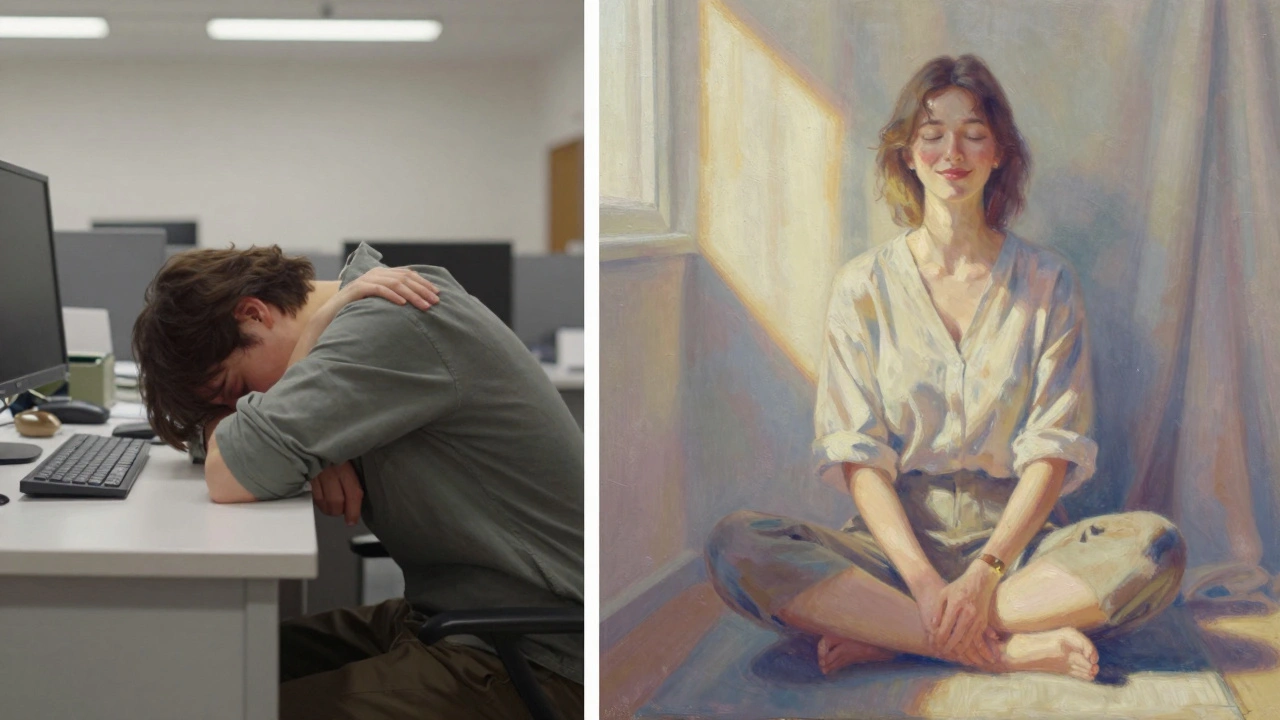
- Before-and-after comparison: one image of someone hunched over a desk, another smiling after a session, relaxed posture.
- A traditional Thai massage room with wooden floors, incense, and soft fabrics - peaceful, uncluttered.
- A couple lying side-by-side on mats, one giving reflexology to the other’s foot - quiet, intimate moment.
Suggested Tables
- Comparison of Thai Massage and Reflexology with Other Modalities
- Key Benefits of Thai Massage and Reflexology
- Safety Tips for Thai Massage and Reflexology