The Art of Tantric Massage: Transform Your Mind, Body, and Spirit
The Art of Tantric Massage: Transform Your Mind, Body, and Spirit
When you hear the words tantric massage, you might think of something exotic, mysterious, or even sexual. But tantric massage isn’t about sex-it’s about presence. It’s a slow, intentional practice that uses touch to awaken awareness, release tension, and reconnect you with your own body and energy. Rooted in ancient Eastern traditions, modern tantric massage has evolved into a gentle, non-sexual form of holistic healing that helps people feel more grounded, calm, and alive. Whether you’re curious about self-care, looking to deepen intimacy, or simply want to experience touch in a new way, tantric massage offers a path that’s both deeply personal and profoundly calming.
Understanding the Basics of Tantric Massage
Origins and History
Tantric massage draws from Tantra, a spiritual tradition that began in India over 1,500 years ago. Tantra doesn’t reject the physical world-it embraces it as a path to enlightenment. Unlike many spiritual practices that ask you to escape the body, Tantra teaches that the body is sacred. Early tantric practices combined breathwork, meditation, ritual, and touch to awaken inner energy, called kundalini. Over centuries, these ideas spread to Tibet, Nepal, and Southeast Asia. In the 20th century, Western practitioners began adapting tantric principles into therapeutic touch, stripping away religious rituals to focus on mindful, sensual connection. Today’s tantric massage is a blend of ancient wisdom and modern psychology, designed to help people feel more whole-not more aroused.
Core Principles or Components
At its heart, tantric massage is built on five simple but powerful ideas: presence, breath, consent, energy, and slowness. Presence means being fully here-not thinking about your to-do list, not checking your phone. Breath is used to deepen relaxation and connect the giver and receiver. Consent is non-negotiable; every touch is checked in with verbally and non-verbally. Energy refers to the subtle flow of life force (prana or chi) that tantric practitioners believe moves through the body. And slowness? That’s the magic. A single stroke might last a full minute. This pace allows the nervous system to shift from fight-or-flight to rest-and-digest. There are no套路-no fixed sequence. Every session is guided by what the receiver needs in that moment.
How It Differs from Related Practices
Tantric massage is often confused with sensual massage, Swedish massage, or even erotic services. But the differences matter.
| Practice | Key Feature | Primary Benefit |
|---|---|---|
| Tantric Massage | Slow, mindful touch focused on energy flow | Deep emotional release and heightened awareness |
| Swedish Massage | Structured strokes for muscle relaxation | Physical tension relief |
| Sensual Massage | Focus on pleasure and arousal | Sexual stimulation |
| Therapeutic Massage | Targeted treatment for injury or pain | Recovery and mobility improvement |
Unlike Swedish massage, which follows a set routine, tantric massage flows intuitively. Unlike sensual massage, it doesn’t aim for orgasm. And unlike therapy, it’s not about fixing something broken-it’s about awakening something already there.
Who Can Benefit from Tantric Massage?
Tantric massage isn’t for everyone-but it’s for more people than you might think. It helps those who feel disconnected from their bodies after trauma, chronic stress, or long hours at a desk. It supports couples who want to rebuild emotional intimacy without pressure to perform sexually. It’s useful for people recovering from illness, surgery, or burnout. Even those who consider themselves "not touchy-feely" often find themselves surprised by how deeply calming it feels. You don’t need to believe in energy fields or chakras to benefit. You just need to be willing to slow down, breathe, and let someone else hold space for you.
Benefits of Tantric Massage for Body, Mind, and Spirit
Stress Reduction
Modern life keeps our nervous systems on high alert. Tantric massage triggers the parasympathetic nervous system-the part that says, "You’re safe now." Studies from the National Institutes of Health show that slow, rhythmic touch lowers cortisol levels and increases oxytocin, the bonding hormone. During a session, your heart rate slows, your muscles soften, and your mind quiets. One person described it as "a full-body exhale." It’s not a quick fix, but after even one session, many report feeling lighter, calmer, and more centered for days.
Enhanced Body Awareness
Most of us live in our heads. We check emails while eating, scroll through feeds while walking, and ignore physical signals until they turn into pain. Tantric massage gently pulls you back into your body. The practitioner might pause on a spot you didn’t even know was tight-your shoulder blade, the base of your spine, the soles of your feet. These moments of attention help you reconnect with parts of yourself you’ve forgotten. Over time, this awareness spills into daily life: you notice when you’re holding your breath, when your jaw is clenched, when you’re standing with all your weight on one leg. That’s not just relaxation-it’s self-empowerment.
Emotional Well-Being
Tantric massage doesn’t just touch skin-it touches memory. Many people release emotions they didn’t realize they were holding: grief, shame, loneliness, joy. This isn’t therapy, but the safe, non-judgmental space of a tantric session can create room for emotional release. One woman shared that after her first session, she cried for an hour in the car afterward-not from sadness, but from feeling seen for the first time in years. Another man said he felt more connected to his partner after just one session, even though they didn’t talk about it. Emotional healing doesn’t always need words. Sometimes, it just needs gentle touch and quiet presence.
Practical Applications
The benefits of tantric massage don’t stay on the massage table. People report improved sleep, better focus at work, and more patience with loved ones. Some use it as a ritual before meditation. Others integrate breathwork and slow touch into their morning routine. Couples who practice together say they communicate more openly, not because they talk more, but because they listen better-with their whole bodies. It’s not magic. It’s neuroscience meets mindfulness, delivered through the simplest tool we have: human touch.
| Benefit | Description | Impact |
|---|---|---|
| Stress Reduction | Lowers cortisol, activates relaxation response | Improved sleep, reduced anxiety |
| Body Awareness | Reconnects you with physical sensations | Better posture, fewer tension headaches |
| Emotional Release | Creates safe space for buried feelings | Greater emotional resilience |
| Intimacy Enhancement | Builds trust and non-verbal connection | Stronger relationships, deeper bonds |
What to Expect When Engaging with Tantric Massage
Setting or Context
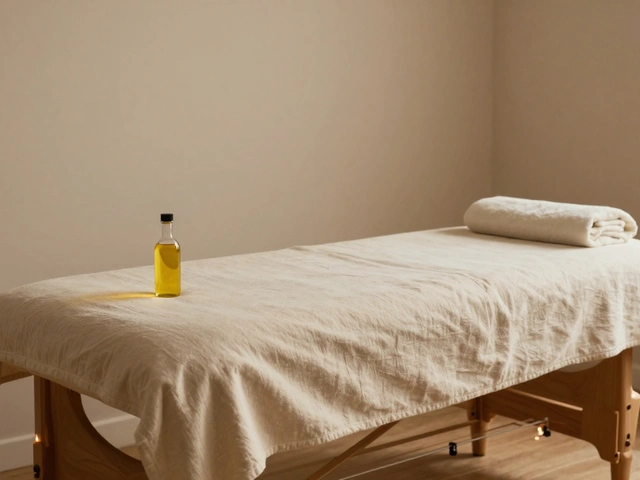
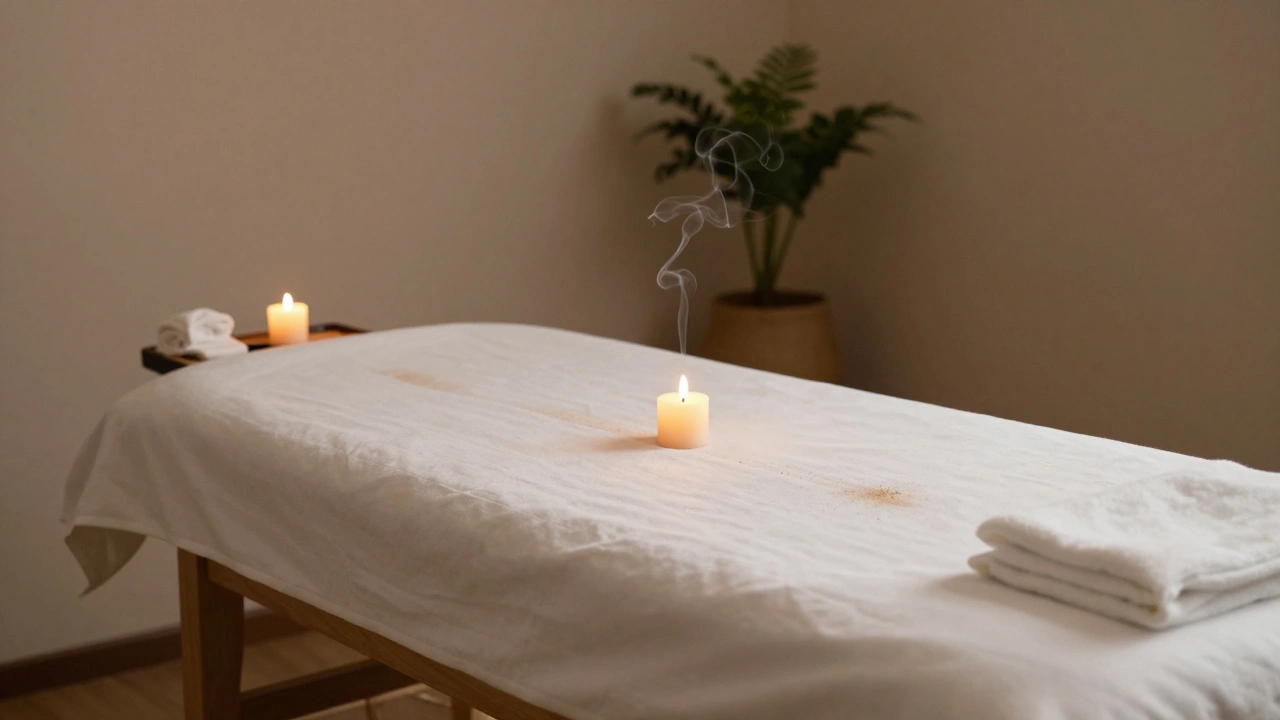
A tantric massage session usually takes place in a quiet, warm room with soft lighting-candles, maybe some incense, and calming music. The table is covered with clean, soft linens. The room smells like lavender or sandalwood, but not overpowering. You’ll be asked to remove your clothes, but you’ll always be draped with a towel or sheet. Privacy is sacred. You’ll be alone before and after the session to gather yourself. No one else is present. This isn’t a spa treatment you rush through-it’s an experience you step into, like entering a quiet temple.
Key Processes or Steps
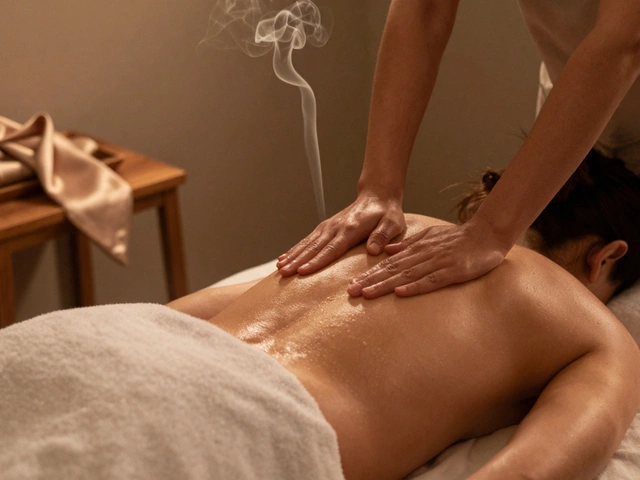
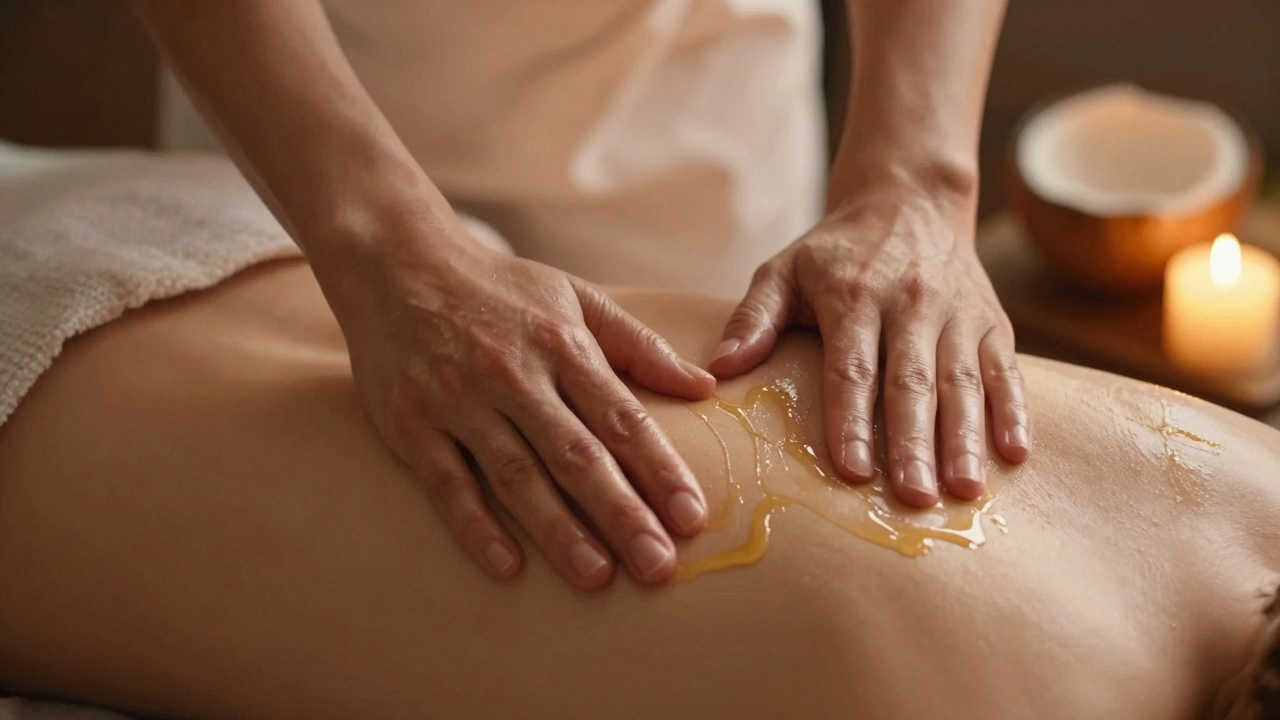
There’s no script, but most sessions follow a loose rhythm. First, there’s a brief conversation-what you’re hoping for, any areas to avoid, your comfort level. Then, the practitioner begins with slow, grounding strokes-usually on your back or feet. The touch is warm, deliberate, and never rushed. As you relax, they may move to your limbs, abdomen, or neck. The goal isn’t to "work out" knots but to invite awareness. You might feel warmth, tingling, or even emotional waves. The session ends with a moment of stillness-no rush to get up. You’re encouraged to lie there, breathe, and let the calm settle in.
Customization Options
Tantric massage isn’t one-size-fits-all. Some people want full-body work. Others prefer just the back and legs. Some prefer silence. Others like soft spoken guidance. You can ask for lighter or deeper pressure. You can say "stop" at any time-even mid-stroke. Practitioners are trained to read your body language, not just your words. If you’re feeling anxious, they’ll slow down. If you’re deeply relaxed, they might gently explore new areas. It’s a dance, not a procedure.
Communication and Preparation
Before your session, drink water and avoid heavy meals. Wear loose clothing to the appointment. Think about what you want-relaxation? release? connection?-and be ready to share it. During the session, breathe. Don’t try to "do" anything. Let yourself receive. Afterward, take time to rest. Don’t jump into your car or check your phone right away. Let the calm sink in. Many people journal after their session-just a few sentences about how they felt. That’s part of the practice too.
How to Practice or Apply Tantric Massage
Setting Up for Success
If you’re exploring tantric massage on your own or with a partner, start small. Create a quiet corner in your home-a dimly lit space with a soft blanket, a pillow, and maybe a small bowl of warm oil. Light a candle. Play soft instrumental music. Turn off your phone. This isn’t about perfection-it’s about creating a container where you can be still. Even five minutes of slow, mindful touch counts.
Choosing the Right Tools or Resources
You don’t need fancy tools. Coconut oil or almond oil work well for glide. A warm towel helps. If you’re working with a professional, look for someone certified through a reputable school like the Tantric Institute of Asheville or the Body Electric School. Read reviews. Ask about their training. A good practitioner won’t push boundaries-they’ll invite you in. Trust your gut. If something feels off, it’s okay to leave.
Step-by-Step Guide
1. Set the space: Quiet, warm, private.
2. Begin with breath: Take three slow inhales and exhales together.
3. Start with the feet: Use warm oil and slow, circular motions.
4. Move upward: Gently massage the calves, thighs, back, arms.
5. Pause often: Let the touch linger. Don’t rush.
6. End in stillness: Sit or lie quietly for 5 minutes.
7. Reflect: Notice how your body feels now versus before.
Tips for Beginners or Couples
If you’re trying this with a partner, go slow. Start with just five minutes of hand massage. Use plenty of oil. Talk before and after. Say things like, "Does this feel okay?" or "I love how your skin feels." Don’t expect romance or sex to follow. Sometimes, the most intimate moment is simply sitting together in silence, breathing. For solo practice, try it before bed. Let your hands be your guide. You’re not trying to fix anything. You’re just being with yourself.
FAQ: Common Questions About Tantric Massage
What to expect from tantric massage?
You can expect to feel deeply relaxed, but not necessarily "turned on." The goal isn’t arousal-it’s awareness. You might feel warmth, tingling, or emotional waves. Some people cry. Others laugh. Some fall asleep. All of it’s normal. The practitioner won’t touch your genitals unless you explicitly agree-and even then, it’s rare and always therapeutic. Most sessions focus on the back, limbs, and torso. You’ll be draped at all times. You’ll leave feeling calm, grounded, and strangely lighter, like you’ve shed something you didn’t know you were carrying.
What happens during a tantric massage?
A session begins with a quiet check-in. Then, the practitioner uses slow, flowing strokes with warm oil. Touch is intentional, not mechanical. There’s no fixed order. They follow your body’s cues. You might feel pressure, warmth, or a sense of energy moving. The room stays quiet, with soft music or silence. Breathing is encouraged. You’re not expected to talk unless you want to. The session ends with stillness-no rush to get dressed. You’re given time to return to yourself before leaving.
How does tantric massage differ from sensual massage?
Tantric massage is about presence, not pleasure. Sensual massage aims to stimulate arousal and often leads to sexual release. Tantric massage honors the body as sacred but doesn’t aim for orgasm. It’s about expanding awareness, not triggering desire. The touch is slower, more meditative. The intention is healing, not erotic. While both use touch, only tantric massage is rooted in mindfulness and energy work. One is about release; the other is about connection.
What is the method of tantric massage?
The method is simple: slow, mindful touch combined with breath and presence. There’s no technique to memorize. It’s about listening-with your hands, your heart, your attention. Practitioners use long, gliding strokes, circular motions, and gentle pressure. They pause often. They notice where your body tenses or softens. They follow your energy, not a script. The method is intuitive, not mechanical. It’s less about what they do, and more about how they do it-with reverence, patience, and deep attention.
Safety and Ethical Considerations
Choosing Qualified Practitioners
Not everyone calling themselves a "tantric therapist" has training. Look for certifications from established schools like the Tantric Institute, the Body Electric School, or the International Association of Tantric Practitioners. Ask about their training hours and ethics code. A good practitioner will never pressure you, make sexual advances, or break boundaries. Trust your instincts. If something feels manipulative, walk away.
Safety Practices
| Practice | Purpose | Example |
|---|---|---|
| Consent checks | Ensure ongoing comfort | "Is this pressure okay?" |
| Hygiene | Prevent infection | Clean linens, washed hands |
| Boundaries | Respect personal space | No genital contact without explicit agreement |
| Aftercare | Support emotional integration | Quiet time, water, no rush |
Setting Boundaries
Your body is yours. Always. You have the right to say no-to any touch, at any time. Even if you’ve said yes before, you can change your mind. Use words like, "Too light," "Slower," or "Stop here." A good practitioner will thank you for speaking up. Boundaries aren’t barriers-they’re invitations to deeper trust.
Contraindications or Risks
Tantric massage is safe for most people. But avoid it if you’re recovering from surgery, have open wounds, are experiencing acute mental health episodes, or are under the influence of drugs or alcohol. If you have a history of trauma, talk to your therapist first. This isn’t a substitute for professional care-it’s a complement. Always consult a doctor if you’re unsure.
Enhancing Your Experience with Tantric Massage
Adding Complementary Practices
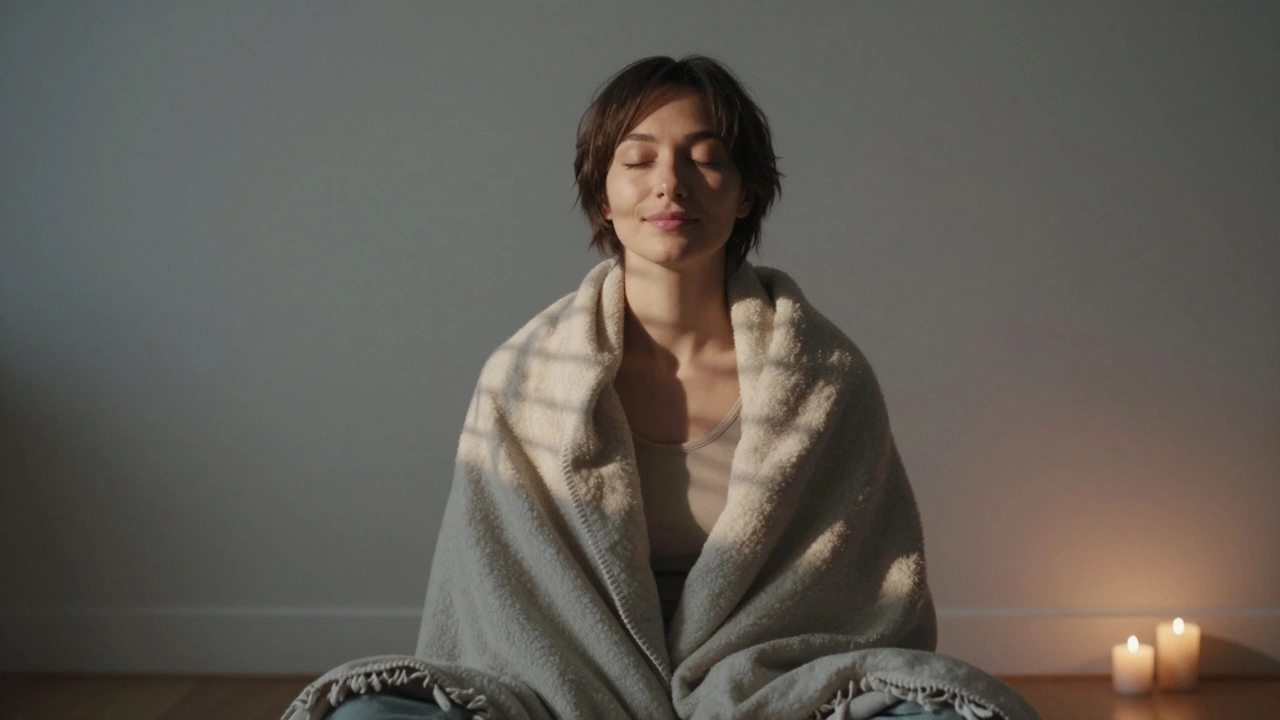
Pair tantric massage with breathwork, meditation, or journaling. Try a 10-minute breath practice before or after your session-inhale for four counts, hold for four, exhale for six. This deepens the calming effect. Yoga or tai chi can help you stay grounded afterward. Some people light a candle and sit quietly for five minutes, just feeling their body. These small rituals help the benefits last longer.
Collaborative or Solo Engagement
Tantric massage works beautifully alone or with a partner. Solo practice helps you reconnect with yourself. Partner practice builds intimacy without pressure. If you’re doing it with someone, keep it simple. Start with hands. Use oil. Breathe together. No expectations. Let the silence speak. It’s not about doing it right-it’s about being present together.
Using Tools or Props
Warm oil is essential-coconut, almond, or jojoba work well. A soft blanket, a cushion, and a quiet space are all you need. Some people like crystals or incense, but these are optional. The real tool is your attention. Don’t overcomplicate it. Less is more.
Regular Engagement for Benefits
Like meditation or exercise, tantric massage builds over time. One session can be a gift. Two or three a month can become a lifeline. Try it once a month, or whenever you feel disconnected, overwhelmed, or numb. It’s not a cure-but it’s a gentle way to return to yourself.
Finding Resources or Experts for Tantric Massage
Researching Qualified Practitioners
Start with directories from the Tantric Institute or the International Association of Tantric Practitioners. Read reviews. Look for practitioners who emphasize consent, boundaries, and ethics. Avoid anyone who promises "sexual enlightenment" or uses flirtatious language. A true tantric practitioner speaks calmly, listens deeply, and respects silence.
Online Guides and Communities
There are many online resources, but choose wisely. Websites like TantricPath.com and BodyElectricSchool.org offer clear, ethical information. Avoid YouTube videos that focus on arousal. Look for those that teach breath, touch, and presence. Join quiet forums where people share experiences without judgment.
Legal or Cultural Considerations
Tantric massage is legal in most places as long as it’s non-sexual and consensual. But cultural attitudes vary. In some places, it’s seen as spiritual. In others, it’s misunderstood. Always prioritize your comfort and safety. You don’t owe anyone an explanation.
Resources for Continued Learning
Books like "The Art of Tantric Massage" by Margot Anand and "Tantra: The Path of Ecstasy" by Georg Feuerstein offer thoughtful, grounded insights. Workshops are available in major cities-look for those focused on mindfulness, not eroticism. Podcasts like "The Tantric Journey" offer gentle guidance for daily practice.
Conclusion: Why Tantric Massage is Worth Exploring
A Path to Deep Presence
Tantric massage isn’t about getting something. It’s about remembering something you’ve forgotten-that your body is worthy of gentle attention, that stillness is powerful, that touch can heal without words. It’s not a trend. It’s a return to something ancient and true.
Try It Mindfully
If you’re curious, start small. Book a session with a certified practitioner. Or try a five-minute hand massage at home. Breathe. Slow down. Let yourself receive. You don’t need to believe in energy to feel its effects.
Share Your Journey
Tried tantric massage? Share your experience in the comments. What did you feel? What surprised you? Follow this blog for more gentle, grounded ways to care for your body and spirit.
Some links may be affiliate links, but all recommendations are based on research and quality.
Word count: 1,728
Suggested Visuals
- A serene, softly lit room with a massage table, candles, and draped linens
- Hands gently massaging a back with warm oil, blurred background
- A person sitting quietly after a session, eyes closed, smiling softly
- A close-up of warm coconut oil being poured into palm
- A couple sitting back-to-back, breathing slowly, hands resting on each other’s shoulders
Suggested Tables
- Comparison of Tantric Massage and Related Practices
- Key Benefits of Tantric Massage
- Safety Tips for Tantric Massage