The History and Evolution of Tantra Massage
Tantra massage is more than just a sensual bodywork session-it’s a slow, intentional practice rooted in ancient spiritual traditions that blend energy, breath, and touch to foster deep connection and relaxation. Unlike conventional massage, it doesn’t aim to relieve muscle tension alone. Instead, it invites you into a state of presence, where sensation becomes a doorway to awareness. Many people assume tantra massage is about sex, but it’s actually about transcending sex-turning touch into a meditative experience. Whether you’re curious, skeptical, or already drawn to it, understanding its roots helps you appreciate what it truly offers today.
Understanding the Basics of Tantra Massage
Origins and History
Tantra massage traces its roots to ancient Indian spiritual systems that emerged between 500 and 1000 CE. The word "tantra" comes from Sanskrit, meaning "loom" or "weave," reflecting how it weaves together body, mind, and spirit. Early tantric practices were part of broader spiritual paths in Hinduism and Buddhism, focused on awakening dormant energy (kundalini) through rituals, breathwork, and sacred touch. These practices were often kept secret, passed down through lineages of teachers and students. By the 20th century, Western interest in Eastern spirituality led to reinterpretations of tantra. In the 1960s and 70s, figures like Osho popularized tantric techniques in the West, shifting focus toward sexuality as a path to enlightenment. This sparked both fascination and misunderstanding. What began as a spiritual discipline became, in many circles, synonymous with erotic massage. Modern tantra massage is a hybrid: it honors its ancient roots while adapting to contemporary needs for relaxation, emotional release, and mindful intimacy.Core Principles or Components
Tantra massage rests on three core principles: presence, energy, and consent. Presence means staying fully in the moment-no rushing, no goals, just sensing. Energy refers to the belief that life force (prana or chi) flows through the body, and touch can help move blocked or stagnant energy. Consent isn’t just about permission-it’s an ongoing dialogue. Every touch is offered, not taken. The recipient guides the experience through non-verbal cues and verbal check-ins. Breath is central. Slow, deep breathing synchronizes the giver and receiver, creating a shared rhythm. Movements are deliberate, often circular or flowing, not kneading or pounding. Oil is used not just for glide, but as a sensory anchor-warm, fragrant, and grounding. The entire body is touched, including erogenous zones, but not with the goal of orgasm. Instead, pleasure is expanded into a full-body wave of sensation, encouraging release without pressure to "perform."How It Differs from Related Practices
| Practice | Key Feature | Primary Benefit |
|---|---|---|
| Tantra Massage | Energy-based, slow, non-goal-oriented touch | Emotional release and heightened awareness |
| Swedish Massage | Muscle relaxation through pressure and strokes | Pain relief and physical relaxation |
| Sexual Massage | Focus on arousal and orgasm | Sexual satisfaction |
| Reiki | Non-contact energy healing | Stress reduction through energy balancing |
Who Can Benefit from Tantra Massage?
Tantra massage isn’t for everyone-and that’s okay. It works best for people seeking more than physical relaxation. If you’ve ever felt disconnected from your body, struggled with sexual shame, or longed for deeper intimacy without pressure, this practice can be transformative. It’s especially helpful for those recovering from trauma, experiencing low libido, or feeling emotionally numb. You don’t need to be in a relationship to benefit. Many individuals use it as a tool for self-reconnection. It’s also popular among couples looking to rebuild trust and non-verbal communication. The only requirement? An open mind and willingness to slow down.Benefits of Tantra Massage for Body and Mind
Stress Reduction
The slow, rhythmic touch of tantra massage activates the parasympathetic nervous system-the part of your body that says, "It’s safe to relax." Unlike fast-paced massages that leave you feeling briefly soothed, tantra massage lingers. This prolonged state of calm lowers cortisol levels and reduces heart rate. People often report feeling lighter, as if a weight they didn’t know they were carrying has dissolved. Research suggests that prolonged, non-sexual touch can increase oxytocin, the bonding hormone, which naturally combats anxiety. It’s not a quick fix, but over time, regular sessions can retrain your nervous system to respond to stress with more ease.Enhanced Body Awareness
Most of us live in our heads. Tantra massage brings you back into your body. Through gentle, intentional touch, you start noticing sensations you’ve ignored for years-the warmth of your skin, the pulse in your wrist, the subtle shift in breath when touched near your hip. This isn’t about arousal; it’s about reawakening sensation. Many clients say they start noticing how their clothes feel, how their feet connect with the floor, or even how their jaw tightens when stressed. This heightened awareness doesn’t just stay on the massage table-it spills into daily life, helping you recognize tension before it becomes pain.Emotional Well-Being
Tantra massage often unlocks emotions buried under years of suppression. Tears, laughter, or silence during a session aren’t unusual. Because the practice encourages surrender, it creates space for emotions to surface without judgment. People who’ve experienced trauma, grief, or emotional neglect often find tantra massage helps them reconnect with their inner self. It doesn’t replace therapy, but it can be a powerful complement. One woman I spoke with said, "It was the first time I felt held without being fixed." That’s the magic-it doesn’t fix you. It reminds you you’re already whole.Practical Applications
| Benefit | Description | Impact |
|---|---|---|
| Improved intimacy | Builds trust and non-verbal connection with partners | Stronger emotional bonds |
| Reduced performance anxiety | Removes pressure to "achieve" sexual outcomes | More relaxed, present sexuality |
| Increased mindfulness | Teaches presence through touch and breath | Better focus in daily tasks |
| Self-acceptance | Normalizes pleasure without shame | Healthier relationship with body |
What to Expect When Engaging with Tantra Massage
Setting or Context
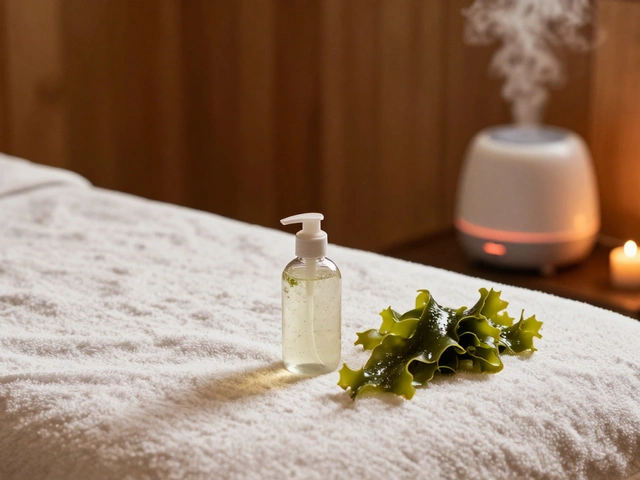
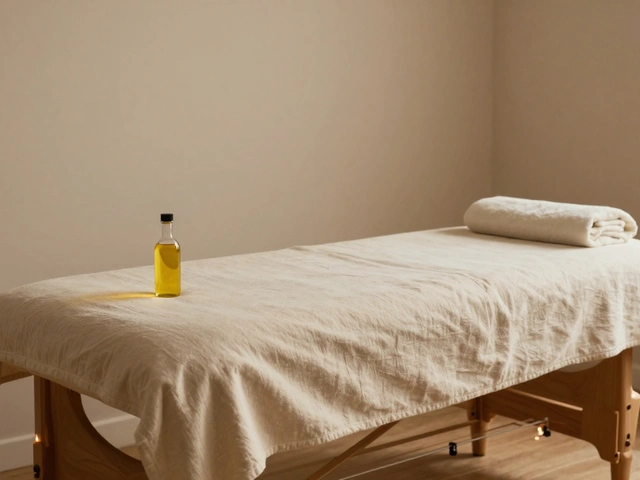
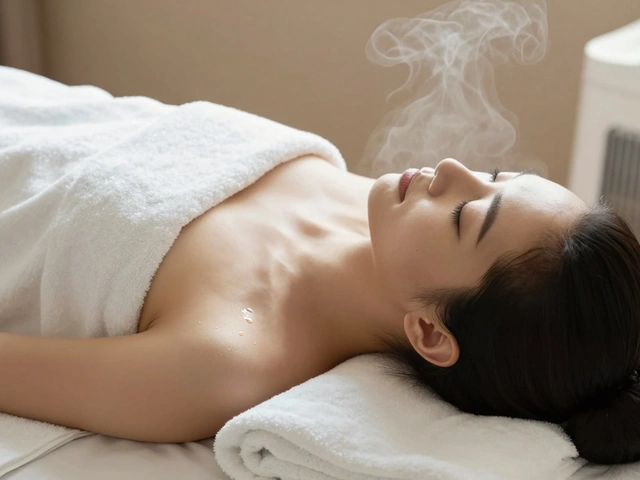
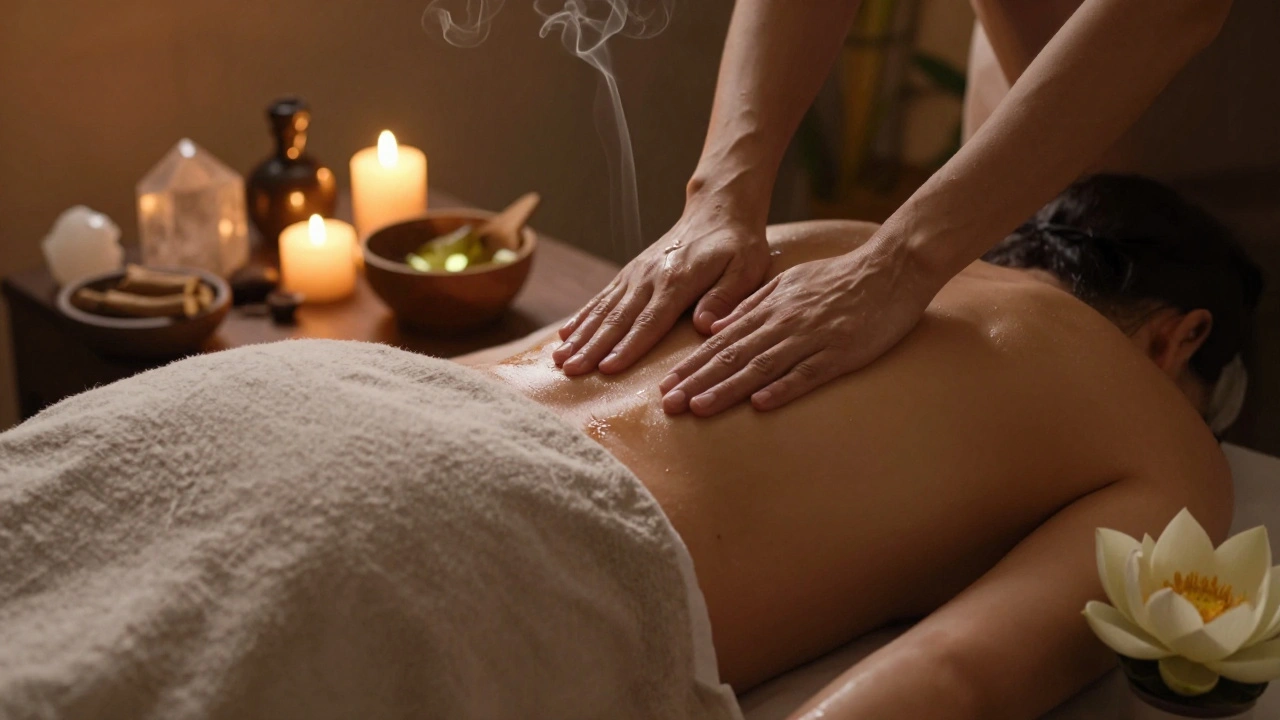
A tantra massage session typically happens in a quiet, dimly lit room with soft lighting-candles, maybe a few crystals or incense. The temperature is warm, and the floor is covered with plush mats or a heated massage table. The air smells faintly of sandalwood or lavender. There’s no clock. No music, or just ambient tones. The space feels sacred, not clinical. You’ll likely be asked to shower beforehand, not just for hygiene, but to symbolically wash away the outside world. You’ll lie on the table, covered with a warm towel, and the practitioner will begin with a silent breath exchange-just inhaling and exhaling together for a minute or two. This sets the tone: you’re not being serviced. You’re being held.Key Processes or Steps
The session usually lasts 60 to 90 minutes. It starts with grounding-gentle strokes on the back, shoulders, and feet. Then, the touch moves slowly upward, never rushing. Oil is warmed and applied with intention. The practitioner may pause to check in, asking, "How does this feel?" or simply offering silence. As the session progresses, touch may extend to the abdomen, inner thighs, or genital area-but always with consent. The goal isn’t stimulation. It’s observation. You’re invited to notice what arises without labeling it good or bad. Some people feel tingling, warmth, or even emotional surges. Others feel nothing at first-and that’s okay too. The practice isn’t about what you feel, but about being with what’s there.Customization Options
No two tantra massage sessions are the same. Some practitioners focus on energy flow, using minimal touch and more breath guidance. Others incorporate sound, like toning or chanting. Some use sacred geometry patterns in their hand movements. You can request a session that avoids certain areas, or one that includes more emotional release work. If you’re nervous, ask for a shorter session first-30 minutes is common for newcomers. You can also choose a same-gender practitioner if that makes you more comfortable. The practice adapts to you, not the other way around.Communication and Preparation
Before your session, most practitioners will ask you to fill out a brief intake form. This isn’t just medical-it’s about boundaries, triggers, and intentions. You’ll be asked: "What are you hoping to release?" or "What would make you feel safe?" This isn’t performative. It’s essential. During the session, you can say "stop," "slower," or "more pressure" at any time. A good practitioner will thank you for speaking up. Afterward, you’ll be offered water, a quiet space to rest, and maybe a journal prompt: "What did your body teach you today?" There’s no rush to leave. In fact, the integration-just sitting with the experience-is part of the healing.How to Practice or Apply Tantra Massage
Setting Up for Success
If you’re exploring tantra massage at home-with a partner or alone-you don’t need fancy tools. A warm room, a soft blanket, and a few drops of coconut or almond oil are enough. Light candles. Play no music, or just ambient nature sounds. Put your phone in another room. This isn’t a luxury-it’s a ritual. The key is intention. Before you begin, take three slow breaths together. Say aloud: "This is a space of safety." Then, let go of expectations. Touch doesn’t have to lead anywhere. Just be there.Choosing the Right Tools/Resources
If you’re seeking a professional session, look for practitioners certified by organizations like the International Tantric Association or the Tantric Healing Institute. Avoid those who advertise "erotic" or "sexual" services-true tantra is not about sex. Read reviews that mention emotional safety, not just "amazing orgasm." Ask if they offer a consultation beforehand. A reputable practitioner will welcome questions about their training, philosophy, and boundaries. Trust your gut. If something feels off, walk away. Your comfort is non-negotiable.Step-by-Step Guide
- Set the space: Warm, quiet, dim, with oil and towels ready.
- Begin with breath: Sit or lie side by side. Breathe together for 2 minutes.
- Start with non-erogenous zones: Hands, feet, back-slow, circular strokes.
- Pause often: Ask, "How is this feeling?" or simply notice the silence.
- Move slowly upward: Let touch drift toward the belly and inner thighs only if both are comfortable.
- Stay present: If thoughts arise, gently return to the sensation of touch.
- End with stillness: Don’t rush to talk. Sit quietly for 5-10 minutes after.
Tips for Beginners or Couples
If you’re new to this, start with a professional session. It’s safer and more revealing than trying it alone. If you’re doing it with a partner, go slow. Don’t aim for orgasm. Focus on the texture of skin, the warmth of breath, the rhythm of touch. Use words like "I notice," "I feel," or "This reminds me of..." instead of "I want." And remember: silence is okay. In fact, it’s powerful. Many couples say their deepest conversations happen not during sex, but after a tantra session-when words aren’t needed.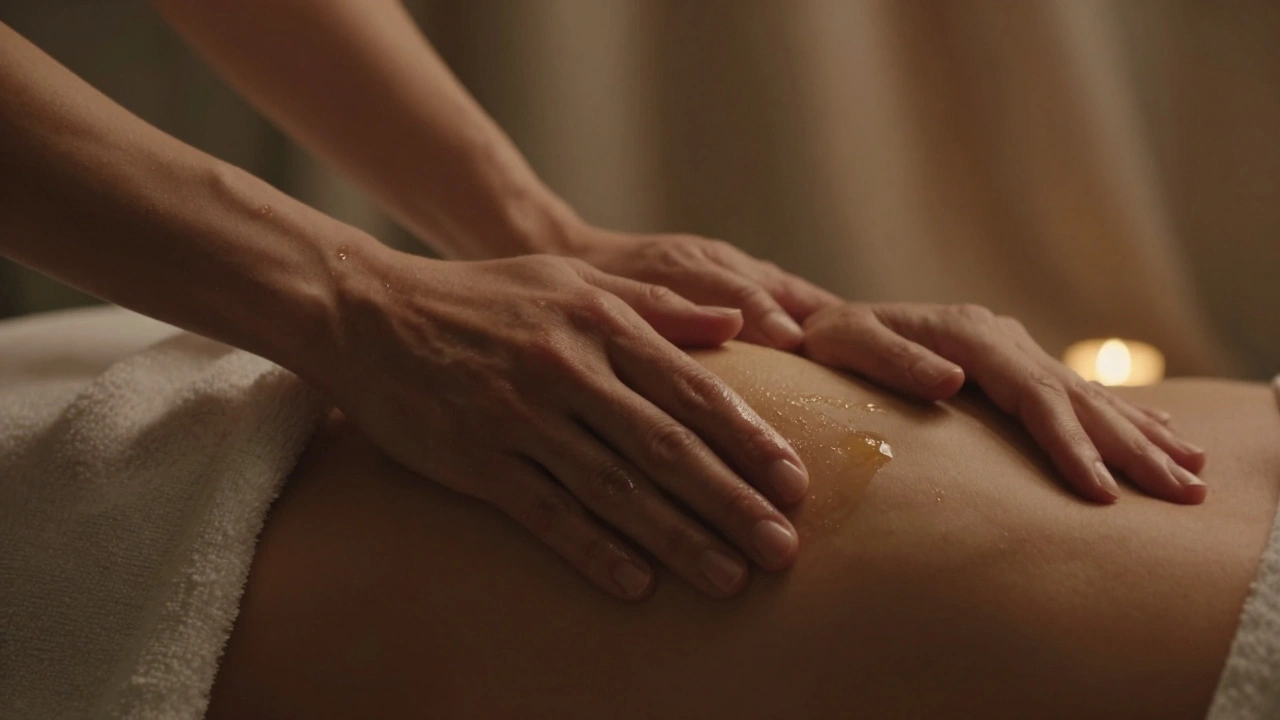
FAQ: Common Questions About Tantra Massage
What to expect from tantra massage?
You won’t be told what to do, or what to feel. The experience is entirely yours. Some people cry. Others laugh. Some feel nothing at first. That’s normal. The touch is slow, warm, and non-invasive. You’ll likely feel deeply relaxed, maybe even dazed afterward. There’s no orgasm goal, no performance pressure. The practitioner won’t judge your reactions. You’re there to receive, not to impress. Afterward, you might feel lighter, more connected to your body, or strangely emotional. That’s part of the process.What happens during a tantra massage session?
A typical session begins with a quiet check-in. Then, you’ll lie on a heated table, covered with a towel. The practitioner starts with gentle strokes on your back, arms, and legs. Touch moves slowly, often in circular motions. Oil is used to enhance sensation. As you relax, touch may extend to sensitive areas-but only with your ongoing consent. The practitioner may use breathwork, sound, or silence to deepen your awareness. There’s no climax, no finish line. The session ends with stillness, and often, a moment to sit quietly with your thoughts.How does tantra massage differ from regular massage?
Regular massage targets muscles. Tantra massage targets awareness. A Swedish massage aims to release knots; tantra massage aims to release stored emotion. The pace is slower, the touch more intentional. No music, no talking, no clock. You’re not being fixed-you’re being witnessed. The practitioner doesn’t diagnose or adjust. They simply hold space. And while regular massage might leave you feeling refreshed, tantra massage can leave you feeling transformed.What is the method of tantra massage?
The method is simple: slow, conscious touch guided by breath. There’s no fixed sequence. Each movement flows from the last, based on what the body reveals. Energy is moved not by force, but by presence. The giver stays fully attentive, noticing subtle shifts in breath, muscle tension, or skin temperature. The receiver is invited to do the same. It’s less about technique and more about intention. The method works because it’s not trying to change anything. It’s simply allowing what is to be felt.Safety and Ethical Considerations
Choosing Qualified Practitioners/Resources
Not everyone who calls themselves a tantra practitioner is trained. Look for those who’ve completed at least 100 hours of certified training, with emphasis on ethics, boundaries, and trauma-informed care. Ask about their background. Do they come from a spiritual lineage? Are they affiliated with a recognized body like the Tantric Healing Institute? Avoid those who sell "tantric sex" packages or pressure you into extra services. A true tantra practitioner will prioritize your safety over profit.Safety Practices
| Practice | Purpose | Example |
|---|---|---|
| Consent check-ins | Ensure ongoing comfort | "Is this okay?" before moving to new areas |
| Hygiene | Prevent infection | Disinfected tools, fresh linens, handwashing |
| Boundaries | Protect emotional safety | No sexual contact, no private messages after |
Setting Boundaries
Your boundaries are sacred. You can say no to any touch, at any time. You can ask for more pressure, less oil, or to stop entirely. A good practitioner will thank you for speaking up. If you feel pressured, confused, or manipulated-leave. Tantra is not about surrendering control. It’s about reclaiming it. Trust your instincts. If something feels off, it probably is.Contraindications or Risks
Tantra massage is generally safe, but not for everyone. Avoid it if you’re recovering from sexual trauma without professional support. If you have severe mental health conditions like psychosis or acute PTSD, consult a therapist first. It’s also not recommended if you’re pregnant without clearance from your provider. Some people feel emotionally overwhelmed afterward. That’s normal-but if it persists, talk to someone. Always disclose medical conditions before a session.Enhancing Your Experience with Tantra Massage
Adding Complementary Practices
Pair tantra massage with breathwork, meditation, or journaling. After a session, sit quietly and write down what came up. Try 5 minutes of mindful breathing each morning. These practices deepen the effects. Yoga, especially yin or restorative styles, can help you stay grounded. You don’t need to do them all-just one that resonates.Collaborative or Solo Engagement
Tantra massage can be done alone or with a partner. Solo sessions are powerful for self-reconnection. Use a mirror, gentle touch, and focus on areas you usually avoid. With a partner, it’s about deepening non-sexual intimacy. No penetration. No pressure. Just presence. Both versions are valid. Choose what feels right for you.Using Tools or Props
A heated massage table helps. Soft blankets, eye pillows, and essential oil diffusers enhance the experience. A silk scarf can be used as a blindfold to deepen sensation. But tools aren’t the point. The most important tool is your attention.Regular Engagement for Benefits
Like any practice, consistency matters. One session can shift your perspective. Two or three can change your relationship with your body. Try one session a month. Let it sink in. Don’t chase results. Just show up.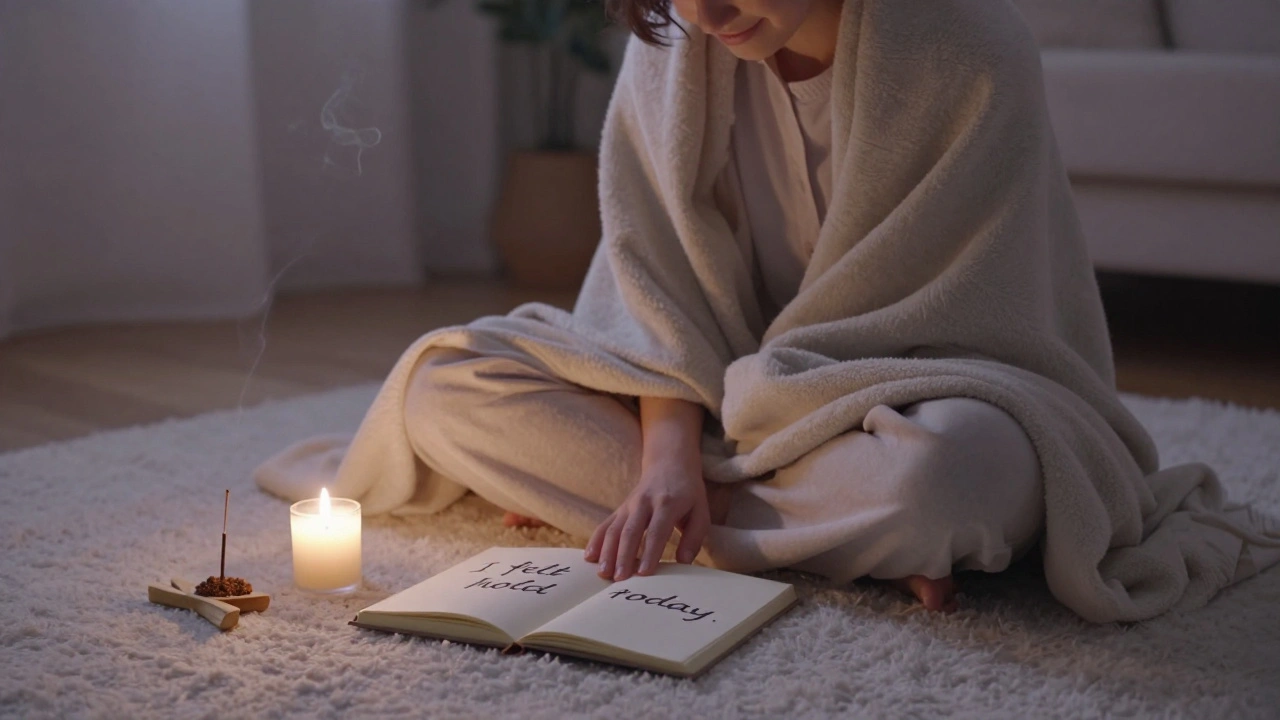
Finding Resources or Experts for Tantra Massage
Researching Qualified Practitioners/Resources
Start with directories from the International Tantric Association or the European Tantra Network. Read reviews carefully-look for mentions of safety, professionalism, and emotional support. Avoid those who use overly sexualized language. A trustworthy practitioner will be transparent about training, fees, and boundaries.Online Guides and Communities
Websites like Tantric Healing Institute offers certified training and ethical guidelines for tantric practitioners provide reliable information. Online forums like Reddit’s r/Tantra offer peer support, but be cautious-some content is misleading. Stick to sources grounded in ethics, not titillation.Legal or Cultural Considerations
In many countries, tantra massage is legal as long as it’s non-sexual. But laws vary. Always check local regulations. Culturally, tantra is often misunderstood. Some communities view it as taboo. Approach it with respect-for the tradition, and for your own journey.Resources for Continued Learning
Books like "The Art of Sexual Tantra" by Margot Anand and "Tantra: The Path of Ecstasy" by Georg Feuerstein offer thoughtful introductions. Podcasts like "The Tantric Way" feature interviews with ethical practitioners. Workshops in cities like Bristol, Berlin, or Portland often offer introductory sessions.Conclusion: Why Tantra Massage is Worth Exploring
A Path to Presence
Tantra massage isn’t about sex. It’s not about relaxation alone. It’s about coming home to your body-not to fix it, but to listen to it. In a world that rushes, it offers stillness. In a world that judges, it offers acceptance. It doesn’t promise miracles. But it does offer something rarer: the quiet, profound feeling of being held, exactly as you are.Try It Mindfully
If you’re curious, start with a single session. Choose a certified practitioner. Go without expectations. Let it unfold. You might not understand it right away. That’s okay. The practice isn’t about understanding. It’s about feeling.Share Your Journey
Tried tantra massage? Share your experience in the comments-we’d love to hear how it changed you. Follow this blog for more mindful practices that bring you back to yourself.Some links may be affiliate links, but all recommendations are based on research and quality.
Word count: 1,732
Suggested Visuals
- A softly lit room with candles, a massage table, and a draped blanket
- A pair of hands gently touching a back with warm oil, no faces visible
- A person sitting quietly after a session, eyes closed, smiling softly
- A close-up of sandalwood oil being poured into a wooden bowl
- A journal with a pen beside it, open to a page that reads "I felt held today"
Suggested Tables
- Comparison of Tantra Massage with Other Bodywork Practices
- Key Benefits of Tantra Massage
- Safety Practices in Tantra Massage