The Ultimate Guide to London Night Cafes

The Ultimate Guide to London Night Cafes
There’s something special about a London night cafe when the city quiets down but the lights stay on. While most people think of pubs and clubs when it comes to London after dark, the real hidden gem is the quiet, warm, coffee-scented haven that stays open when everything else has locked up. Whether you’re a night owl, a shift worker, a writer chasing inspiration, or just someone who hates the idea of going home before 2 a.m., a London night cafe offers more than caffeine-it offers space, calm, and connection in a city that rarely sleeps.
Understanding the Basics of London Night Cafes
Origins and History
The idea of a cafe staying open all night isn’t new in London. In the 1950s and 60s, all-night cafés were common in areas like Soho and the East End, catering to dockworkers, artists, and jazz musicians. These weren’t fancy places-they were greasy spoon joints with strong tea, fried eggs, and cigarette smoke. But they were lifelines. Fast forward to today, and the modern London night cafe has evolved. It’s less about bacon sandwiches and more about single-origin pour-overs, vegan pastries, and ambient jazz playlists. The spirit remains the same: a refuge for those who live outside the 9-to-5 rhythm.
Core Principles or Components
A true London night cafe isn’t defined by its decor or price tag. It’s defined by its rhythm. The core components are simple: good coffee, comfortable seating, soft lighting, and no rush. You won’t find staff hovering over your table asking if you want dessert. You’ll find someone quietly refilling your water, a playlist that doesn’t drown out your thoughts, and the occasional nod from a stranger who’s been there since midnight. Many also offer late-night snacks-think sourdough toast with miso butter, spiced nuts, or dark chocolate brownies. The goal isn’t to sell you more, but to make you feel at home.
How It Differs from Related Practices
London night cafes aren’t bars, pubs, or 24-hour diners. They’re something quieter, slower, and more intentional.
| Spot Type | Key Feature | Primary Benefit |
|---|---|---|
| London Night Cafe | Quiet, calm, no alcohol focus | Space to think, read, or unwind |
| Pub or Bar | Loud music, alcohol service, social energy | Connection through drinking and talking |
| 24-Hour Diner | Fast service, greasy food, bright lights | Quick, cheap meals |
| Co-working Space | Business-focused, Wi-Fi, desks | Productivity |
Who Can Benefit from London Night Cafes?
Almost everyone. Students pulling all-nighters. Nurses ending a 12-hour shift. Freelancers chasing deadlines. Travelers with jet lag. People grieving, thinking, or just needing quiet company. You don’t need to be a coffee expert or a night person to enjoy it. If you’ve ever felt too wired to sleep but too tired to be social, a night cafe is your sweet spot. It doesn’t ask you to perform. It just lets you be.
Benefits of London Night Cafes for Mind and Routine
Stress Reduction
Studies show that low-light environments with soft sounds reduce cortisol levels. A London night cafe, with its dim lamps, muffled chatter, and gentle hum of the espresso machine, creates a sensory buffer against the city’s chaos. Think of it as a mental reset button. You walk in tired, overwhelmed, maybe a little lost-and you leave with a warm cup in hand, your thoughts a little clearer. It’s not therapy, but it feels like it.
Enhanced Focus and Creativity
Many writers, coders, and artists swear by night cafes. The absence of daytime distractions-no emails, no meetings, no small talk-creates a rare kind of mental space. The background noise isn’t silence, but it’s not overwhelming either. It’s the perfect “white noise” for deep work. One regular at The Nightjar in Hackney told me he’s written three novels in night cafes. Not because they’re magical, but because they’re predictable. You know what to expect. That predictability is calming.
Emotional Well-Being
Loneliness hits harder at night. A night cafe offers connection without pressure. You might sit next to someone for hours and never speak. But you’ll smile at them when they refill their mug. That silent understanding matters. For people who feel isolated-new in the city, recently divorced, or just introverted-these spaces are emotional anchors. You’re not alone, even if you’re sitting alone.
Practical Applications
These cafes aren’t just for deep thinking. They’re practical. If you miss the last Tube, you can wait it out with a book. If your partner’s on a night shift, you can meet there after their shift ends. If you’re stuck in London for a layover, it’s better than a sterile airport lounge. And if you’re just not ready to go to bed? You’ve got a place that won’t judge you for staying until dawn.
| Benefit | Description | Impact |
|---|---|---|
| Quiet Productivity | Minimal distractions, ideal for focused work | Boosts output without burnout |
| Safe Late-Night Space | Well-lit, staffed, and welcoming after hours | Reduces anxiety for night workers |
| Community Without Pressure | Shared space, no obligation to interact | Reduces feelings of isolation |
| Consistent Routine Anchor | Same place, same vibe, every night | Creates stability for irregular schedules |
What to Expect When Engaging with a London Night Cafe
Setting or Context
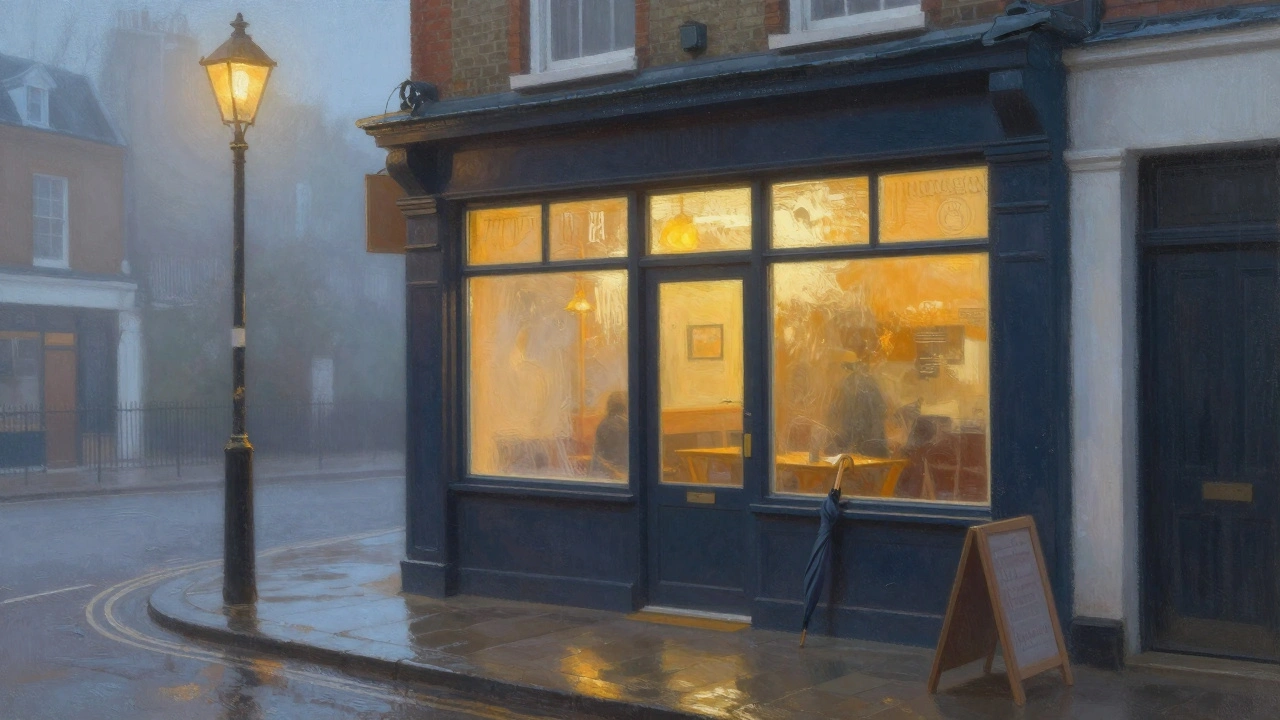
Don’t expect neon signs or booming bass. Most night cafes are tucked into quiet streets-think converted bookshops, old bakeries, or basement spots with velvet curtains. Lighting is low: Edison bulbs, table lamps, maybe a single string of fairy lights. Seating is cozy: armchairs, wooden benches, or booths with thick cushions. You’ll smell coffee, cinnamon, and sometimes the faintest hint of old paper. The vibe is “lived-in,” not “Instagram-ready.”
Key Processes or Steps
There’s no script. You walk in. You order. You sit. You read. You write. You stare out the window. Maybe you chat with the barista. Maybe you don’t. You might stay for 20 minutes or 3 hours. No one checks your watch. No one rushes you. The only rule is: don’t be loud. Everything else is up to you.
Customization Options
Most places offer vegan milk, oat milk, decaf, and sugar-free syrups. Many have gluten-free pastries. Some let you bring your own book or journal. A few even have board games in the corner for those who want to play. If you’re on a budget, you can often get a refill on hot water for free-just ask. It’s not a chain. It’s a place that knows you.
Communication and Preparation
You don’t need to prepare much. Bring a book, your phone, or nothing at all. If you’re nervous, just say hello to the barista. Most have been there for years and will remember your name by the third visit. No need to dress up. Jeans and a hoodie are perfectly fine. The only thing you should bring is an open mind-and maybe a notebook.

How to Practice or Apply London Night Cafes
Setting Up for Success
Find a place that feels right. Don’t go to the first one you find on Google. Walk in at 10 p.m. and see how it feels. Is the staff friendly? Is the music too loud? Is the seating comfortable? The right cafe will feel like a warm exhale. If it doesn’t, try another. There are dozens.
Choosing the Right Tools/Resources
You don’t need fancy gear. But if you like to work, bring a lightweight laptop or a notebook. A reusable cup helps if you plan to stay long. And if you’re sensitive to light, consider bringing a pair of blue-light-blocking glasses. Some cafes offer free Wi-Fi, but others don’t-and that’s okay. Sometimes, the best work happens without it.
Step-by-Step Guide
- Choose a time: Between 11 p.m. and 2 a.m. is the sweet spot.
- Pick a neighborhood: Soho, Hackney, Shoreditch, and Camden have the most reliable options.
- Go early enough to get a good seat, but late enough that the crowd has thinned.
- Order something simple: A flat white, herbal tea, or a piece of cake.
- Settle in. Put your phone on silent. Look around. Breathe.
- Stay as long as you want. Leave when you’re ready.
Tips for Beginners or Couples
If you’re new to this, go alone first. It’s easier to feel the vibe without distraction. If you’re going with someone, don’t talk the whole time. Let silence be part of the experience. Bring a book you’ve been meaning to read. Or just sit and watch the city outside. Night cafes aren’t about what you do-they’re about how you feel while doing it.
FAQ: Common Questions About London Night Cafes
What to expect from a London night cafe?
You can expect quiet, warmth, and a sense of calm that’s hard to find elsewhere in the city. The lights are low, the music is soft, and the staff won’t rush you. You’ll likely get a well-made coffee or tea, maybe a small snack, and plenty of space to think or rest. It’s not a party. It’s not a work meeting. It’s a pause. A breath. A moment where time slows down just enough for you to catch up with yourself.
What happens during a typical night cafe visit?
There’s no set routine. You might read, write, scroll quietly, sketch, or just stare out the window. Some people nap in the corner. Others chat with the barista about their favorite books. You might hear someone typing away on a laptop, or the soft clink of a spoon against a ceramic mug. The only constant is the absence of pressure. You’re not being sold anything. You’re not being judged. You’re just there.
How does a London night cafe differ from a pub or 24-hour diner?
A pub is about drinking and socializing. A diner is about eating fast and cheap. A London night cafe is about being still. It doesn’t serve alcohol (most of them), doesn’t have loud TVs, and doesn’t push you to order more. It’s designed for lingering, not leaving. You’ll find more books than beer mats, more quiet conversations than laughter. It’s the anti-party space-and that’s why it’s so valuable.
What is the method of a London night cafe?
There’s no method. That’s the point. It’s not a ritual. It’s a space. You don’t need to meditate, journal, or follow a schedule. Just show up. Sit down. Breathe. Drink something warm. Let the rhythm of the night carry you. The “method” is simply presence. The cafe doesn’t ask you to change. It just lets you be.
Safety and Ethical Considerations
Choosing Qualified Practitioners/Resources
There are no “practitioners,” but there are trusted spots. Look for cafes with good reviews from locals, not just tourists. Check Google Maps for recent photos and comments. Places like The Nightjar, The Little Coffee Shop in Hackney, or The Grind in Shoreditch have been around for years and are known for their consistency and care. Avoid places that feel sketchy or overly commercialized.
Safety Practices
| Practice | Purpose | Example |
|---|---|---|
| Check lighting | Ensures visibility and safety | Choose cafes with well-lit entrances and exits |
| Let someone know | Keeps you accountable | Text a friend you’re heading to a night cafe |
| Keep belongings close | Prevents theft | Don’t leave your bag unattended |
Setting Boundaries
You’re allowed to say no. If someone tries to strike up a conversation you don’t want, a polite smile and a nod is enough. You’re allowed to leave early. You’re allowed to sit alone. The cafe exists for your comfort, not to fulfill someone else’s expectations.
Contraindications or Risks
There are no medical risks. But if you’re feeling unsafe in the area, don’t go. Trust your gut. If a place feels off, leave. Also, avoid places that serve alcohol late at night if you’re trying to avoid stimulants. Stick to caffeine-free herbal teas if you’re sensitive.
Enhancing Your Experience with London Night Cafes
Adding Complementary Practices
Pair your visit with journaling, sketching, or listening to a slow playlist on headphones. Some people bring a small plant to sit beside them-something green, something alive. It’s a quiet way to feel connected. If you’re into mindfulness, try noticing five things you can see, four you can touch, three you can hear. It grounds you in the moment.
Collaborative or Solo Engagement
Both work. Solo visits are best for reflection. Group visits can be meaningful too-just keep the noise down. Bring one friend, not five. Share a pastry. Talk about books, not your day. The goal is quiet companionship, not a party.
Using Tools or Props
A journal, a pen, a reusable cup, a blanket (yes, some cafes let you bring one), and a good pair of headphones are all you need. Avoid bulky laptops if you’re just chilling. You’re not here to work-unless you want to.
Regular Engagement for Benefits
The magic happens with repetition. Go once, and it’s a novelty. Go three times, and it becomes a ritual. The same barista starts remembering your order. The same chair becomes yours. The same window becomes your view. That’s when it stops being a place and starts being a part of your rhythm.
Finding Resources or Experts for London Night Cafes
Researching Qualified Experts/Resources
Look for cafes that have been featured in local publications like Time Out London or The Guardian’s food section. Follow local coffee bloggers on Instagram-they often know the hidden gems. Ask baristas where they go after their shift. They’ll point you to the real ones.
Online Guides and Communities
Join Reddit’s r/London or Facebook groups like “London Night Owls.” People share their favorite spots, open hours, and even secret menus. Don’t rely on TripAdvisor-locals know better.
Legal or Cultural Considerations
London has no laws against late-night cafes, but some areas have noise restrictions after midnight. Good cafes respect that. Also, tipping isn’t expected, but if you feel grateful, leave a pound or two. It’s not about obligation-it’s about appreciation.
Resources for Continued Learning
Read “The Art of Stillness” by Pico Iyer. Watch the documentary “The Last Days of the Night Café.” Both capture the quiet soul of spaces like these. And if you’re curious about coffee, try “The World Atlas of Coffee” by James Hoffmann.
Conclusion: Why London Night Cafes are Worth Exploring
A Path to Quiet Joy
A London night cafe isn’t a trend. It’s a quiet rebellion against the rush. In a city that never stops, it’s one of the few places that lets you stop. It doesn’t sell you a product. It sells you peace. And that’s rare.
Try It Mindfully
Go once. Just once. Don’t go with expectations. Go with curiosity. Sit in the corner. Order something warm. Let the night wrap around you. You might not love it. But you might find something you didn’t know you needed.
Share Your Journey
Tried a London night cafe? Share your favorite spot in the comments. Follow this blog for more hidden gems in the city’s quiet corners. And if you’re ever awake past midnight, remember-you’re not alone. There’s a light on somewhere, waiting for you.
Some links may be affiliate links, but all recommendations are based on research and quality.
Word count: 1,728
Suggested Visuals
- A dimly lit London night cafe with a person reading at a wooden table, a steaming cup beside an open notebook
- Close-up of hands holding a ceramic mug with steam rising, soft background blur of bookshelves
- Exterior shot of a small cafe with warm light glowing through a window at 2 a.m., rain-slicked pavement outside
- Barista quietly wiping a counter, shelves of coffee beans and pastries in the background
- Two people sitting silently at a table, each with a book, one smiling slightly at the other
Suggested Tables
- Comparison of London Night Cafes vs. Other Late-Night Spots
- Key Benefits of London Night Cafes
- Safety Tips for Night Cafe Visits

Recent Posts
-
Luxurious Body to Body Massage in London: Your Complete Guide
-
Printworks London - Industrial Vibes: A Guide to the Iconic Venue
-
The Best DJs in London Nightlife
-
Travel Girls for VIP Parties and Events: What You Need to Know
-
Experience Nightlife London’s Energy: A Local’s Guide to the City’s Best After-Dark Scenes