How Thai Massage Can Improve Flexibility and Reduce Pain
How Thai Massage Can Improve Flexibility and Reduce Pain
When you think of Thai massage, you might picture someone in a flowing robe stretching you like a human pretzel. But this isn’t just about contortion-it’s a centuries-old practice that actively rewires how your body moves and feels. Unlike Swedish massage, which focuses on relaxation through gentle strokes, Thai massage uses rhythmic compression, acupressure, and assisted yoga-like stretches to unlock tight muscles and joints. If you’ve ever struggled with stiff hips after sitting all day, or aching shoulders from hunching over a laptop, Thai massage doesn’t just soothe it-it helps your body remember how to move freely again.
Understanding the Basics of Thai Massage
Origins and History
Thai massage traces back over 2,500 years to India, where it was developed by Jivaka Kumar Bhaccha, a physician and contemporary of the Buddha. He combined Ayurvedic principles with Buddhist meditation and traditional Thai healing. The practice traveled to Thailand with monks, who refined it into what’s now called Nuad Boran-"ancient massage." It was traditionally practiced in temples, where monks used it not just for healing, but as part of spiritual discipline. Today, it’s still taught in Thai temples and schools, with many practitioners trained in the same lineages that existed centuries ago. This isn’t a modern spa trend-it’s living history.
Core Principles or Components
Thai massage works on the body’s energy lines, called sen lines. There are 10 main lines, similar to meridians in Chinese medicine, that carry life energy. The therapist uses their hands, thumbs, elbows, knees, and feet to apply pressure along these lines while guiding your body through passive stretches. No oils are used-you remain fully clothed, usually in loose cotton attire. The rhythm is slow and intentional, like a dance between therapist and client. You’re not being massaged; you’re being moved. This active stretching is what makes Thai massage uniquely effective for improving range of motion.
How It Differs from Related Practices
Many people confuse Thai massage with Swedish, deep tissue, or even yoga. Here’s how it stands apart:
| Practice | Key Feature | Primary Benefit |
|---|---|---|
| Thai Massage | Assisted yoga stretches + acupressure | Improves flexibility and joint mobility |
| Swedish Massage | Long, gliding strokes with oil | Relaxes muscles and reduces stress |
| Deep Tissue | Slow, focused pressure on deep muscle layers | Breaks down chronic muscle tension |
| Yoga | Self-guided postures and breath control | Builds strength and mindfulness |
Thai massage is the only one that combines passive stretching with pressure point work while keeping you clothed. You don’t need to be flexible to benefit-you just need to show up.
Who Can Benefit from Thai Massage?
Almost anyone can benefit, especially if you sit for long hours, move repetitively, or feel stiff in the morning. Athletes use it to recover faster. Office workers find relief from neck and lower back pain. Seniors report improved mobility and less joint stiffness. Even people with chronic conditions like arthritis find gentle Thai massage helps maintain movement without strain. It’s not a cure, but it’s a powerful tool for keeping your body working the way it’s meant to.
Benefits of Thai Massage for Flexibility and Pain Relief
Improved Joint Mobility and Flexibility
Thai massage doesn’t just stretch muscles-it gently mobilizes joints. A 2021 study from the Journal of Bodywork and Movement Therapies found that participants who received weekly Thai massage sessions for eight weeks improved their hamstring flexibility by 35% and hip range of motion by 28%. That’s not magic-it’s physics. By applying sustained pressure while moving your limbs through their natural range, the therapist helps break up adhesions in connective tissue and resets muscle tension patterns. Over time, your body learns it’s safe to move further, and your flexibility improves without forcing it.
Reduction in Chronic Pain
Pain often comes from tension trapped in muscles, not just injury. Thai massage targets these areas with rhythmic compression-think of it like kneading dough, but for your body. This pressure stimulates the parasympathetic nervous system, which tells your body to relax and stop producing stress hormones that keep pain signals active. People with lower back pain, shoulder tension, or headaches often report noticeable relief after just one session. One regular client from Bristol told me, “I used to need painkillers every other day. After six Thai sessions, I forgot I had a headache.”
Enhanced Circulation and Recovery
The compression and stretching in Thai massage act like a pump for your blood and lymph. This helps flush out metabolic waste like lactic acid and brings fresh oxygen and nutrients to tired muscles. For people recovering from workouts, injuries, or even surgery, this natural circulation boost can speed healing. Athletes in Thailand have used it for centuries to recover between training sessions. You don’t need to be an Olympian to use it that way.
Emotional and Mental Relief
Pain isn’t just physical-it’s emotional. When your body feels stiff and restricted, your mind picks up on it. Thai massage creates a space where you’re not in control, which paradoxically helps you relax. The rhythmic, predictable movements signal safety to your nervous system. Many people cry during or after a session-not from pain, but from release. It’s like your body finally got permission to let go.
What to Expect When Engaging with Thai Massage
Setting or Context
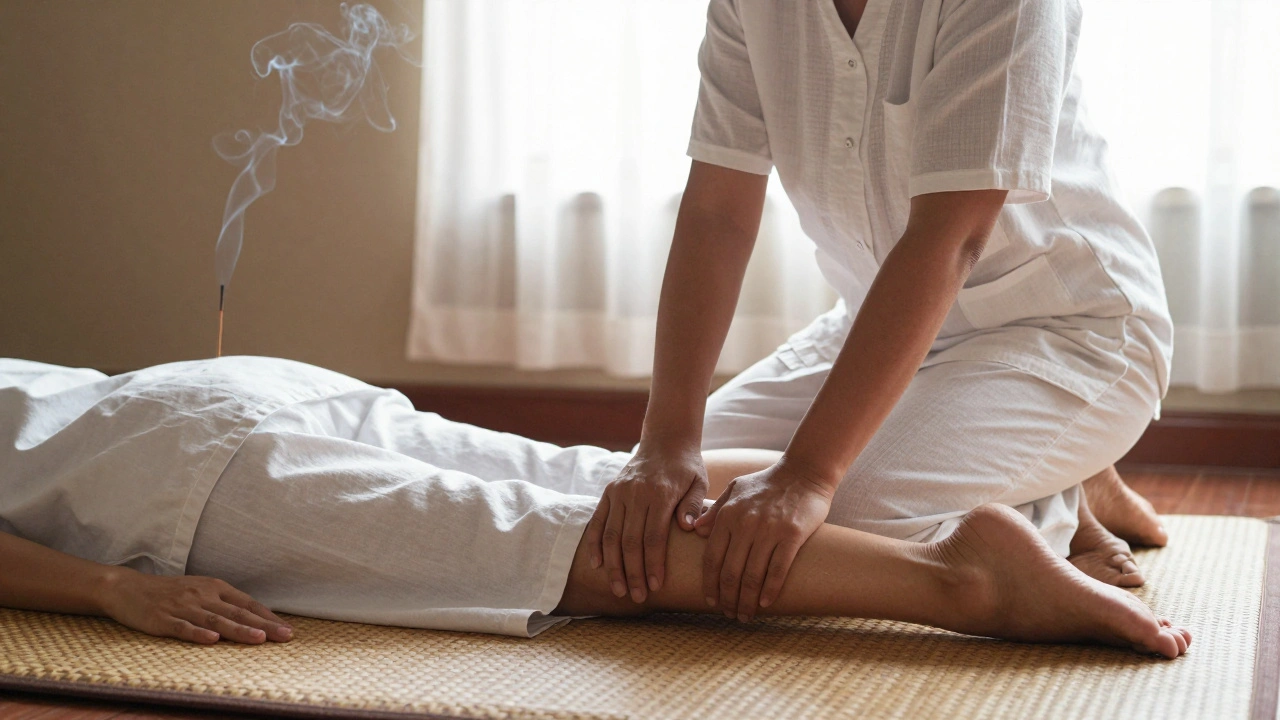
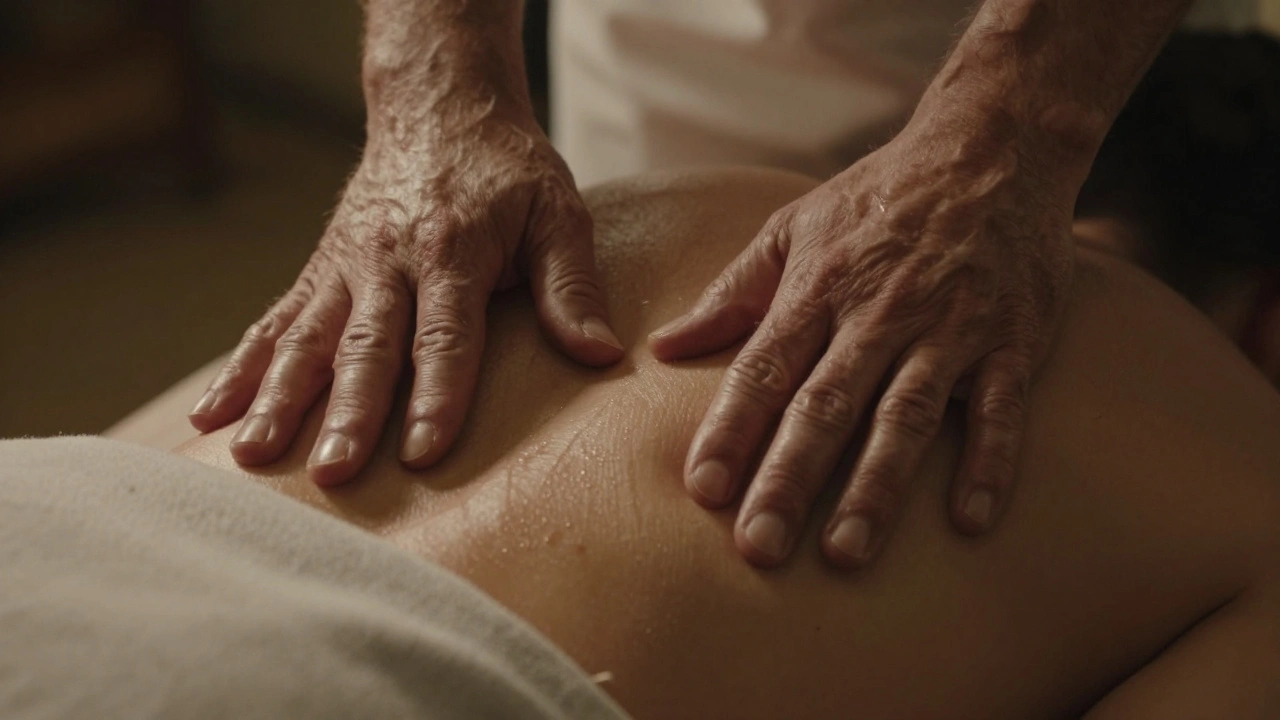
You’ll typically lie on a thick mat on the floor, not a massage table. The room is warm, quiet, and dimly lit. No music is blaring-just soft sounds or silence. You’ll be given loose cotton pants and a top to wear. The therapist will wash their hands, light incense if they use it, and sit quietly for a moment to center themselves. This isn’t a rushed spa experience. It’s a ritual.
Key Processes or Steps
A session usually lasts 60 to 90 minutes. It starts with gentle pressure on the feet and legs, then moves upward. The therapist will guide your arms into overhead stretches, rotate your hips, bend your spine gently, and use their body weight to press along your back and shoulders. You’ll be asked to breathe deeply-this isn’t optional. Breathing helps you relax into the stretches. You won’t be twisted into impossible poses. Everything is done within your comfort zone.
Customization Options
Thai massage is highly adaptable. If you have a knee injury, the therapist will avoid deep hip work. If you’re pregnant, they’ll use modified positions. If you’re very stiff, they’ll start slow and use props like bolsters. Good therapists ask questions upfront: “Do you have any areas that are especially tight?” “Do you prefer lighter or deeper pressure?” This isn’t a one-size-fits-all routine.
Communication and Preparation
Speak up. If something hurts too much, say so. Thai massage isn’t supposed to be painful-it should feel like a deep, satisfying release. Drink water afterward. Avoid heavy meals before. Wear something you can move in. And don’t expect to be silent-talking is fine. Some people chat; others close their eyes. Do what feels right.
How to Practice or Apply Thai Massage
Setting Up for Success
If you’re trying self-massage techniques at home, clear a quiet space. Use a yoga mat or thick towel. Have a pillow or rolled towel nearby for support. Keep water handy. The key is comfort-no distractions, no rush.
Choosing the Right Practitioners
Look for someone trained in traditional Thai massage, not just someone who calls themselves a “massage therapist.” Check if they’ve studied at a recognized school in Thailand, like Wat Pho in Bangkok. Ask about their training hours-anything under 200 hours is likely superficial. A good practitioner will explain what they’re doing and why.
Step-by-Step Guide for Self-Massage
You can’t replicate a full Thai session alone, but you can mimic parts of it:
- Start with your feet: Roll a tennis ball under each foot for 2 minutes.
- Use a strap or towel to gently pull one leg toward your chest while lying down-hold for 30 seconds.
- Sit on the floor, bend one knee, and twist your torso gently toward it. Breathe into the stretch.
- Use your thumbs to press along the inside of your upper arms, moving from shoulder to elbow.
- End with 5 minutes of deep breathing.
Do this 2-3 times a week. It won’t replace a professional session, but it’ll keep you moving.
Tips for Beginners or Couples
First-timers often worry about being “too stiff.” Don’t. Thai massage is designed for people who can’t touch their toes. Couples can try gentle partner stretches-hold hands, slowly lean back together, and breathe. It’s not about performance. It’s about connection.
FAQ: Common Questions About Thai Massage
What to expect from Thai massage?
You’ll be fully clothed and lie on a mat while the therapist uses their hands, elbows, and feet to apply pressure and guide you through stretches. It’s not relaxing in the way a spa massage is-it’s more active, like a guided yoga session. You might feel some discomfort, but it should never be sharp or painful. Afterward, you’ll feel loose, grounded, and sometimes a little sore-like after a good workout. Many people feel taller and lighter.
What happens during Thai massage?
A session follows a sequence: starting at the feet, moving up the legs, then hips, back, arms, shoulders, and neck. The therapist uses rhythmic compression along energy lines and passive stretching to improve mobility. You’re not doing the work-you’re letting your body be moved. Breathing is encouraged. The session ends with gentle pressure on the head and a moment of stillness. It typically lasts 60-90 minutes.
How does Thai massage differ from deep tissue massage?
Deep tissue massage uses focused pressure to break down knots in muscles, often with oils and direct skin contact. Thai massage uses compression and stretching while you’re clothed, targeting energy lines and joint mobility. Deep tissue is about releasing tension; Thai massage is about restoring movement. One feels like a deep repair job; the other feels like your body is being gently reassembled.
What is the method of Thai massage?
The method combines acupressure, assisted yoga poses, and rhythmic compression along sen energy lines. The therapist uses their entire body-hands, thumbs, forearms, elbows, knees, and feet-to apply pressure and guide your limbs through stretches. No oils are used. You remain clothed. The pace is slow and intentional, allowing your nervous system to relax into each movement. The goal is to release blockages and restore natural flow.
Safety and Ethical Considerations
Choosing Qualified Practitioners
Not everyone who calls themselves a Thai massage therapist has proper training. Look for certifications from schools in Thailand, like Wat Pho or the Traditional Thai Massage School in Chiang Mai. In the UK, check if they’re registered with the Complementary and Natural Healthcare Council (CNHC). Ask how many hours of training they’ve completed-200+ hours is the standard for authentic practice.
Safety Practices
Hygiene matters. The mat should be clean. The therapist should wash their hands before and after. You should feel comfortable asking for a clean towel or new sheet. Consent is key-you can say no to any movement at any time.
| Practice | Purpose | Example |
|---|---|---|
| Communicate pain levels | Prevent injury | Say “That’s too deep” if it hurts |
| Stay hydrated | Help flush toxins | Drink water before and after |
| Avoid right after meals | Prevent discomfort | Wait 2 hours after eating |
Setting Boundaries
You are in control. If you don’t want your hips stretched, say so. If you’re uncomfortable with elbow pressure, ask for hands only. A good therapist will pause, adjust, and never pressure you. This isn’t a performance-it’s your healing.
Contraindications or Risks
Thai massage isn’t safe for everyone. Avoid it if you have: recent fractures, severe osteoporosis, blood clots, open wounds, or are in the first trimester of pregnancy without clearance. If you have heart conditions, diabetes, or nerve damage, talk to your doctor first. Always disclose your full medical history.
Enhancing Your Experience with Thai Massage
Adding Complementary Practices
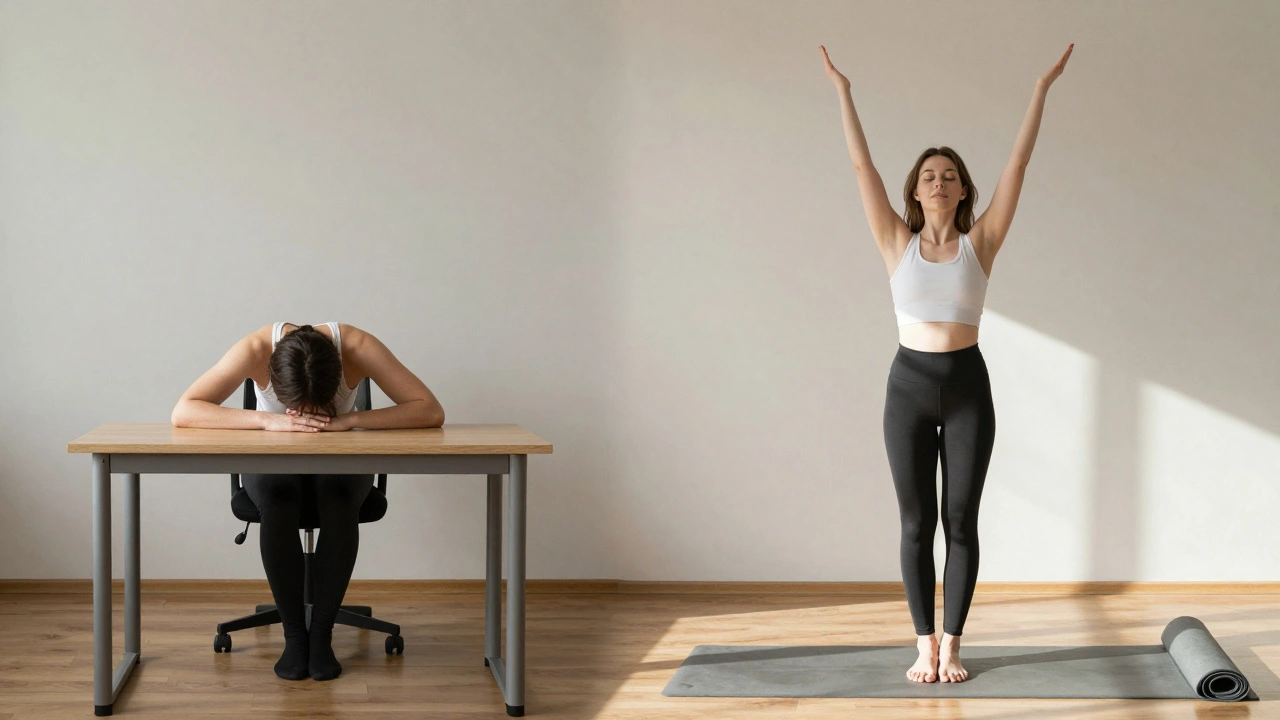
Pair Thai massage with daily stretching, walking, or breathwork. Even 10 minutes of yoga in the morning helps your body hold the benefits longer. Meditation after a session deepens the calm. Hydration and sleep are non-negotiable-they help your body integrate the changes.
Collaborative or Solo Engagement
Thai massage is best received from a trained practitioner. But you can practice gentle self-massage techniques daily. Partner stretches with a loved one can also build connection. Just keep it slow, gentle, and respectful.
Using Tools or Props
A foam roller, yoga strap, or massage ball can help you mimic Thai techniques at home. Use them to roll out tight calves, hips, or upper back. But remember-tools can’t replace the intuition of a skilled therapist.
Regular Engagement for Benefits
One session helps. Regular sessions transform. For chronic pain or stiffness, aim for once every 2-4 weeks. Athletes might go weekly. Even monthly sessions keep your body moving freely. Think of it like brushing your teeth-not a luxury, but maintenance.
Finding Resources or Experts for Thai Massage
Researching Qualified Practitioners
Look for reviews on Google or Trustpilot that mention “Thai massage” specifically. Ask about their training. Don’t be afraid to call and ask questions. A good therapist will welcome them.
Online Guides and Communities
Check out the Thai Healing Alliance International website for certified practitioners worldwide. YouTube has excellent beginner tutorials on self-massage techniques. Join Facebook groups like “Thai Massage Enthusiasts” to ask questions and share experiences.
Legal or Cultural Considerations
Thai massage is protected as intangible cultural heritage by UNESCO. Respect its roots. Avoid calling it “Thai yoga massage” unless the therapist uses that term-it’s a modern branding twist. Support authentic practitioners who honor the tradition.
Resources for Continued Learning
Books like Thai Massage: The Ancient Art of Healing by Boonchu S. Klaikangwon offer deep insight. Online courses from Wat Pho’s official school provide structured learning. If you’re serious, consider a short course in Thailand.
Conclusion: Why Thai Massage is Worth Exploring
A Path to Freedom of Movement
Thai massage isn’t just about pain relief-it’s about reclaiming your body’s natural ability to move. If you’ve ever felt like your body is holding onto old tension, this practice gives you a gentle way to let go. It’s not quick. But it’s lasting.
Try It Mindfully
Start with one session. Don’t go in with expectations. Just let your body be moved. If it feels right, come back. If not, try something else. There’s no right way to heal-only what works for you.
Share Your Journey
Tried Thai massage? Share your experience in the comments-what changed for you? Follow this blog for more practical wellness tips that actually work. Explore Thai massage and let us know how it goes.
Some links may be affiliate links, but all recommendations are based on research and quality.
Word count: 1,712
Suggested Images
- A therapist in traditional Thai attire gently stretching a client’s leg on a floor mat
- Close-up of hands applying pressure along the spine during a Thai massage session
- Client lying on a mat, fully clothed in loose cotton, eyes closed, looking relaxed
- Before-and-after comparison: person struggling to touch toes vs. smiling after Thai massage
- Traditional Thai massage school in Chiang Mai, showing students learning the technique
Suggested Tables
- Comparison of Thai Massage with Other Bodywork Techniques
- Key Benefits of Thai Massage for Flexibility and Pain Relief
- Thai Massage Safety Tips