Tantric Massage: A Pathway to Inner Peace and Harmony
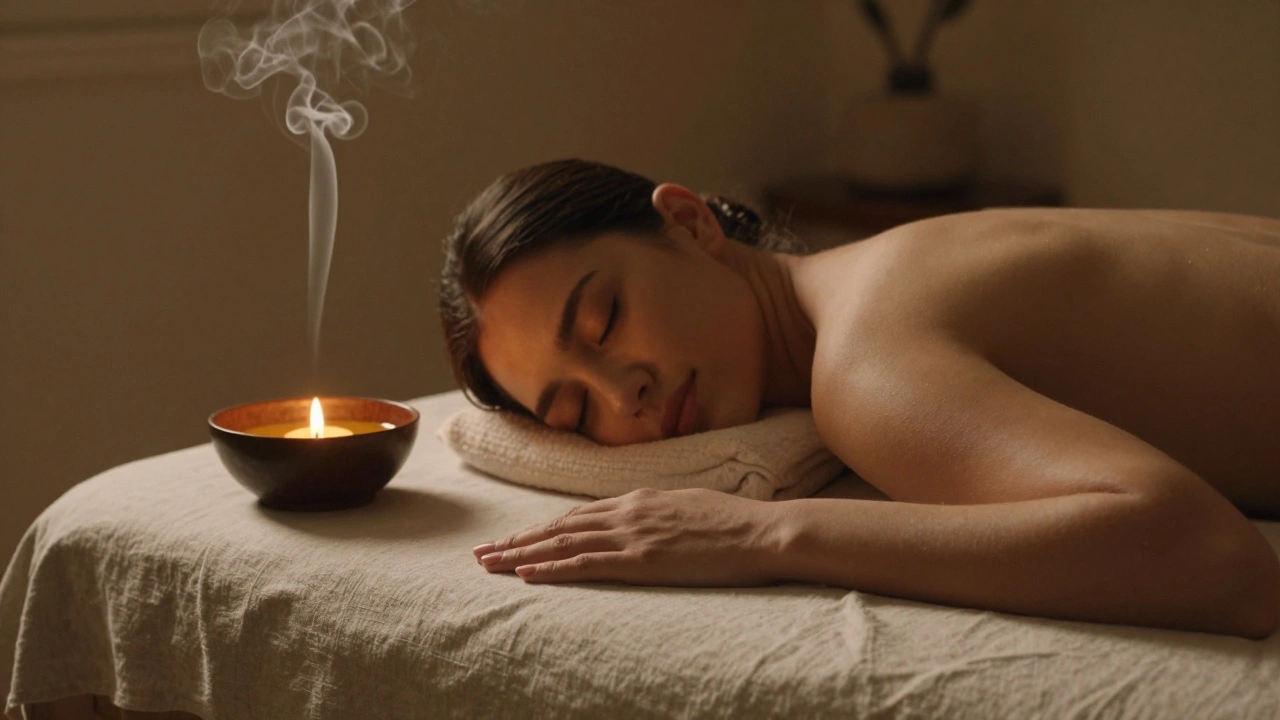
Tantric massage is not about sex. It’s about presence. It’s about slowing down enough to feel your breath, notice the warmth of skin, and reconnect with your body in a way that feels safe, sacred, and deeply calming. Unlike a typical spa massage that focuses on muscle relief, tantric massage is an intentional practice rooted in ancient Eastern traditions - blending touch, breath, and awareness to awaken energy, release tension, and foster emotional harmony. If you’ve ever felt disconnected from your own body, or if you’re looking for a way to deepen intimacy without pressure, tantric massage might be exactly what you didn’t know you needed.
Understanding the Basics of Tantric Massage
Origins and History
Tantric massage traces its roots to Tantric philosophy, which emerged over 1,500 years ago in India. Tantra isn’t about wild sexual rituals - as pop culture often misrepresents - but about harnessing life energy (called prana or shakti) to reach higher states of awareness. The practice was traditionally passed down through spiritual lineages, where touch was used as a tool for meditation, not arousal. Over time, as these teachings traveled to the West in the 20th century, they blended with Western therapeutic touch, giving rise to what we now call tantric massage. Today, it’s practiced globally as a holistic wellness modality, stripped of dogma and focused on mindful connection.Core Principles or Components
At its heart, tantric massage rests on three pillars: breath, presence, and energy flow. The practitioner moves slowly, using long, flowing strokes rather than deep pressure. The goal isn’t to fix anything - it’s to help you feel everything. Sensations are amplified through intentional breathing, eye contact, and silence. Oil or lotion is used not just for glide, but as a sensory anchor. The body is treated as a map of energy, not just muscle. Areas like the spine, feet, hands, and abdomen are often included not because they’re “problem zones,” but because they’re rich in nerve endings and energy centers (chakras). The massage is non-goal-oriented - no orgasm, no climax, no endpoint. Just being.How It Differs from Related Practices
| Practice | Key Feature | Primary Benefit |
|---|---|---|
| Tantric Massage | Slow, mindful touch with breath awareness | Emotional release and energy balance |
| Swedish Massage | Structured strokes for muscle relaxation | Physical tension relief |
| Erotic Massage | Focused on sexual stimulation | Sexual arousal or pleasure |
| Shiatsu | Pressure on meridian points | Energy flow regulation |
Who Can Benefit from Tantric Massage?
Almost anyone. People dealing with chronic stress, anxiety, or emotional numbness often find tantric massage helps them reconnect. Survivors of trauma may benefit from its emphasis on consent and boundaries. Couples seeking to deepen non-sexual intimacy use it to rebuild trust and presence. Even those who feel disconnected from their bodies - whether from long hours at a desk, past injuries, or emotional suppression - can find healing in its gentle, non-invasive approach. It’s not for everyone, but for those open to slowing down, it can be transformative.Benefits of Tantric Massage for Body and Mind
Stress Reduction
Tantric massage activates the parasympathetic nervous system - the part of your body responsible for rest and recovery. When your nervous system shifts from ‘fight-or-flight’ to ‘rest-and-digest,’ cortisol levels drop, heart rate slows, and muscles relax. A 2021 study from the National Institutes of Health found that slow, rhythmic touch significantly lowered stress markers in participants within just 30 minutes. Tantric massage doesn’t just relax your muscles - it resets your entire nervous system. Many describe it as feeling like a deep exhale they didn’t know they’d been holding.Enhanced Body Awareness
Most of us live in our heads - scrolling, planning, worrying. Tantric massage pulls you back into your skin. The slow, deliberate strokes help you notice sensations you’ve ignored: the warmth of your palm, the pulse in your ankle, the way your breath catches when touched. This heightened awareness doesn’t just feel good - it helps you recognize early signs of tension, pain, or emotional discomfort before they escalate. People who practice regularly often report better posture, improved sleep, and fewer headaches simply because they’re listening to their bodies again.Emotional Well-Being
Emotions are stored in the body. Unresolved grief, shame, or fear can manifest as tight shoulders, clenched jaws, or chronic fatigue. Tantric massage creates a safe space for these emotions to surface - without judgment. Tears, laughter, or silence during a session aren’t signs of failure; they’re signs of release. Many clients describe feeling lighter afterward, as if a weight they didn’t realize they were carrying has been gently lifted. It’s not therapy, but it often feels like emotional medicine.Practical Applications
| Benefit | Description | Impact |
|---|---|---|
| Improved Sleep | Calms the nervous system before bedtime | Faster sleep onset, fewer nighttime awakenings |
| Deeper Intimacy | Builds trust through non-sexual touch | Stronger emotional bonds with partners |
| Reduced Anxiety | Slows racing thoughts through mindful presence | Lower daily stress levels |
| Increased Energy | Releases blocked energy flow | More vitality, less fatigue |
What to Expect When Engaging with Tantric Massage
Setting or Context
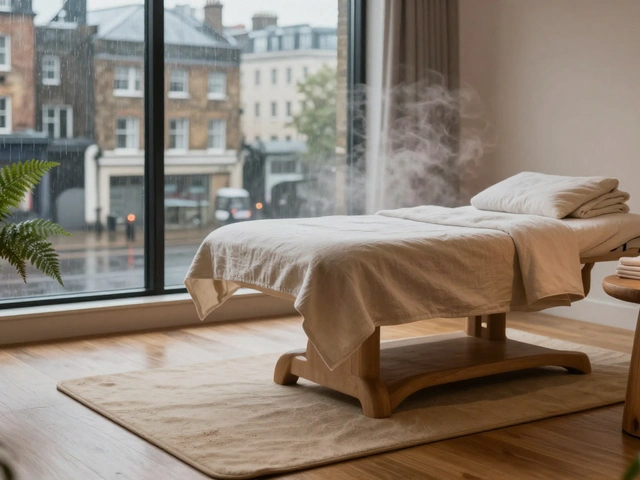
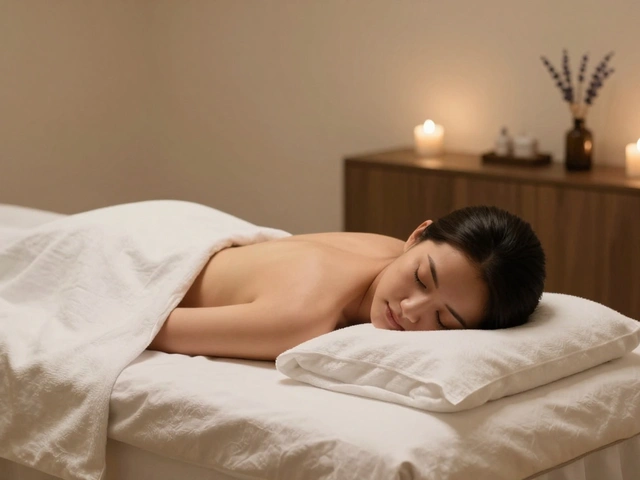
A tantric massage session usually takes place in a quiet, dimly lit room with soft music or silence. The space smells faintly of lavender or sandalwood. The massage table is warm, covered with soft linens. There’s no clock. No phone. No expectations. You’re asked to arrive 10-15 minutes early to settle in - perhaps with a cup of herbal tea. The practitioner may offer a brief introduction, explaining boundaries and consent. You’ll undress privately and cover yourself with a towel. The massage begins with gentle touch on the back, feet, or hands - never the genitals unless explicitly agreed upon in advance.Key Processes or Steps
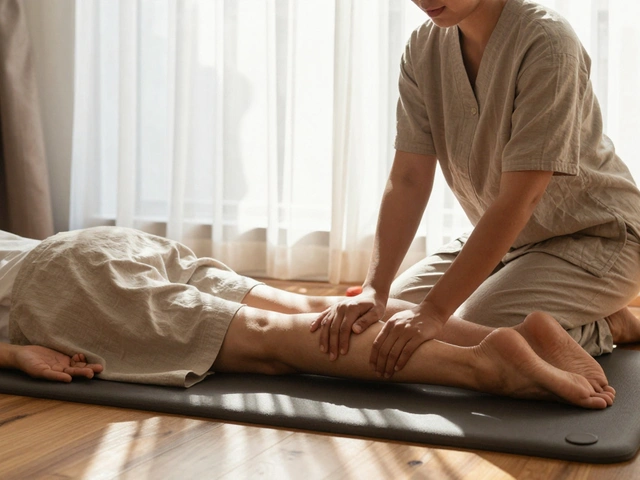
A typical session lasts 60-90 minutes. It starts with grounding - the practitioner may guide you through three slow breaths. Then, they begin with long, flowing strokes using warm oil. The touch is never rushed. There are pauses - moments where you’re simply asked to notice how your body feels. The practitioner might gently hold your hand or place a hand on your heart, not to fix, but to witness. The energy moves slowly from the feet up the spine, then to the arms, shoulders, and head. If you feel emotional, they won’t interrupt - they’ll stay present. The session ends with stillness. You’re given time to re-dress slowly. No rush. No goodbye. Just a quiet acknowledgment of the experience.Customization Options
Tantric massage isn’t one-size-fits-all. Some people want total silence. Others prefer soft spoken guidance. Some want longer sessions on the back; others need extra attention on the abdomen. A skilled practitioner will adjust rhythm, pressure, and focus based on your cues. If you’re a beginner, they’ll go slower. If you’re experienced, they might introduce breathwork or energy visualization. It’s not about following a script - it’s about following you.Communication and Preparation
Before your session, you’ll be asked about your goals, boundaries, and any physical or emotional concerns. This isn’t just a formality - it’s essential. You have the right to say no to any touch, at any time. You can ask for more pressure, less oil, or to stop entirely. The practitioner’s job isn’t to please you - it’s to hold space for you. Come prepared to be vulnerable. Leave prepared to feel seen.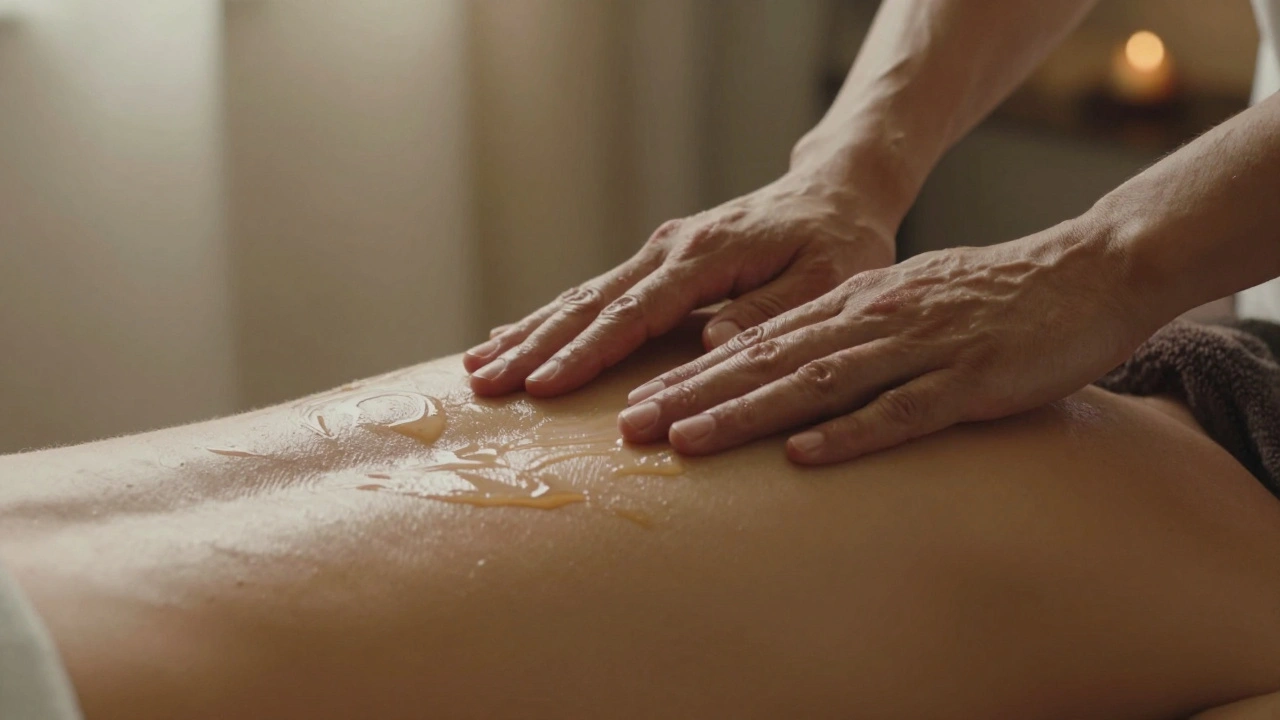
How to Practice or Apply Tantric Massage
Setting Up for Success
If you’re trying tantric massage at home - whether with a partner or solo - create a sacred space. Dim the lights. Light a candle. Play ambient sounds or nothing at all. Use a massage oil with natural ingredients like coconut, almond, or jojoba. Have clean towels ready. Remove distractions - phones, TVs, pets. This isn’t a chore to check off. It’s a ritual. Treat it like you’re preparing for a meditation.Choosing the Right Tools/Resources
If you’re seeking a professional, look for someone trained in tantric or sensual therapy, not just massage. Certifications from organizations like the International School of Tantric Massage or the Tantra Institute can signal experience. Read reviews carefully - look for mentions of safety, boundaries, and emotional support. Avoid practitioners who push sexual outcomes or use aggressive sales tactics. Trust your gut. If it feels transactional, it probably is.Step-by-Step Guide
- Set the mood: Create a calm, warm environment.
- Begin with breath: Take three slow inhales and exhales together.
- Start with the feet: Use slow, circular strokes with warm oil.
- Move up the legs, then spine - no rush.
- Pause often. Let silence speak.
- End with hands on the heart or belly - just holding.
- Stay still for five minutes after. Don’t rush to move.
Tips for Beginners or Couples
If you’re doing this with a partner, start with 20-minute sessions. Focus on touch, not technique. Don’t try to recreate a professional session - that’s not the point. Use oil. Breathe together. Look into each other’s eyes occasionally. If you feel awkward, that’s normal. Laughter helps. The goal isn’t performance - it’s connection. And if you’re doing it alone? That’s okay too. Solo tantric massage is powerful. It teaches you how to hold yourself with kindness.FAQ: Common Questions About Tantric Massage
What to expect from tantric massage?
You can expect slow, intentional touch that feels more like a meditation than a massage. There’s no pressure to perform, orgasm, or even relax. Some people cry. Others laugh. Some fall asleep. All are normal. The practitioner will check in with you quietly, respecting your boundaries at every step. You’ll likely feel deeply calm afterward - not just physically, but emotionally. Many describe it as feeling “reborn” for a few hours after. It’s not magic - it’s presence.What happens during a tantric massage session?
A session typically begins with a quiet conversation about your needs. You’ll undress and cover yourself. The practitioner uses warm oil and long, gliding strokes, starting from the feet and moving upward. They may hold your hand, rest a hand on your heart, or guide your breath. Touch is never invasive unless agreed upon. There are long pauses. Silence is part of the process. The session ends with stillness - you’re given time to come back to yourself before dressing. No rushed goodbyes. No expectations.How does tantric massage differ from erotic massage?
The biggest difference is intention. Erotic massage aims for sexual arousal or release. Tantric massage aims for awareness. In tantric massage, genital touch - if included at all - is rare, slow, and never the goal. It’s treated like any other part of the body: with respect, not stimulation. The focus is on energy, not orgasm. Many people are surprised to find they feel more connected - and less pressured - in a tantric session than in an erotic one.What is the method of tantric massage?
The method is simple: slow touch + conscious breath + deep presence. Practitioners use long, flowing strokes with warm oil, moving from the extremities toward the core. They avoid deep pressure or kneading. Instead, they use weight, not force. Pauses are built in. Eye contact may occur. Silence is honored. The body is seen as a vessel of energy, not a problem to fix. The technique is less about what they do - and more about how they’re with you.Safety and Ethical Considerations
Choosing Qualified Practitioners/Resources
Not everyone offering “tantric massage” is trained. Look for practitioners with certifications from reputable institutions like the Tantric Healing Institute or the School of Sacred Touch. Ask about their training, experience, and ethical guidelines. A good practitioner will have clear boundaries, respect confidentiality, and never pressure you. If they talk more about sex than presence, walk away.Safety Practices
| Practice | Purpose | Example |
|---|---|---|
| Consent at every step | Ensures autonomy and safety | “Is this okay?” before changing touch |
| Hygiene standards | Prevents infection | Clean linens, fresh oil, washed hands |
| No sexual contact | Maintains therapeutic boundary | Genital touch only if explicitly agreed upon |
Setting Boundaries
You have the right to say “no” - even mid-session. You can ask for less pressure, a different touch, or to stop entirely. A skilled practitioner will thank you for speaking up. Boundaries aren’t a barrier - they’re the foundation of trust. If you’ve experienced trauma, let the practitioner know. They’ll adjust accordingly.Contraindications or Risks
Tantric massage is generally safe, but it’s not for everyone. Avoid it if you’re in acute pain, have an open wound, or are recovering from surgery. If you have a history of sexual trauma, work only with a trauma-informed practitioner. Those with severe mental health conditions like psychosis should consult a doctor first. It’s not a substitute for therapy - but it can be a powerful complement.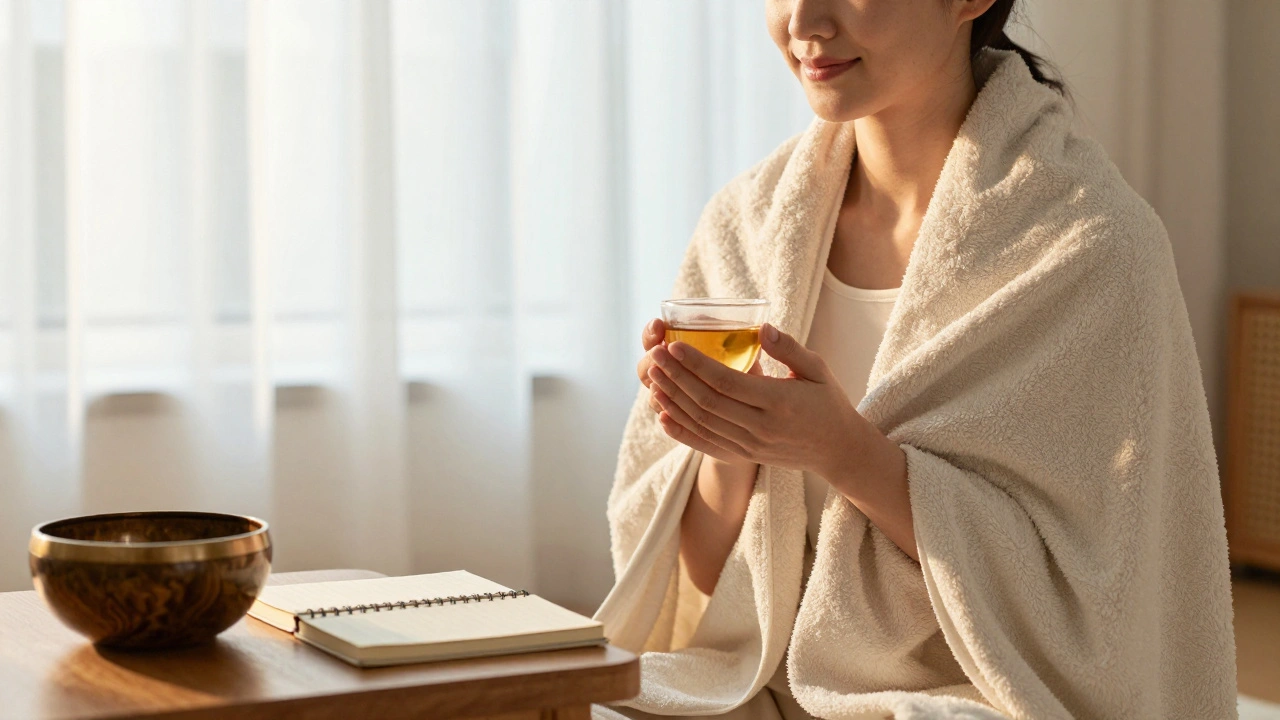
Enhancing Your Experience with Tantric Massage
Adding Complementary Practices
Pair tantric massage with breathwork, journaling, or quiet walks. After a session, write down how you felt - physically and emotionally. Try meditating for five minutes before or after. These practices deepen the effects. You don’t need to do anything fancy. Just stay present.Collaborative or Solo Engagement
You can do tantric massage alone or with a partner. Solo sessions help you reconnect with yourself. Partner sessions help you reconnect with someone else. Both are valid. Don’t feel pressured to share the experience. Your journey is yours.Using Tools or Props
A warm blanket, a silk eye mask, or a small bowl of warm oil can enhance the experience. A singing bowl or soft chime can mark the beginning and end. But none are required. The most important tool is your attention.Regular Engagement for Benefits
Like meditation, the more you do it, the deeper it goes. Try one session a month. Notice how your body changes. You might find yourself breathing deeper during the day. Sleeping better. Feeling less reactive. These aren’t quick fixes - they’re quiet transformations.Finding Resources or Experts for Tantric Massage
Researching Qualified Practitioners
Check directories like the Tantric Healing Institute’s practitioner list or local wellness centers. Read reviews for mentions of safety, professionalism, and emotional support. Avoid anyone who uses vague terms like “energy healing” without explaining their training.Online Guides and Communities
Websites like TantricPath.com and SacredTouch.org offer free guides and video demos. Online communities on Reddit (r/Tantra) or Facebook groups are full of real experiences - but be cautious. Not all advice is safe. Stick to sources that emphasize consent and ethics.Legal or Cultural Considerations
In some countries, tantric massage is regulated as a therapeutic service. In others, it exists in a legal gray area. Always confirm local laws. In the U.S. and Canada, it’s generally legal if no sexual activity occurs. In Europe, regulations vary by country. When in doubt, choose licensed massage therapists who offer tantric techniques as part of their practice.Resources for Continued Learning
Books like The Art of Tantric Massage by Margot Anand and Tantra: The Cult of the Feminine by David Frawley offer thoughtful introductions. YouTube channels like “Sacred Touch” provide guided demos. Workshops are available in major cities - often led by certified teachers.Conclusion: Why Tantric Massage is Worth Exploring
A Path to Inner Peace
Tantric massage doesn’t promise enlightenment. But it does offer a rare gift: the chance to be fully present in your body, without judgment. In a world that’s always rushing, it reminds you that stillness is a form of healing.Try It Mindfully
If you’re curious, start small. Book a session. Or try a 10-minute solo massage at home. Let it be simple. Let it be slow. Let it be yours.Share Your Journey
Tried tantric massage? Share your experience in the comments. Follow this blog for more mindful practices. Explore this path - not to fix yourself, but to finally feel at home in your own skin.Some links may be affiliate links, but all recommendations are based on research and quality.
Word count: 1,742
Suggested Visuals
- A serene, dimly lit room with a massage table, soft lighting, and a candle
- Hands gently massaging a back with warm oil, blurred background
- A person lying peacefully on a massage table, eyes closed, covered with a soft towel
- A couple sitting quietly together after a session, sipping tea
- A close-up of warm oil being poured slowly into a palm
Suggested Tables
- Comparison of Tantric Massage vs. Other Massage Types
- Key Benefits of Tantric Massage
- Tantric Massage Safety Tips