Thai Massage in London: A Gateway to Relaxation
Thai Massage in London: Your Comprehensive Guide
If you walk down any street in central London, the energy can feel relentless. From the Underground trains to the busy commuters, the city never seems to slow down. That is exactly why Thai massage in London has become such a popular refuge for residents and visitors alike. Unlike traditional massages where you lie passively under sheets, this ancient practice is active, engaging, and deeply restorative. Think of it less like a spa treatment and more like 'passive yoga' for your entire nervous system.
In this guide, we explore everything you need to know to navigate this landscape. We cover the history of the practice, what actually happens during a session, and how to ensure you get the best experience possible in one of the busiest cities in the world. Whether you have chronic back pain or simply need a break from the grind, understanding this modality helps you choose the right path forward for your wellness journey.
Understanding the Basics of Thai Massage
Origins and History
The roots of this therapy trace back over 2,500 years to India before being adapted and refined in Thailand. It was traditionally known as "Nuad Boran," meaning ancient massage. Monks were often the original practitioners, combining medical acupressure with yoga postures. When you book a session in modern London, you are accessing a lineage that has survived centuries of cultural evolution. It is a heritage that blends Ayurvedic philosophy with Thai culture’s unique perspective on health and energy flow.
The transmission of this skill relied heavily on master-to-disciple training, ensuring the techniques remained precise over generations. In recent decades, as global travel increased, specialized schools opened, bringing certified Thai massage courses to Europe. Today, many therapists in London hold qualifications from recognized bodies in Thailand, ensuring they understand the traditional lines of energy rather than just random stretching.
Core Principles and Components
Thai Massage operates on the belief that the body has energy lines called 'Sen' lines. When these lines are blocked, pain or illness occurs. The therapist uses their hands, knees, legs, and feet to move your body into different yoga-like positions. There is no oil used; the client remains fully clothed. This lack of oil allows the practitioner to grip limbs and apply leverage without slipping.
The core components include:
- Palm Pressure: Rhythmic pressing along energy lines.
- Stretching: Assisted stretches to improve flexibility.
- Joint Mobilization: Gentle movements to realign joints.
- Reflexology: Pressure points in the feet that link to other organs.
This combination creates a deep release that goes beyond surface-level muscle work. It addresses structural tension caused by sitting in desks or commuting for hours.
How It Differs from Related Practices
Many people confuse this with Swedish or Deep Tissue massage. In Swedish massage, the therapist rubs muscles through oils, often working on the superficial layers. In Deep Tissue, the focus is on chronic muscle tension using friction. Thai massage is distinct because it involves movement of the body itself.
| Feature | Thai Massage | Swedish Massage | Deep Tissue |
|---|---|---|---|
| Clothing | Fully Clothed | Undressed | Undressed |
| Oil Used? | No | Yes | Yes/Lotion |
| Movement | Active/Yoga | Passive | Passive |
| Focus Area | Energy Lines | Muscles/Circulation | Fascia/Muscle |
Understanding this distinction is vital for your expectations. If you hate being oily or exposed, Thai massage is likely the better option for your comfort.
Who Can Benefit from This Practice?
This therapy is surprisingly versatile. While it is great for office workers stiffened by posture, it also helps athletes who need flexibility. The physical effort required by the therapist means they can adjust the pressure based on your feedback. It suits individuals who want a holistic treatment that covers the spine, hips, and shoulders simultaneously.
Benefits of Thai Massage for Body and Mind
Stress Reduction
One of the most immediate benefits reported by clients is the reduction of stress hormones. The rhythmic nature of the strokes and the stretching sequences stimulate the parasympathetic nervous system. This is the part of your brain responsible for 'rest and digest.' When you sit in a meeting all day, your system stays in 'fight or flight' mode. This session forces a physiological switch to relax.
Enhanced Functionality and Mobility
Beyond feeling calm, you physically function better. Regular sessions improve range of motion. Many people notice they can reach further or squat lower after a few appointments. It essentially performs preventative maintenance on your skeletal structure. By lengthening tight muscles, you reduce the risk of injury during daily activities or sports.
Emotional Well-Being
Holding onto physical tension often correlates with emotional holding patterns. As the therapist releases physical knots, clients often report a lightening of mood. While the treatment is somatic (body-focused), the psychological release is frequent. It provides a dedicated hour to disconnect from digital screens and social obligations.
Practical Applications
You might feel tired immediately after, similar to post-yoga fatigue. This is normal as the body integrates the changes. Drinking water is crucial afterward to flush out metabolic waste released from the tissues.
| Benefit Category | Description | Impact |
|---|---|---|
| Physical | Flexibility and alignment | Better mobility |
| Mental | Mindfulness induction | Reduced anxiety |
| Spiritual | Energy balance | Grounded feeling |
What to Expect When Engaging with Thai Massage
Setting and Context
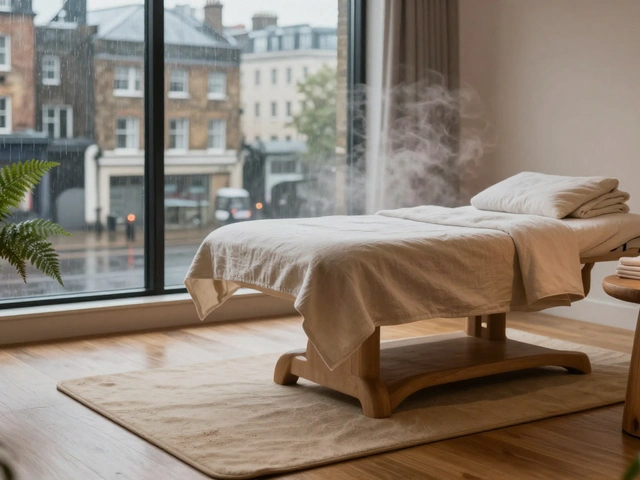
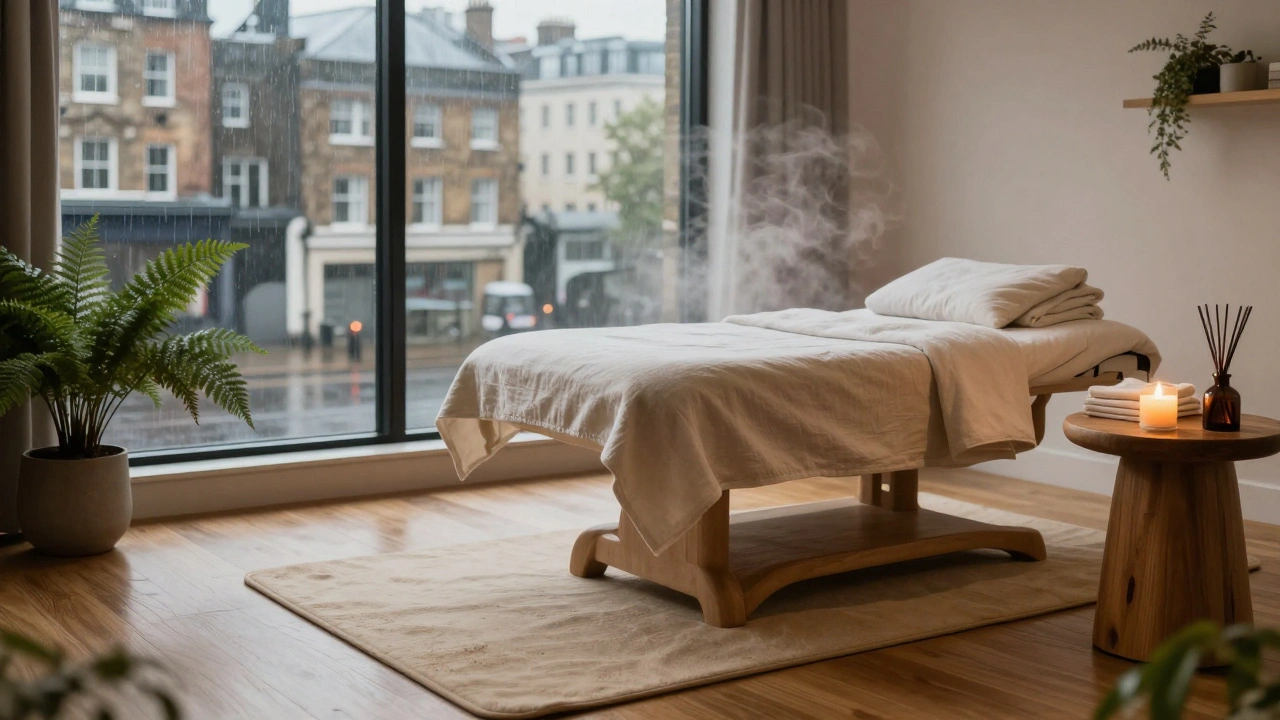
In London, the setting ranges from private clinics tucked away in residential neighborhoods to upscale spa salons in luxury hotels. The room is usually quiet, softly lit, and warm. You will typically change into loose, comfortable clothing provided by the establishment. This eliminates the awkwardness of undressing entirely. The floor mat is thick enough to provide cushioning while allowing the therapist to move easily around you.
Key Processes and Steps
A typical session lasts 60 or 90 minutes. It begins with you lying face down. The therapist starts at your feet, applying pressure to reflex points. They then move up your legs, pulling them up and back for hamstring stretches. As the session progresses, you may be flipped over to address the chest and neck area. Towards the end, gentle rocking movements soothe the nervous system.
Communication is key. Because the stretching requires trust, tell the therapist if something feels uncomfortable. The term "pain" is not always productive here, but "pressure" needs to be managed. A good session balances challenge with safety.
Customization Options
Therapists in London often blend styles. Some offer heat stones integrated into the routine, while others focus strictly on the traditional Nuad Boran method. Before starting, discuss any injuries or surgeries. The therapist might modify a leg stretch if you have knee issues. Your input customizes the blueprint of the treatment.
Communication and Preparation
To get the best results, arrive relaxed. Avoid heavy meals beforehand as rolling on the stomach can cause nausea. Clear your schedule for a few hours after to let the effects settle. Hydrate well for 24 hours following the appointment.
How to Practice or Apply the Technique Yourself
Setting Up for Success
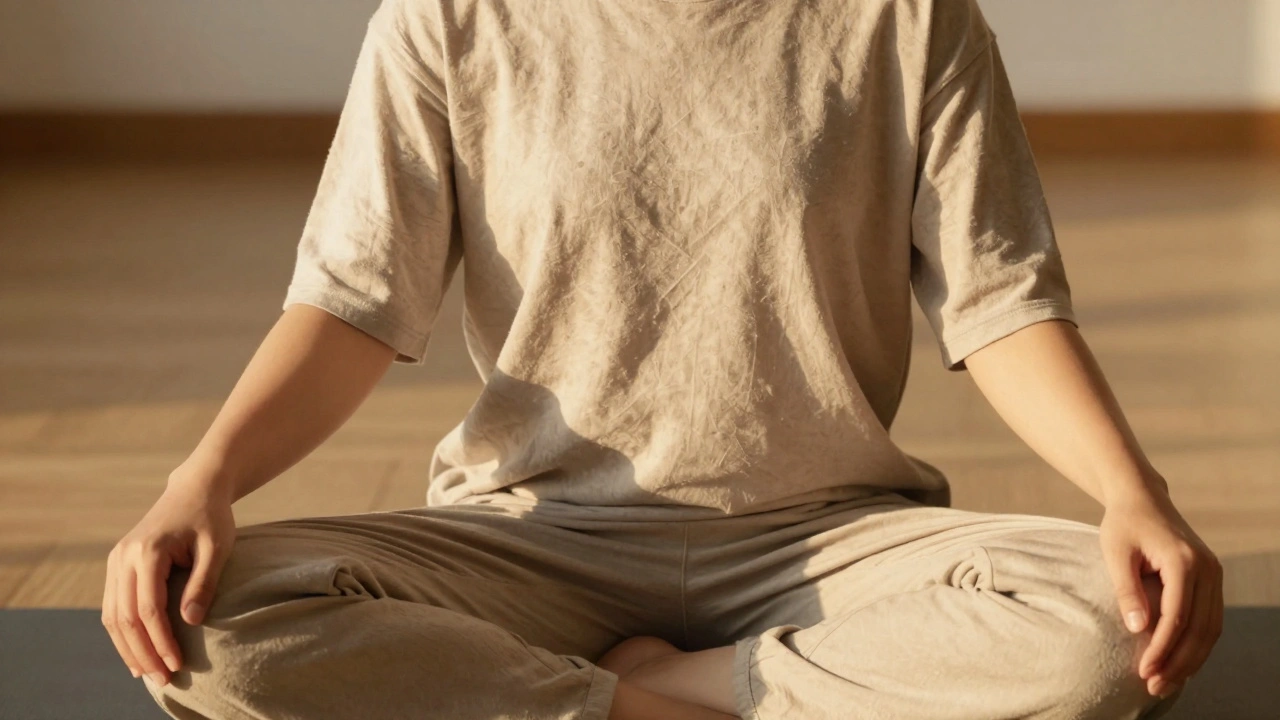
If you wish to practice simple self-care techniques inspired by this modality, find a clear space on the floor. Remove shoes. A yoga mat works perfectly. While you cannot pull your own limbs like a pro, you can apply palm pressure along your forearms or calves.
Choosing the Right Tools and Professionals
When hiring a therapist, look for accreditation. Certifications from UK-based bodies like the CNHC (Complementary and Natural Healthcare Council) indicate safety standards have been met. Ask if they specialize in Thai massage specifically, rather than offering it as an add-on service. Reading reviews can highlight consistency.
Step-by-Step Guide for Beginners
- Book a consultation: Briefly explain your goals (relaxation vs. mobility).
- Discuss limitations: Mention old injuries clearly.
- Arrive early: Allow time to fill out necessary forms.
- During session: Focus on breath and signal pressure levels.
- Post-session: Sit up slowly to avoid dizziness.
Tried this technique? Share your experience in the comments below!
FAQ: Common Questions About Thai Massage
What should I wear to a Thai massage?
You will wear loose clothing provided by the clinic. Usually, sweatpants and a t-shirt or shorts are supplied. You keep your socks off, but you remain fully clothed throughout the entire treatment. Do not bring jewelry as it can get caught during stretching.
Is Thai massage painful?
It should not be sharp or agonizingly painful. Some discomfort arises when tight muscles are stretched, often described as "good pain." Always communicate with the therapist. If you feel sharp shooting pain, stop the movement immediately.
How does Thai massage differ from Shiatsu?
Shiatsu is Japanese and focuses on acupressure points with a patient lying still. Thai massage includes assisted yoga stretching and joint mobilization where the body is moved actively. Both target energy lines, but Thai massage offers a more dynamic workout.
Can I eat before the session?
It is best to wait two hours before your appointment if possible. Heavy eating causes discomfort when rolling onto the stomach or receiving abdominal compression. Light snacks are okay, but avoid alcohol and caffeine right before.
Safety and Ethical Considerations
Choosing Qualified Practitioners
Always verify credentials. In London, reputable spas adhere to strict hygiene standards and employ insured staff. Look for signs of insurance coverage posted in the reception area. This protects both parties in case of injury.
Safety Practices
Hygiene is paramount. Therapists should wash hands before touch. The mats should be sanitized between clients. Discuss boundaries openly-professionalism dictates consent for every position.
| Practice | Purpose | Example |
|---|---|---|
| Verify ID | Ensure Legitimacy | Check Clinic License |
| Report Discomfort | Prevent Injury | Use hand signals |
| Medical Disclosure | Adjust Treatment | Mention recent surgery |
Setting Boundaries
You are in control. No body part must be touched without prior verbal agreement. Professional environments respect personal space even during close-contact maneuvers. If anything feels off, terminate the session politely and leave.
Contraindications and Risks
Pregnant women should seek prenatal-specific massage only. Those with blood clots, broken bones, or high fever should avoid pressure entirely. Recent medical clearance is advised for severe conditions.
Enhancing Your Experience with Thai Massage
Adding Complementary Practices
Combine your visits with meditation or yoga. The mind-body connection strengthens if you continue the mindfulness at home. Daily stretching maintains the gains made during the appointment.
Collaborative Engagement
Some couples offer partner techniques inspired by this style, though for deep therapeutic work, professional training is required. For self-care, simply spending time on your mat breathing deeply supports the healing process.
Using Tools and Props
While a mattress is essential for pros, props like bolsters help if you stretch at home. Never force your joints. Gravity and patience yield better results than aggressive pulling.
Finding Resources or Experts for Thai Massage
Researching Qualified Experts
Search directories for registered massage therapists. Look for memberships in organizations like the Federation of Holistic Therapists (FHT). Check Google Reviews consistently, noting comments on professionalism and atmosphere.
Online Guides and Communities
Wellness forums offer support for scheduling regular treatments. Learning the names of major meridians can deepen your appreciation when discussing preferences with your provider.
Conclusion: Why Thai Massage is Worth Exploring
A Path to True Relaxation
Exploring this modality offers a reset button for your life in the city. It connects the mind to the body, offering tangible relief from the strain of modern living.
Try It Mindfully
Approach your first session with curiosity. Listen to your body's responses. Treat it as an investment in your long-term health rather than a luxury expense.
Share Your Journey
Have you tried a session recently? Let us know how it went! Explore this path to relaxation and discover what your body truly needs. Follow my blog for more tips on finding the right wellness services in London.
Note: Some links may be affiliate links, but all recommendations are based on research and quality. Consult a healthcare provider before starting new therapies.